

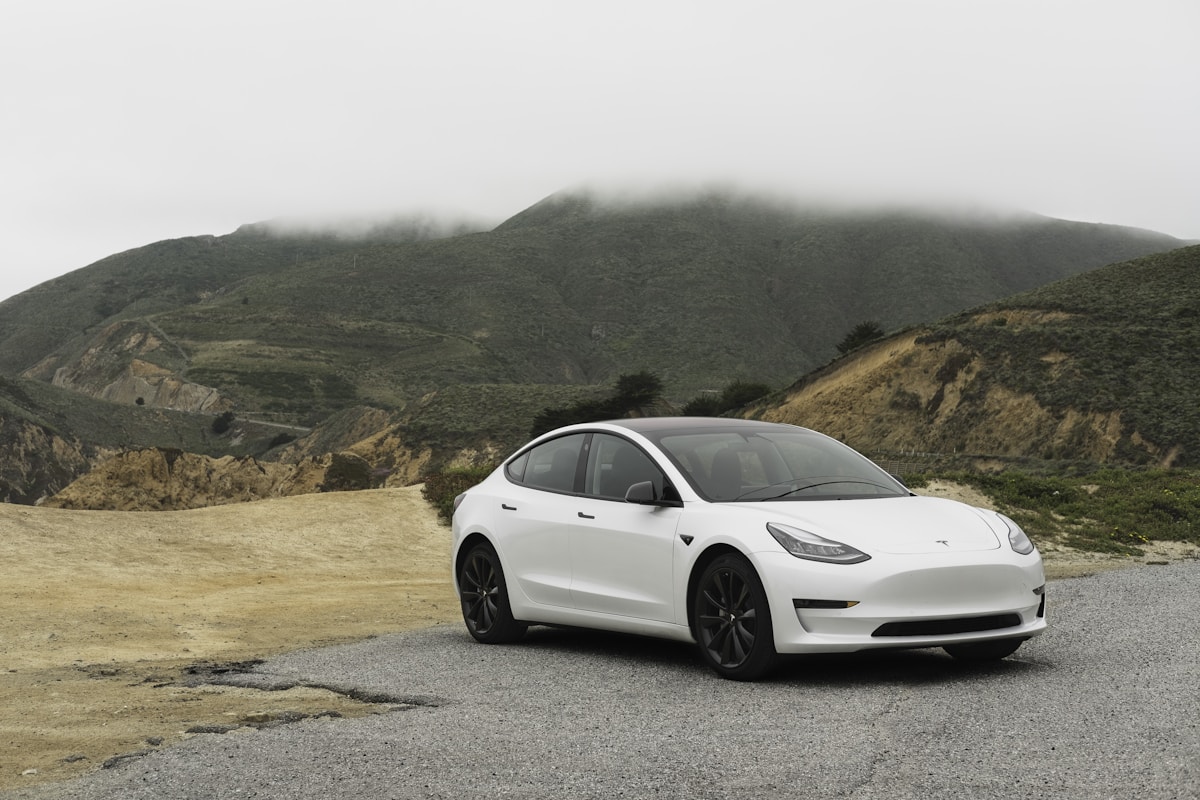
Remember when Tesla was the future of electric vehicles? When the investment thesis was simple: EVs would dominate transportation, and Tesla's battery tech was so far ahead that nobody could catch up? Yeah, about that.
Fast forward to 2026, and suddenly Tesla "isn't a car company anymore." It's an AI company. A robotaxi company. An energy company. A humanoid robot company. Anything, apparently, except what it actually is right now: a company that makes 95% of its revenue selling cars.
This isn't some fringe talking point. It's become the core defense among Tesla bulls whenever someone points out that BYD is outselling Tesla globally, or that American consumers are souring on EVs due to cost and range anxiety, or that Tesla's automotive margins are compressing. The response is always the same: "You don't understand—Tesla is so much more than cars."
Okay, let's test that claim. If we banned Tesla from selling another car tomorrow, what happens? Nintendo isn't a car company. If they were banned from selling cars, literally nothing would change. Can we say the same about Tesla? Obviously not. The business would collapse overnight.
Here's what actually worries me as someone who watches capital markets: the goal posts keep moving. The original Tesla thesis was pure and measurable—EVs take over, Tesla dominates EV production, profits follow. That thesis is crumbling. China's BYD is outpacing Tesla on volume. Legacy automakers have closed the battery gap faster than bulls expected. And the US EV adoption curve has flattened as reality set in: these things are expensive, charging infrastructure is still spotty, and cold weather kills range.
So what do investors do when the original thesis breaks? If you're rational, you re-evaluate with skepticism and adjust your position. But if you're emotionally anchored, you pivot to a new thesis without asking whether it's any more valid than the first one.
That's where we are with Tesla. Full Self-Driving has been "next year" for a decade. The robotaxi network was promised for 2020. Optimus robots were demonstrated with remote operators—essentially advanced puppets. And yet the market cap still assumes all of this works perfectly and generates massive cash flow within a few years.


