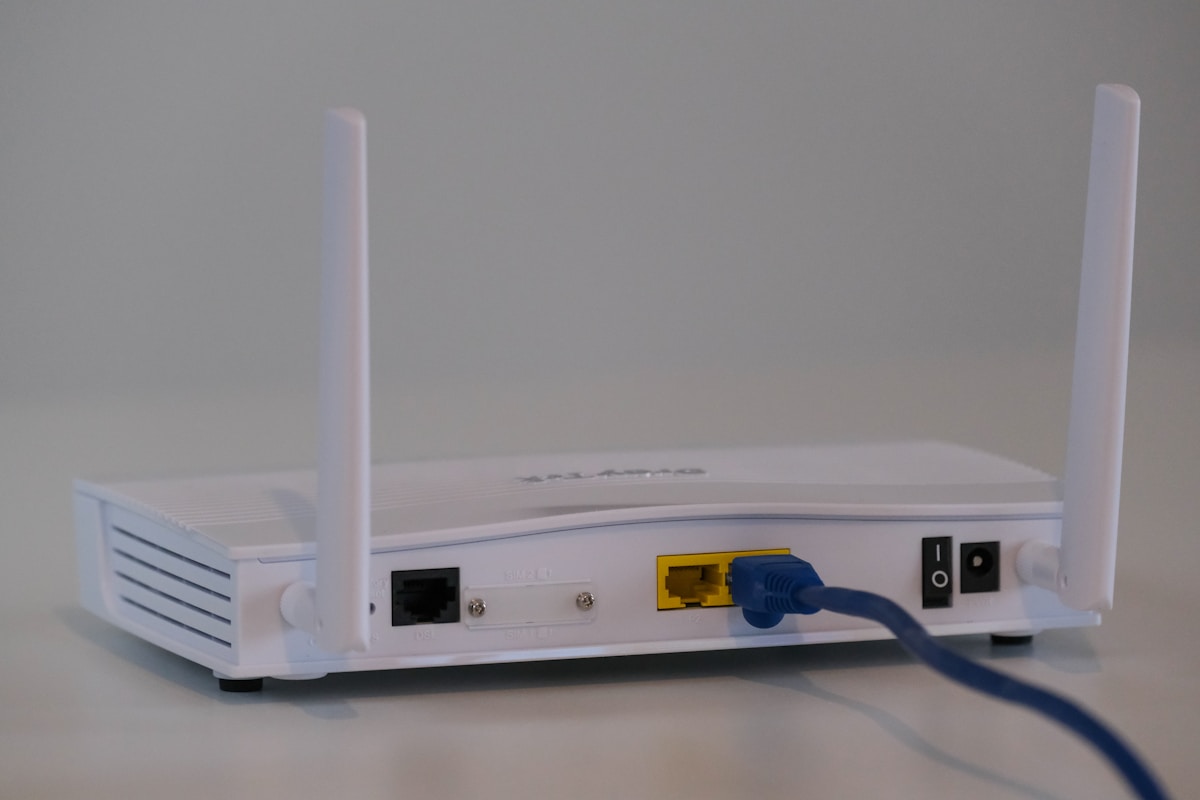
A hardware hacker decided to document what's inside a $20 router from Temu, and what they found should be illegal: multiple security vulnerabilities and possible backdoors that could give attackers access to entire home networks.
This is the dark side of the race to the bottom on electronics pricing. You think you're getting a deal on a router that "works just as well" as name brands. What you're actually getting is a device that might be shipping with intentional security holes.
The investigation, documented in a detailed YouTube video, walks through the router's firmware and discovers a laundry list of problems: outdated software, hardcoded credentials, mysterious outbound connections, and evidence of remote access capabilities that shouldn't exist on consumer hardware.
Here's what makes this particularly concerning: routers sit at the gateway of your entire home network. They see all your traffic. They control what devices can communicate. If your router is compromised, everything behind it is vulnerable - your computers, your phones, your smart home devices, your security cameras.
The cheap electronics market has exploded with platforms like Temu and similar ultra-discount retailers. The prices are attractive. The quality is often surprisingly decent for basic functionality. But security? That's where corners get cut.
Manufacturing a router with proper security isn't just about adding features - it requires ongoing firmware updates, security audits, vulnerability patches, and support infrastructure. All of that costs money. When you're selling routers for $20, those costs get eliminated.
The result is devices that technically work but are fundamentally insecure. They'll connect your devices to the internet. They'll even have decent WiFi range. But they're also potential entry points for anyone who knows where to look.
What the researcher found isn't necessarily malicious intent - though that's possible. Often, it's aggressive cost-cutting and repurposing of old designs. Manufacturers take reference designs, strip out anything expensive (like security features), and ship products with years-old vulnerabilities that were never patched.
The scariest part? Most consumers have no way to know. These routers don't advertise their security flaws. They don't come with warning labels about outdated firmware. They just promise fast WiFi at an unbeatable price.
If you're thinking "I'll just put it behind a better router," that doesn't help. Once a compromised device is inside your network, the protection your main router provides doesn't matter. And many people use these cheap routers as their primary networking equipment.
The hardware hacking community performs an invaluable service by tearing down these devices and documenting what's inside. But there should be regulatory frameworks preventing devices with obvious security holes from being sold in the first place.
Consumer electronics safety regulations cover electrical hazards, radio interference, and physical safety. But there's remarkably little oversight of cybersecurity in imported electronics. You can't sell a toaster that might burn down someone's house - but you can apparently sell a router that might compromise their entire digital life.
If you bought one of these routers (or any ultra-cheap networking gear), the recommendation is simple: don't use it. Spending $20 instead of $60 on a router isn't worth the security risk. And if you're not sure about your current router's security, stick with established brands that have track records of security updates.
The technology exists to build secure, affordable networking equipment. But at $20, something has to give. And what gives is usually the stuff you can't see - like security, firmware updates, and basic protections against network intrusion.
You get what you pay for. But when "what you pay for" includes potential access to every device on your network, cheap becomes very expensive.