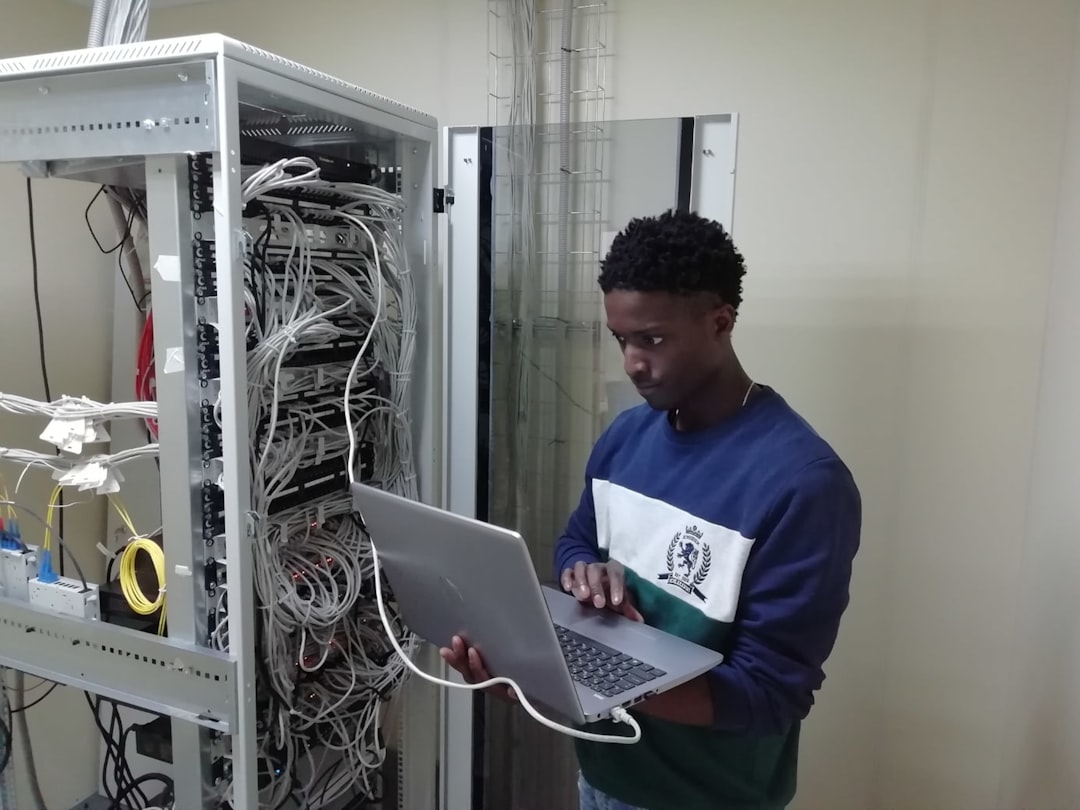
Amazon, Google, and other U.S. tech companies made billion-dollar deals in the Persian Gulf to build AI infrastructure. Now those data centers and facilities are being threatened with attacks by Iran as regional tensions escalate. The story reveals how the AI arms race is colliding with geopolitics in dangerous ways.
The cloud giants bet big on Gulf states for cheap energy and tax breaks. Saudi Arabia, the UAE, and Qatar all offered sweeteners to companies willing to foot the bill for massive AI data centers that would help these nations build their own tech capabilities. It was supposed to be a win-win: American companies got infrastructure in a strategic region, and Gulf states got to diversify away from oil.
Except nobody planned for what happens when your physical infrastructure becomes a military target.
This isn't just about regional conflict - it's about what happens when the AI infrastructure race pushes companies into geopolitically unstable regions. The "AI anywhere" promise assumes that data centers are neutral infrastructure, like undersea cables or satellites. But Iran's threats make it clear that in times of conflict, these facilities are seen as legitimate targets precisely because of their strategic value.
What does this mean for the companies involved? They're now stuck with massive capital investments in facilities they can't easily relocate, in a region where tensions can escalate overnight. The technology is impressive. The question is whether the risk calculus that got them there was sound.
The broader issue is that AI infrastructure is too expensive and energy-intensive to be easily distributed. You can't just spin up a data center anywhere - you need cheap power, cooling, connectivity, and regulatory environments that won't get in the way. That's pushed companies toward places like the Gulf, where energy is abundant and governments are eager to deal.
But geopolitical stability wasn't part of the equation. And now companies that thought they were making purely economic decisions are discovering they've placed billion-dollar bets in what might become a war zone.
The cloud providers haven't issued detailed public responses about security measures or contingency plans. That's probably wise from an operational security standpoint, but it doesn't inspire confidence for companies building on their infrastructure. If you're running critical AI workloads in Middle East data centers, you're probably having some uncomfortable conversations with your risk team right now.