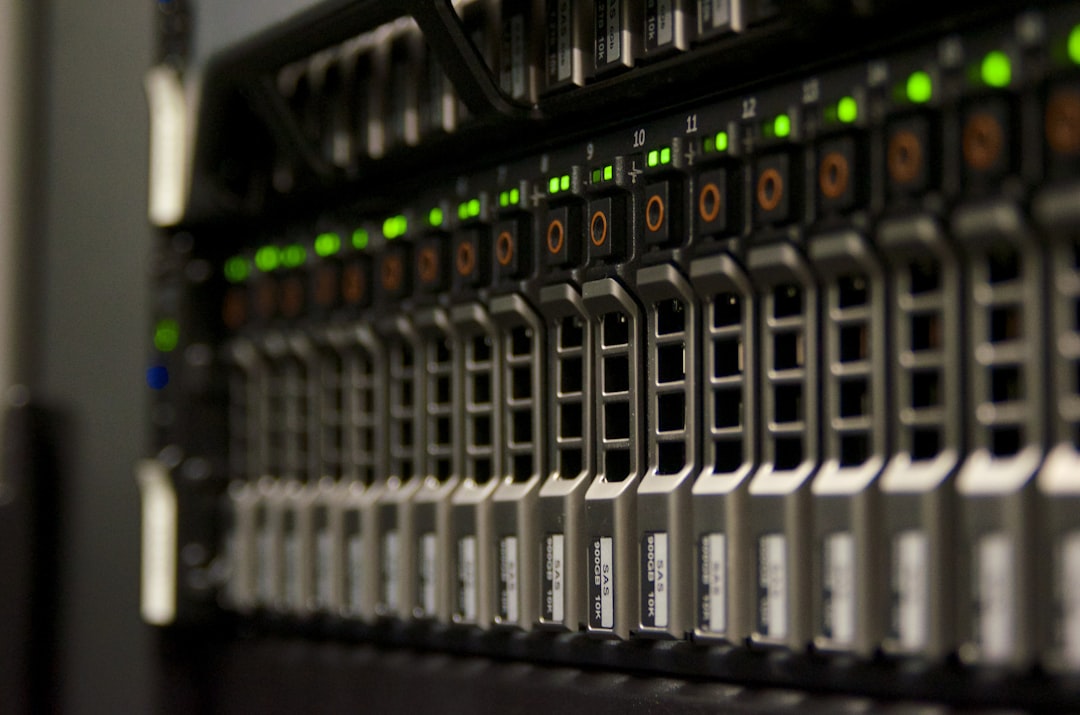
The tech giants just posted earnings, and the headline number is staggering: Amazon, Microsoft, and Google spent a combined $111 billion in a single quarter building out AI infrastructure.
Let me say that again: $111 billion. In three months.
That's not revenue. That's not market cap gains. That's cold, hard cash going out the door to buy data centers, GPUs, power infrastructure, and cooling systems. And while the companies are spinning this as "investment in the future," the numbers tell a different story: profits are collapsing.
Here's the breakdown from the latest earnings reports:
Amazon: Capex hit $44.1 billion, up 67% year-over-year. Free cash flow? Down 95% to just $1.2 billion. That's not a typo. Amazon went from printing cash to barely breaking even on a free cash flow basis.
Microsoft: Capex was $31.9 billion, up 49%. Free cash flow dropped 17% to $14.8 billion. Azure is growing, but the cost of feeding the AI beast is eating into margins.
Google: The wildest of the bunch. Capex exploded to $35.7 billion, up nearly 200% year-over-year. Free cash flow cratered 47% to $10.1 billion. Google Cloud is booming, but the company is burning cash to stay competitive.
So what's going on? This is the biggest infrastructure arms race in corporate history, and it's not clear who's going to win - or if anyone will.
The companies are betting that whoever builds the most AI compute capacity will dominate the next decade of cloud computing. But here's the problem: they're all building at the same time, which means they're competing for the same Nvidia chips, the same power capacity, and the same data center real estate. That's driving costs through the roof.
And the returns? Still theoretical.
Sure, Google Cloud grew 63% and Amazon Web Services grew 28%. But revenue growth doesn't mean profits. These companies are spending so much on infrastructure that margins are getting crushed.
Meta, for context, spent "only" $19.8 billion on capex - and that was up 44%. Even looks restrained compared to the cloud hyperscalers.