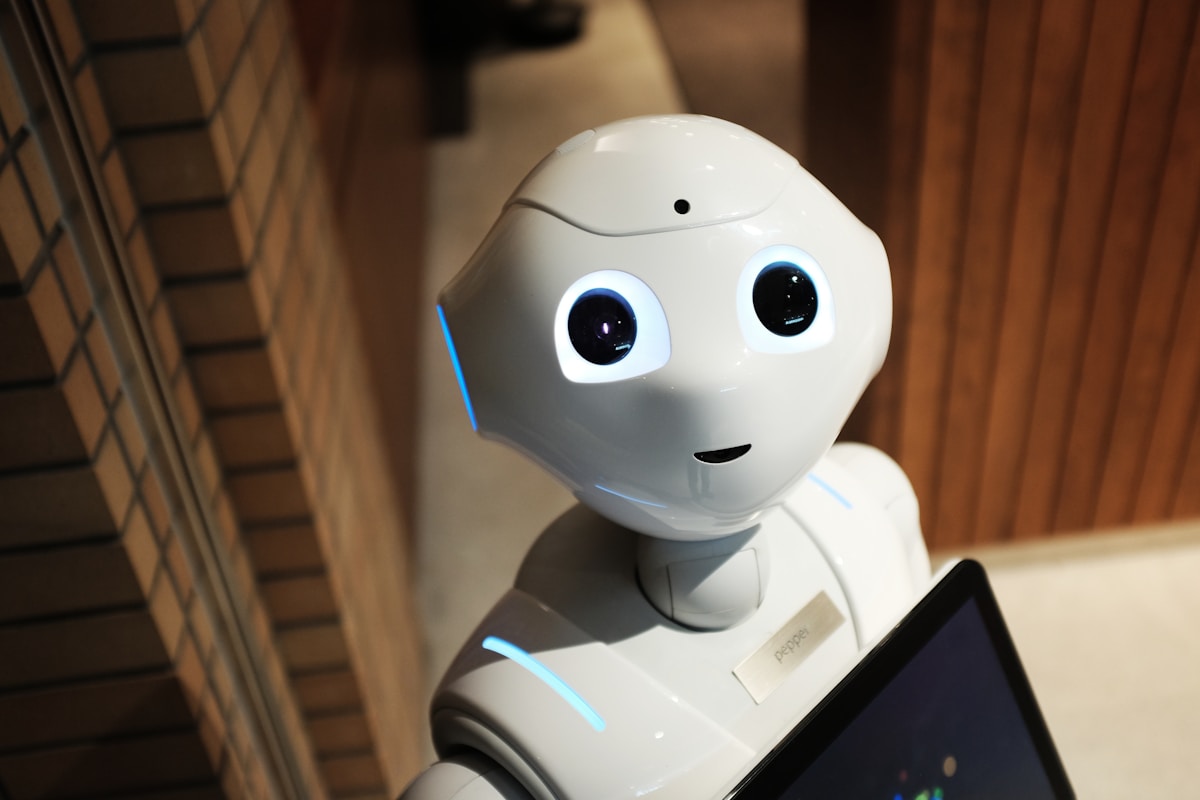
From big eyes to friendly voices, robotics companies are deliberately designing their products to be adorable and non-threatening. It's a calculated strategy to overcome the "uncanny valley" and make people comfortable with robots in homes and workplaces. And it's working.
DoorDash built their delivery robot Dot to be round - studies show humans prefer curved over angular shapes - with large, circular eyes that make eye contact with pedestrians and signal turning direction. Sunday Robotics styled their household robot Memo to look like Baymax from Disney's "Big Hero 6." Interaction Labs recruited an Oscar-nominated writer to give their Ongo lamp robot a cartoonish voice and Pixar-like movements.
As robot designer Ellie Sanoubari explains: "You would want people to feel comfortable" and "signal that it is friendly, that it is not going to harm anyone." This is design as psychological manipulation, and companies have learned from early robot failures that technical capability doesn't matter if people are creeped out.
The strategy leverages innate human responses to facial features and childlike characteristics. We're hardwired to respond positively to big eyes, round shapes, and high-pitched voices - the features of babies that trigger our caretaking instincts. Robotics companies are exploiting these evolved responses to foster faster attachment and acceptance.
But here's my question: does making robots cute help or hinder our ability to think critically about when we should - and shouldn't - automate human tasks? When the delivery robot has adorable eyes, are we less likely to consider the impact on human delivery workers? When the care robot looks like Baymax, do we avoid asking whether elderly people should be attended by machines instead of humans?
This isn't to say robots are inherently bad. Automation has genuine benefits for dangerous, repetitive, or precision tasks. But the decision about what to automate should be based on thoughtful analysis of costs and benefits, not on whether the robot designer made it look cute enough that we don't want to question it.
The companies designing cute robots aren't stupid - they know exactly what they're doing. Making robots non-threatening accelerates adoption, which accelerates revenue. But adoption speed isn't the same as good judgment about deployment.