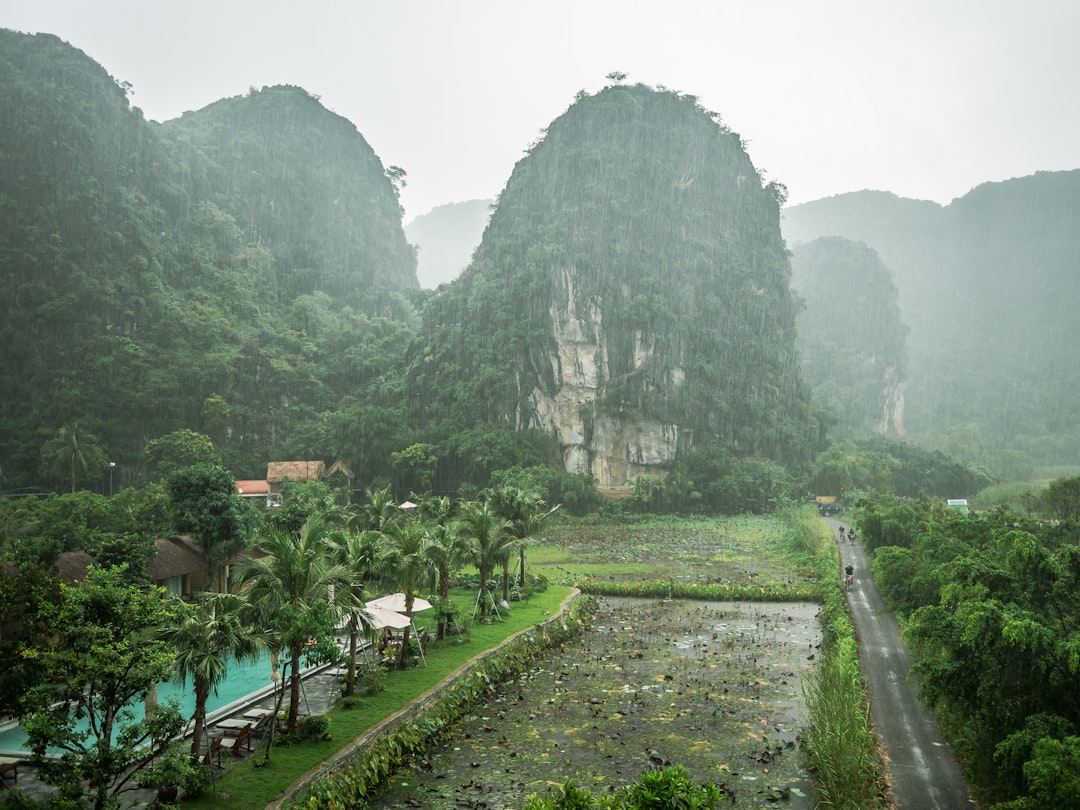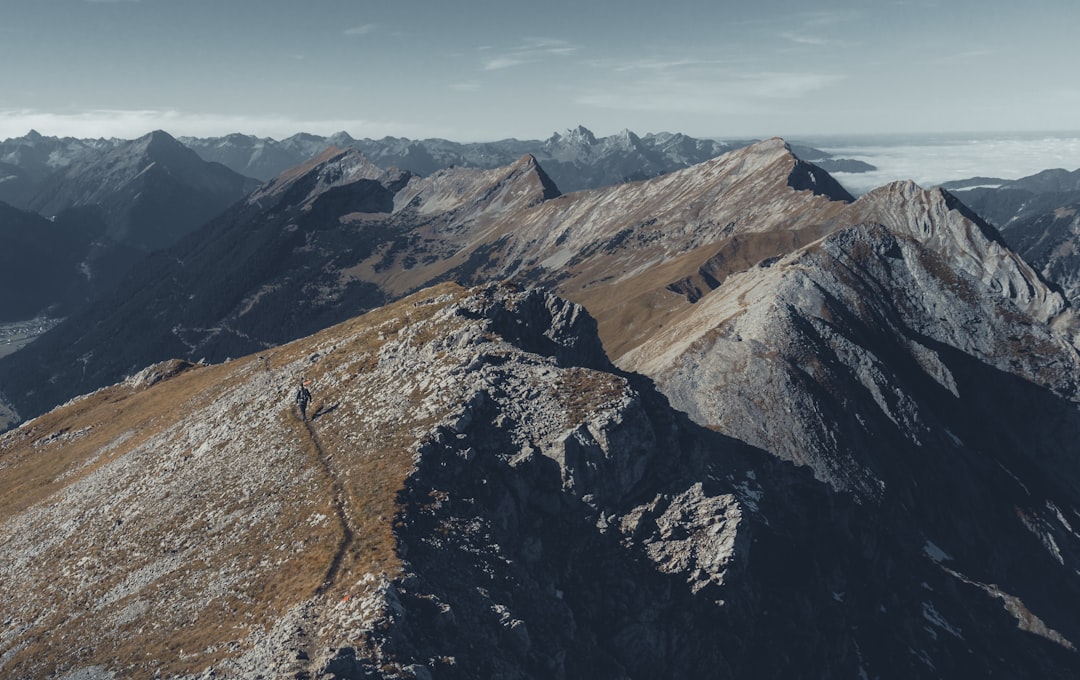
An 18-year-old solo traveler planning hikes in Austria and Slovenia raised concerns about tick-borne encephalitis (TBE) on r/travel, sparking a discussion about a growing health concern that most North American and UK travelers don't know about before booking their Alpine adventures.
The traveler, flying into Germany in June before training to Prague, Gosau, Austria, and Slovenia, will be doing three days of hiking in Austria and about a week in Slovenia. "I'm nervous to be travelling by myself for the first time," they wrote, asking whether vaccination is necessary and if locals are concerned about the virus.
The response from the travel community was clear: yes, TBE is a real concern, and vaccination is recommended.
What is TBE? Tick-borne encephalitis is a viral infection transmitted by infected ticks. It can cause inflammation of the brain (encephalitis), meninges (meningitis), or both. While many infections are mild or asymptomatic, severe cases can lead to long-term neurological complications or death.
The virus is endemic in many parts of Central Europe, Eastern Europe, and parts of Asia. Austria, Slovenia, Czech Republic, Germany, Switzerland, and the Baltic states all have significant TBE prevalence, particularly in forested and grassy areas below 1,500 meters elevation—exactly where summer hiking happens.
According to the European Centre for Disease Prevention and Control, TBE cases have been increasing in recent years, partly due to climate change expanding tick habitats and partly due to improved surveillance and reporting.
The vaccination timeline matters. The TBE vaccine requires multiple doses for full protection. The standard schedule involves three doses: the first two doses are given 1-3 months apart, providing protection for the current season, while a third dose 5-12 months later extends protection for up to three years.
An accelerated schedule exists for travelers with limited time: two doses given two weeks apart can provide adequate short-term protection. Commenters on the thread advised the traveler to visit a travel doctor immediately to start the vaccination series, as they're leaving in June—giving just enough time for the first two doses.
One commenter noted: "I leave my country June 10th so that gives plenty of time to get the two doses. From my understanding this will give adequate protection and the 3rd dose simply extends how long the protection lasts."
Beyond vaccination, hikers should take standard tick precautions:
• Wear long pants tucked into socks • Use insect repellent containing DEET or picaridin • Stay on marked trails when possible • Perform thorough tick checks after hiking • Remove ticks promptly and properly if found • Consider treating clothing and gear with permethrin
The discussion also revealed regional differences in TBE awareness. For Europeans living in endemic areas, TBE vaccination is routine—many receive it as children. But travelers from North America, UK, and Australia often have never heard of the virus until they start planning Alpine hiking trips.
Several travel health experts recommend TBE vaccination for anyone planning outdoor activities in endemic areas during tick season (roughly April through October). The vaccine is safe, effective, and widely available at travel clinics.
The broader message for summer hikers: Central European destinations like Austria and Slovenia offer world-class hiking, but they come with health considerations that differ from North American trails. TBE awareness isn't fear-mongering—it's practical health information that should be part of pre-trip planning, just like checking visa requirements or travel insurance.
For the 18-year-old first-time solo traveler who sparked this discussion, the response was overwhelmingly supportive. Multiple commenters praised them for doing proper research, asking questions, and taking health precautions seriously. With proper vaccination and tick awareness, summer hiking in the Alps can be both safe and spectacular.