
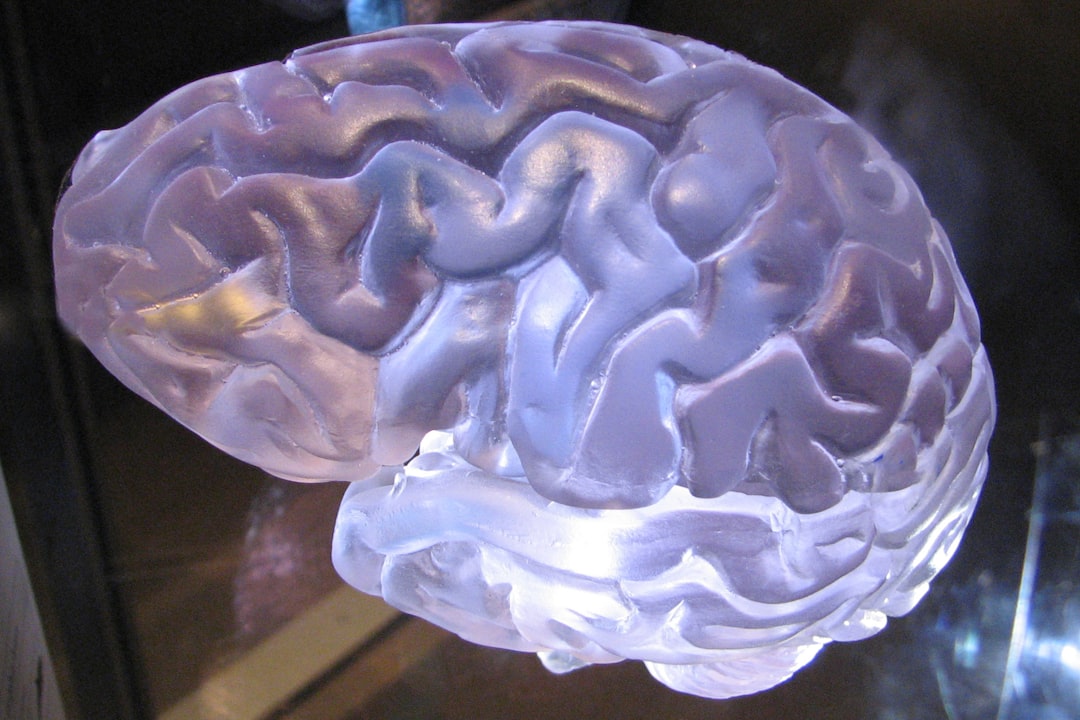
Researchers at the University of Pennsylvania have identified a specific brain signal associated with compulsive behaviors in OCD patients, and demonstrated that targeted electrical stimulation can significantly reduce symptoms by modulating that signal.
This is precision psychiatry at its best: moving from trial-and-error treatment to targeted intervention based on observable neural biomarkers.
The study, published in Nature Medicine, focused on patients with severe, treatment-resistant OCD who had brain stimulation devices implanted. The researchers recorded neural activity while patients reported their compulsion levels in real-time.
What they found was a distinct pattern of brain activity in the orbitofrontal cortex that correlated strongly with the urge to perform compulsions. When this signal was high, patients felt intense compulsion. When it was low, the urge diminished.
The elegant part: they then programmed the stimulation devices to deliver electrical pulses specifically when this signal appeared, essentially interrupting the compulsion circuit before it could translate into behavior.
"We're not just stimulating the brain constantly and hoping for the best," explains lead researcher Casey Halpern. "We're reading the brain's signals and responding in real-time to modulate the specific circuit involved in compulsions."
The results were striking. Patients experienced significant symptom reduction, with some reporting that compulsions that had dominated their lives for decades became manageable or disappeared entirely.
Now, let's be clear about limitations. This is a small study with a handful of patients, all with severe, treatment-resistant OCD who had already failed multiple other treatments. These are people for whom brain surgery was a reasonable option because nothing else worked. Scaling this to broader populations isn't straightforward.
The devices themselves are expensive and require neurosurgical implantation. This isn't going to replace cognitive behavioral therapy or medication as first-line treatments. But for the subset of OCD patients who don't respond to anything else, this represents genuine hope.