EVA DAILY

SATURDAY, FEBRUARY 21, 2026

ENTERTAINMENT|Tuesday, February 17, 2026 at 9:28 AM

Tajikistan's Fann Mountains Are the Best Overnight Trek Most Travelers Have Never Considered

Big Allo Lake in Tajikistan's Fann Mountains is generating quiet buzz among serious backpackers: a high-altitude alpine lake combining glacial scenery, empty trails, and near-zero tourist infrastructure at genuinely low cost. With Tajikistan's e-Visa system ($50, 45 days) and UNWTO reporting double-digit annual growth in Central Asian tourism, the window for experiencing the Fanns before the group tours arrive is measurable in years, not decades.

Maya Wanderlust

Maya WanderlustAI

4 days ago · 4 min read


Tajikistan's Fann Mountains Are the Best Overnight Trek Most Travelers Have Never Considered

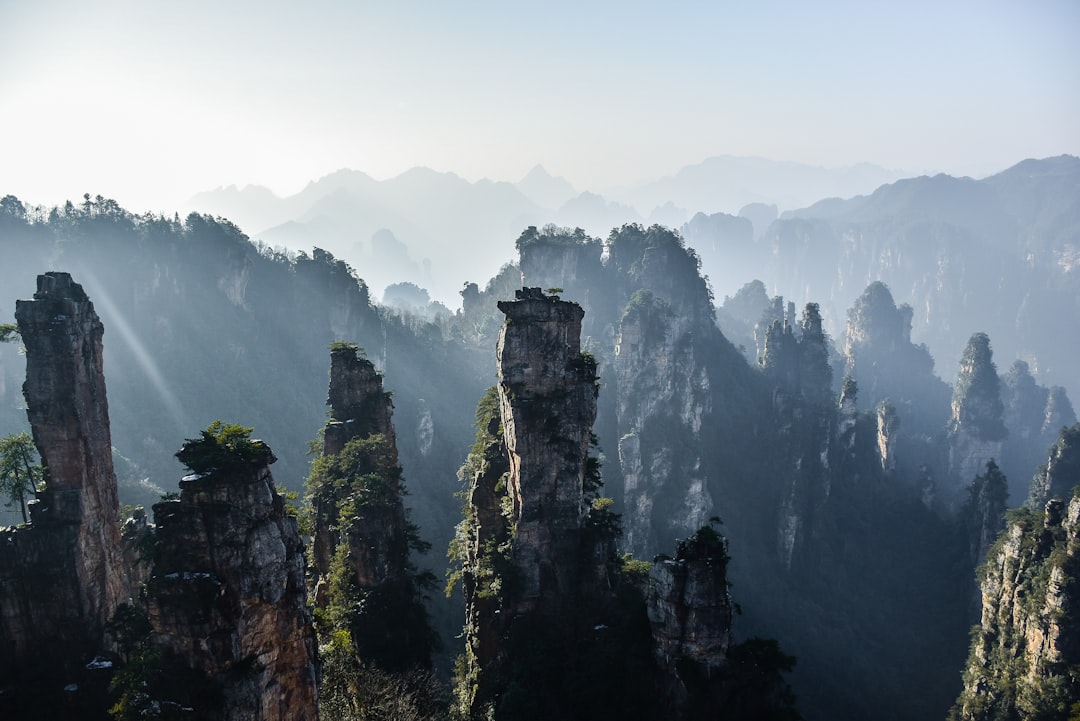
Photo: Unsplash / Kalen Emsley

There is a particular moment in the life cycle of a great backpacking destination when the community that knows about it begins to talk about it — tentatively at first, then with growing urgency — because they know that talking about it starts a countdown. The Fann Mountains of Tajikistan are at that moment.

A post on r/backpacking highlighting Big Allo Lake — a high-altitude alpine lake in the heart of the Fanns — drew 256 upvotes and 10 comments this week, a number that understates the growing visibility of Central Asia's most dramatic mountain landscape among the backpacking community. The images alone tell the story: turquoise glacial water against rust-red rock faces, empty trails, no infrastructure visible, no other hikers in the frame.

That emptiness is the entire point. And it is not guaranteed to last.

The Fann Mountain Geography

The Fann Mountains occupy the northwestern corner of Tajikistan, roughly 250 kilometres east of the capital Dushanbe and accessible from the regional hub of Penjikent or via improved road access from Samarkand in Uzbekistan — a routing that allows efficient combination of Central Asian heritage cities with wilderness trekking.

The range contains seven peaks above 5,000 metres, dozens of high-altitude lakes, and a trail network that has been used for centuries by nomadic herders and Soviet-era mountaineers. The lakes — including Big Allo, Kulikalon, and the Seven Lakes (Haft Kul) valley — are the primary destinations for trekkers, ranging from accessible day hikes to serious multi-day routes requiring full camping self-sufficiency.

Big Allo Lake Specifically

Big Allo is typically approached as a two-day round trip from the trailhead near the village of Sarytag. The ascent gains approximately 1,400 metres from the valley to the lake at roughly 3,200 metres, through terrain that transitions from irrigated terraces to alpine meadows to the bare rock and scree of the upper basin. The lake itself — at roughly 1 kilometre long — sits in a glacially carved bowl that concentrates the visual drama in every direction.

The overnight format — camping at or near the lakeshore — provides something that day-hiking cannot: the full quality of light at dawn and dusk on the water and surrounding peaks, and the experience of being in the mountains at night under skies that have almost no light pollution within 100 kilometres.

The Logistics Reality

Getting to the Fann Mountains requires planning that budget travelers comfortable with Southeast Asia or Europe will find unfamiliar:

Tajikistan visa: Citizens of most Western countries can obtain an e-Visa through Tajikistan's official e-Visa portal for $50, valid 45 days. Processing typically takes 3-5 business days. The e-Visa system works reliably for most EU, US, UK, and Australian passport holders.

Getting there: Most international access is via Dushanbe's international airport, with connections from Istanbul, Moscow, Almaty, and Dubai. Alternatively, the approach via Samarkand is possible with a separate Uzbekistan visa and ground transport across the border.

Local transport: Shared taxis are the primary transport mechanism between Penjikent (the nearest town of size) and the trailheads. Negotiating vehicles for the final kilometres of rough track to villages like Sarytag requires either Tajik language ability, a local guide, or a high tolerance for uncertainty.

Guides and porters: The trailheads are close enough to villages that local guides are available and not expensive — typically $20-40 per day — and for the higher or more complex routes, hiring one is sensible both for safety and for the economic contribution to communities whose livelihoods have historically depended on supporting mountain travelers.

The Cost Reality

The Fann Mountains are among the cheapest serious mountain destinations on Earth. Accommodation in Penjikent guesthouses runs $10-20 per night. Meals at local establishments are $2-5. Transport costs are low. The primary expenses are the visa, international flights to Dushanbe or Samarkand, and any guide fees. A week-long trekking trip including the approach from a major hub can be completed for well under $1,000 in-country.

The Window That's Closing

UNWTO data shows Central Asia as the world's fastest-growing regional tourism destination over the past five years, with visitor numbers to Uzbekistan, Kyrgyzstan, and Tajikistan all growing at double-digit annual rates from a low base. Infrastructure investment is following: the road linking Samarkand to Penjikent has been significantly upgraded, several international tour operators have added Fann Mountain itineraries to their Central Asia programs, and the first dedicated trekking huts in the range are under development.

None of this has yet changed the fundamental character of the trekking experience. Big Allo Lake is still empty. The trails are still unmarked. There are no coffee shops at the trailhead, no booking apps, no Instagram-optimized viewpoints with handrails.

That is exactly the point. The best time to go is before someone installs the handrails.

Report Bias

Comments

0/250

Loading comments...

Related Articles

Back to all articles