
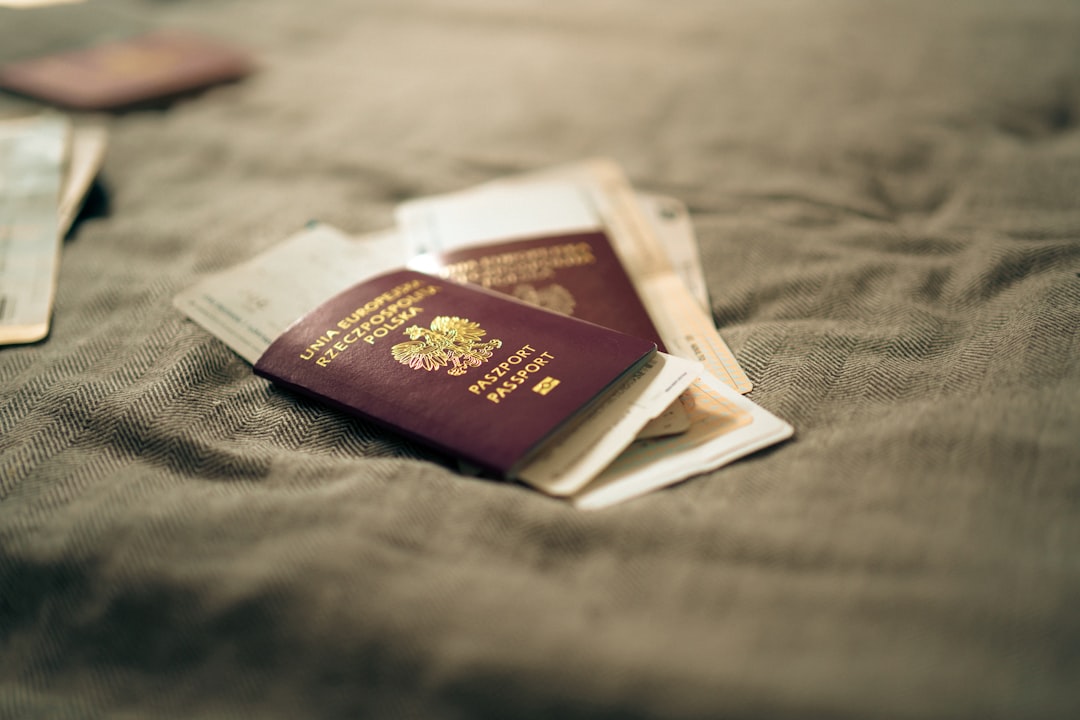
Taiwan's passport has climbed to 32nd place in global mobility rankings, marking a significant improvement in visa-free access for the island's citizens despite its unique diplomatic constraints.
The ranking reflects expanded travel privileges for Taiwan passport holders, who now enjoy visa-free or visa-on-arrival access to 145 destinations worldwide. The improvement comes as several countries have quietly expanded Taiwan's travel privileges over the past year, reflecting what observers characterize as incremental soft power gains for the democratically-governed island.
The gains are particularly notable given Taiwan's diplomatic isolation. Beijing claims Taiwan as part of Chinese territory and has limited the island's formal diplomatic recognition to just 12 countries worldwide. Yet passport power rankings measure practical travel access rather than formal diplomatic ties—a distinction that has worked in Taiwan's favor.
Among the recent additions, several Western democracies and Southeast Asian nations have expanded visa-free access for Taiwan passport holders. The pattern suggests growing comfort with facilitating people-to-people exchanges even among countries that maintain formal diplomatic relations exclusively with the People's Republic of China.
"Watch what they do, not what they say. In East Asian diplomacy, the subtext is the text."
The ranking places Taiwan's passport ahead of several larger nations and on par with some EU member states—a testament to the island's economic development, stable governance, and low rates of visa overstays that make immigration authorities comfortable granting expanded access.
For Taiwan's 23 million residents, the expanded mobility represents tangible benefits of the island's economic success and democratic credentials. It also serves as a form of soft power, enabling increased international people-to-people exchanges that Beijing cannot easily block through diplomatic pressure.
The improvement contrasts with earlier periods when Taiwan's passport ranking stagnated or declined due to diplomatic pressure from Beijing. The recent gains suggest that practical considerations—tourism revenue, business facilitation, educational exchange—increasingly outweigh diplomatic sensitivities for many nations.
Taiwan's passport uses the formal name "Republic of China" but prominently features "Taiwan" on the cover—a compromise reflecting the island's complex international status. The document itself has become a symbol of Taiwan's de facto sovereignty and its integration into global networks despite formal diplomatic isolation.
The timing coincides with Lunar New Year travel season, when millions of Taiwan residents travel abroad. The expanded visa-free access reduces bureaucratic friction and travel costs, delivering concrete benefits that Taiwan's government can highlight as evidence of international acceptance.