
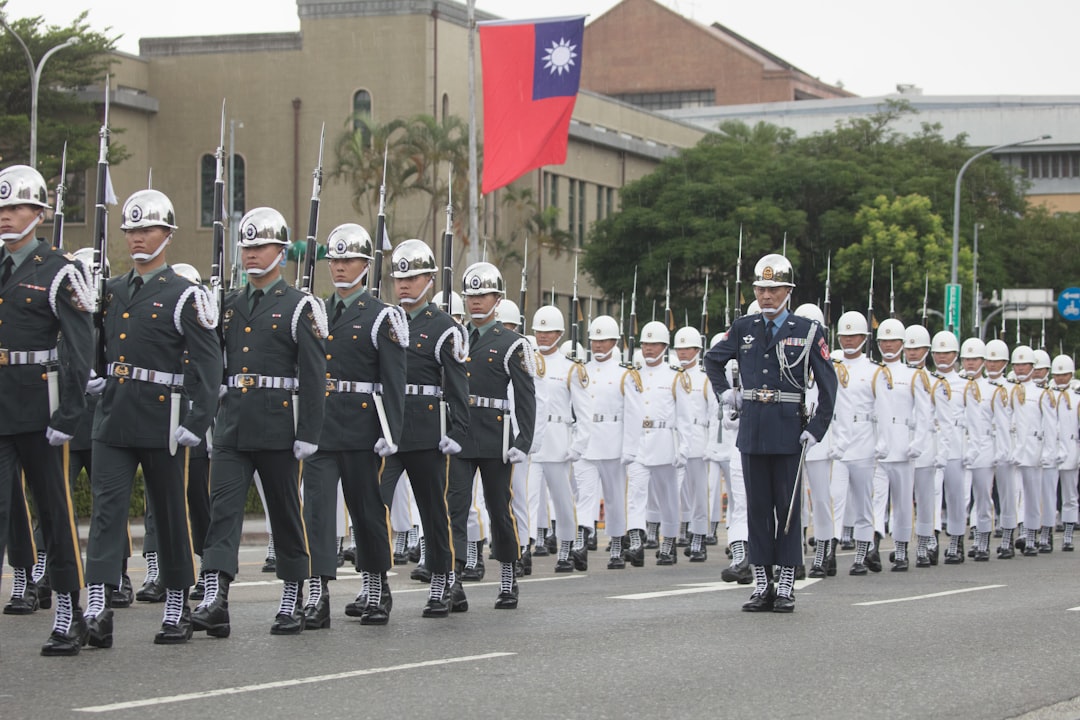
Taiwan's legislature authorized the Cabinet to sign letters of acceptance for U.S. weapons procurements on Thursday, Focus Taiwan reported, streamlining a bureaucratic process that has slowed arms deliveries amid rising cross-strait tensions.
The procedural authorization, passed by the Legislative Yuan, allows the Executive Yuan—Taiwan's cabinet—to directly sign Letters of Acceptance (LOAs) for Foreign Military Sales agreements with the United States without requiring separate legislative approval for each transaction. Previously, individual LOAs required legislative review, adding weeks or months to procurement timelines.
The move is procedural but strategically significant. It signals Taipei's urgency in accelerating weapons acquisitions as China intensifies military pressure around the island and as U.S. defense contractors face a $20 billion backlog in unfulfilled Taiwan orders—delays driven by production constraints, Ukraine war demands, and supply chain bottlenecks.
Watch what they do, not what they say. In East Asian diplomacy, the subtext is the text. Legislative streamlining reveals more about Taiwan's threat assessment than any ministerial statement: when a democracy expedites arms procurement procedures, it reflects real urgency rather than rhetorical posturing.
Taiwan has committed to purchasing over $15 billion in U.S. weapons systems since 2019, including F-16V fighter jets, M1A2T Abrams tanks, HIMARS rocket systems, Harpoon coastal defense missiles, and MQ-9 Reaper drones. But delivery timelines have stretched from years to nearly a decade for some platforms, leaving the island's military planning in flux.
The authorization comes as the Biden administration—and now potentially a second Trump administration—faces pressure to prioritize Taiwan arms deliveries. Washington approved a $2 billion military aid package for Taiwan in 2024, the first use of Foreign Military Financing for the island, supplementing direct sales with grant assistance.
Critics of U.S. arms policy argue that American defense contractors have oversold Taiwan on expensive platforms rather than focusing on asymmetric capabilities—coastal missiles, naval mines, mobile air defenses—that military strategists say would prove more effective in repelling an amphibious invasion. The LOA streamlining does nothing to address this strategic debate, but it removes procedural friction from whatever systems chooses to purchase.