
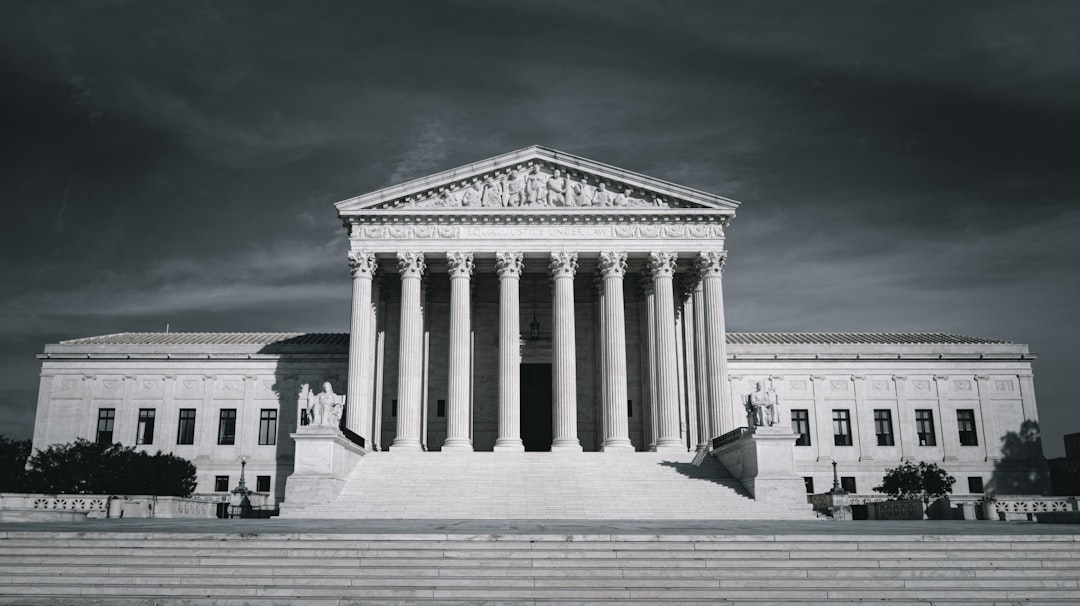
The Supreme Court ruled against Donald Trump's expansive tariff authority this week, but Wall Street isn't exactly breathing a sigh of relief. The decision creates more uncertainty than it resolves, leaving CFOs and corporate strategists in the same limbo they've inhabited since the former president's trade war began.
The court's ruling strikes down tariffs imposed under national security pretenses, a tactic Trump deployed liberally during his presidency. While the decision offers potential refunds to importers who paid billions in duties, it does nothing to clarify what comes next. Trade policy remains hostage to political theater, and that's the real cost to American business.
Here's what the markets are missing: policy whiplash costs more than the tariffs themselves. When a company can't predict whether steel will cost $500 or $800 per ton six months from now, M&A deals stall, capital expenditure plans get shelved, and hiring freezes become the default position. I've seen this playbook before at Goldman - executives won't commit capital when the regulatory landscape shifts every election cycle.
The immediate impact is measurable. Import-dependent sectors from automotive to consumer electronics have billions tied up in tariff payments that may or may not be refunded. The longer-term damage is harder to quantify but more insidious: American manufacturers who rebuilt supply chains to avoid tariffs now face the prospect of doing it all over again if policy changes direction.
Corporate strategists are already gaming out scenarios. Do you reshore production and risk being undercut when tariffs disappear? Do you stay offshore and risk getting hit with the next round? The Supreme Court just made the game even harder to play.
The numbers don't lie: trade policy uncertainty has kept corporate investment below pre-2016 trends despite strong profitability. Until Washington commits to a coherent trade strategy - regardless of which party writes it - American businesses will continue to treat international commerce like a casino game instead of a strategic planning exercise.
The Supreme Court did its job. Now Congress needs to do theirs and establish clear, predictable trade rules that last longer than a single administration. Until then, expect more of the same: headlines, volatility, and CFOs hedging every bet.