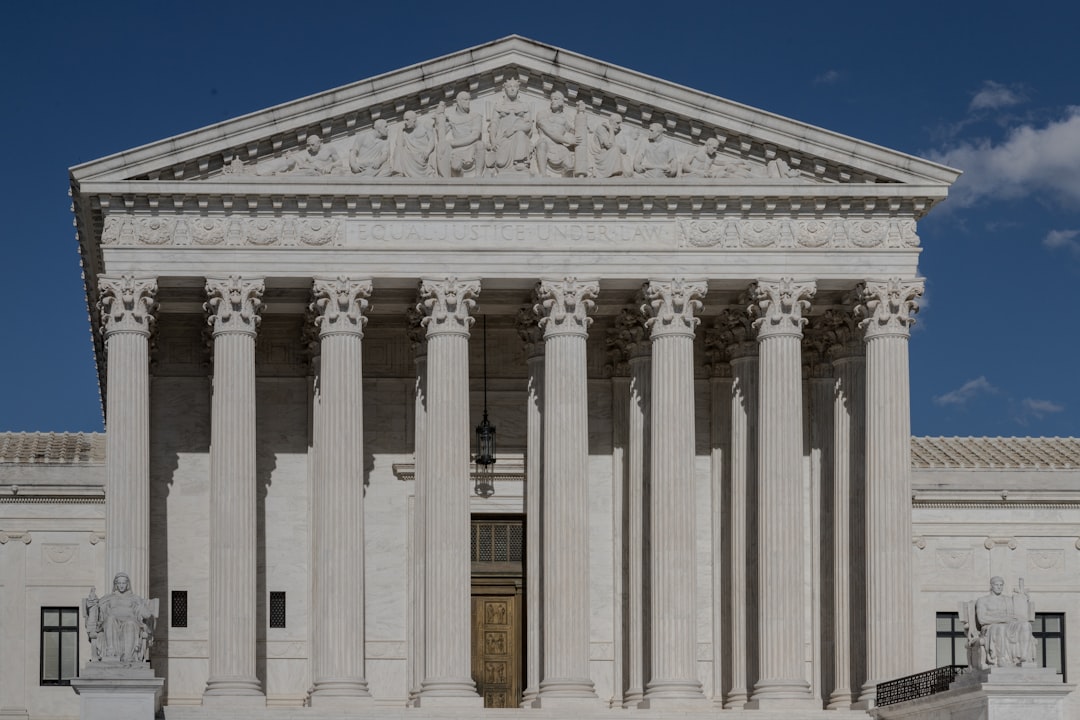
The Supreme Court ruled that internet service providers cannot be held liable for user piracy unless intent can be proven, fundamentally shifting the legal landscape for tech infrastructure providers. The decision establishes critical precedent for intermediary liability in the digital age.
The ruling centers on a crucial distinction: you can't hold the pipes responsible for what flows through them. ISPs provide infrastructure—the means by which data travels across the internet. Under the new standard, copyright holders must prove that an ISP intended to facilitate piracy, not merely that piracy occurred on their network.
This is a major victory for ISPs, who have long argued that monitoring and policing every bit of data passing through their networks is both technically impossible and a violation of user privacy. "We're not the copyright police," one industry representative noted in response to the ruling.
The decision comes at a critical time as governments worldwide grapple with questions about platform liability and content moderation. The intent requirement is crucial—it means infrastructure providers won't face automatic liability for user actions, but they can still be held accountable if they're actively facilitating illegal behavior.
For consumers, the ruling likely means ISPs won't be forced to implement aggressive monitoring systems or throttle connections based on suspected copyright infringement. For copyright holders, it raises the bar for pursuing cases against infrastructure providers rather than individual pirates.
The technology is impressive. The question is where we draw the line between infrastructure and responsibility.