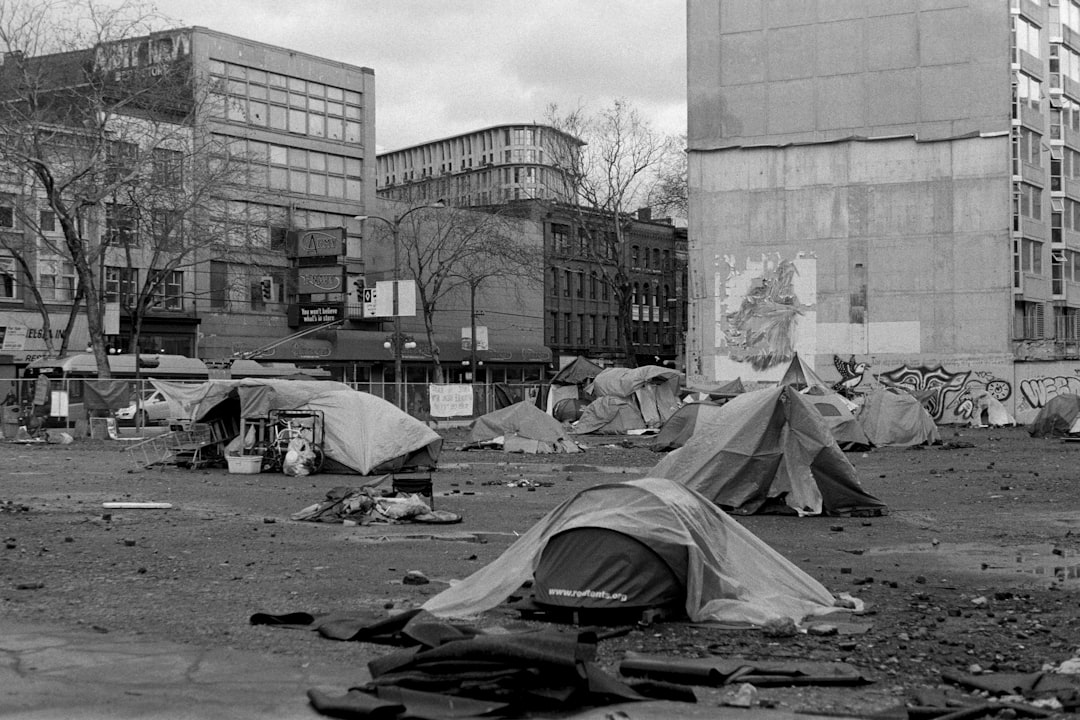
A case before Australia's Supreme Court is shining an uncomfortable light on how local councils use intimidation and legal threats to coerce homeless people into leaving public spaces—often without proper legal authority and in violation of their basic rights.
The ABC's investigation reveals a pattern of councils issuing move-on orders, threatening prosecution, and using by-laws in ways that effectively criminalise homelessness while sidestepping the legal protections homeless people are supposed to have.
The tactics are varied but follow a common playbook. Councils issue notices claiming people are trespassing on public land—even when they're in parks or other spaces legally accessible to the public. They threaten to confiscate belongings, citing health and safety concerns. They invoke obscure by-laws about camping or setting up temporary structures, applying them selectively to homeless individuals while ignoring similar uses by housed people.
Here's the legal issue at the heart of the Supreme Court case: many of these council actions lack proper statutory authority. Councils are using the threat of legal action to force compliance, banking on the fact that homeless people lack the resources or legal knowledge to challenge them. It's intimidation dressed up in bureaucratic language.
The result is a cruel shell game. Homeless people get moved from one public space to another, never allowed to settle anywhere long enough to access services or stabilise their situation. Their belongings—often everything they own—get confiscated and destroyed. The underlying homelessness doesn't get addressed; it just gets shuffled around to wherever it's less visible.
Australia is in the midst of a homelessness crisis. Rough sleeping has increased dramatically in cities like Sydney, Melbourne, and Brisbane. The causes are well-documented: housing unaffordability, inadequate social housing stock, gaps in mental health and addiction services, rising cost of living.
Local councils are caught in a bind. They face pressure from residents and businesses to about visible homelessness, but they lack the resources and authority to actually house people. So they resort to enforcement measures that create the appearance of action while simply displacing the problem.