

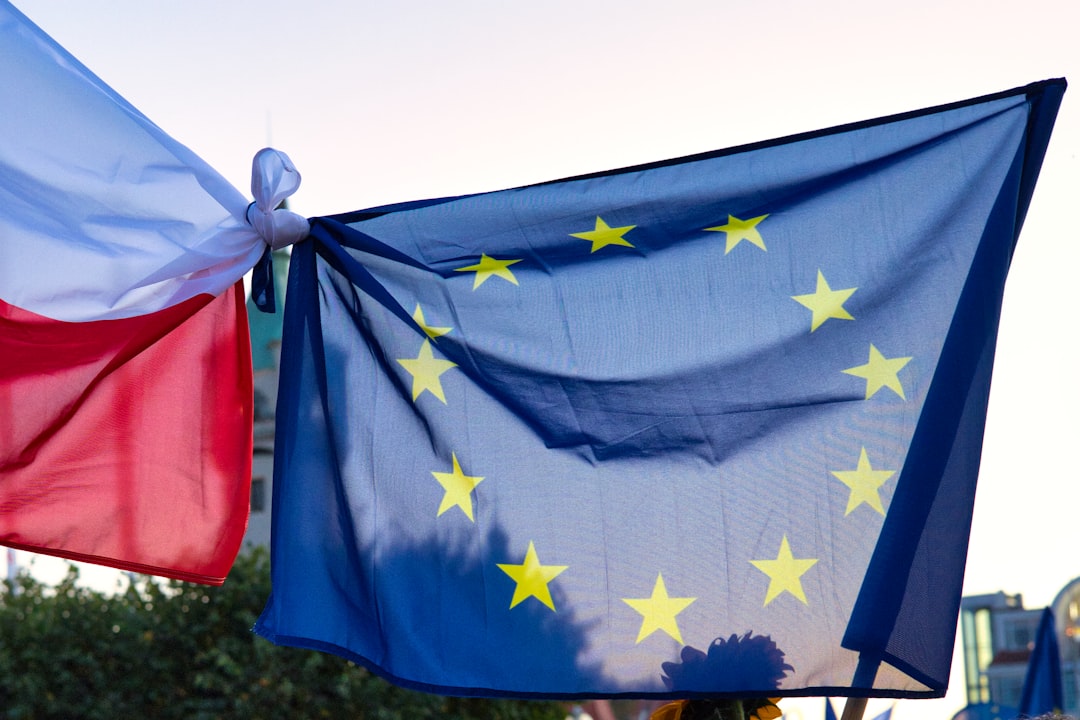
A comprehensive new study delivers hard numbers on what EU membership is actually worth: Poland's economy is 42% larger than it would have been without joining the bloc two decades ago, adding hundreds of billions in GDP and decisively refuting nationalist narratives about Brussels being a drain on member states.
The research, which analyzed Poland's economic trajectory from 2004 to 2024, found that EU membership generated sustained growth through trade access, foreign investment, structural funds, and labor mobility. That's not theoretical—it's measurable, quantifiable economic expansion that shows up in living standards, employment, and national wealth.
The 42% figure represents the difference between Poland's actual GDP and what economic models project it would have been following pre-accession growth trends. In absolute terms, that's roughly $300 billion in additional economic output over the twenty-year period. That's real money creating real jobs and real prosperity.
The mechanisms are straightforward. EU membership gave Polish companies tariff-free access to a market of 450 million consumers. Foreign direct investment surged as multinational corporations built factories and distribution centers to serve Europe from lower-cost Polish locations. Structural and cohesion funds—the much-maligned "Brussels money"—financed infrastructure upgrades that improved productivity and connectivity.
Labor mobility mattered too. Millions of Poles gained the right to work across the EU, sending remittances home and gaining skills and capital that flowed back when many returned. The brain drain narrative misses the brain circulation reality—workers who spent years in Germany or the UK brought back expertise and networks that seeded Polish businesses.
The timing of this study is politically significant. Nationalist and populist movements across Europe have built entire platforms on the premise that EU membership enriches Brussels bureaucrats while impoverishing ordinary citizens. Poland itself has experienced intense political battles over EU relations, with some factions pushing for greater sovereignty even at the cost of EU ties.
The data doesn't support that narrative. A 42% GDP premium is enormous—the kind of economic impact that shows up in everything from household incomes to government revenues to corporate balance sheets. It's the difference between a middle-income economy and a prosperous one.
Compare this to Brexit. The UK left the EU betting it could achieve better growth outside the bloc. Four years later, British GDP is measurably smaller than it would have been inside the EU, trade has declined, and foreign investment has shifted to continental Europe. Poland's experience offers the counterfactual: what sustained EU membership delivers when approached constructively.
For other Central and Eastern European members—Czech Republic, Hungary, Romania, the Baltic states—Poland's trajectory provides a template. The economic gains from EU integration are real, substantial, and durable. The 42% isn't a one-time boost; it's a structural uplift in economic capacity.
The numbers don't lie. When the rhetoric fades and you examine the data, EU membership has been an economic winner for Poland. Whether that's worth the sovereignty trade-offs is a political question, but the economic verdict is in.



