A grassroots mutual aid platform launched in Dubai has provided shelter and support to 145 people stranded by regional tensions and travel disruptions, demonstrating the resilience of the Emirates' diverse expatriate community during a crisis.
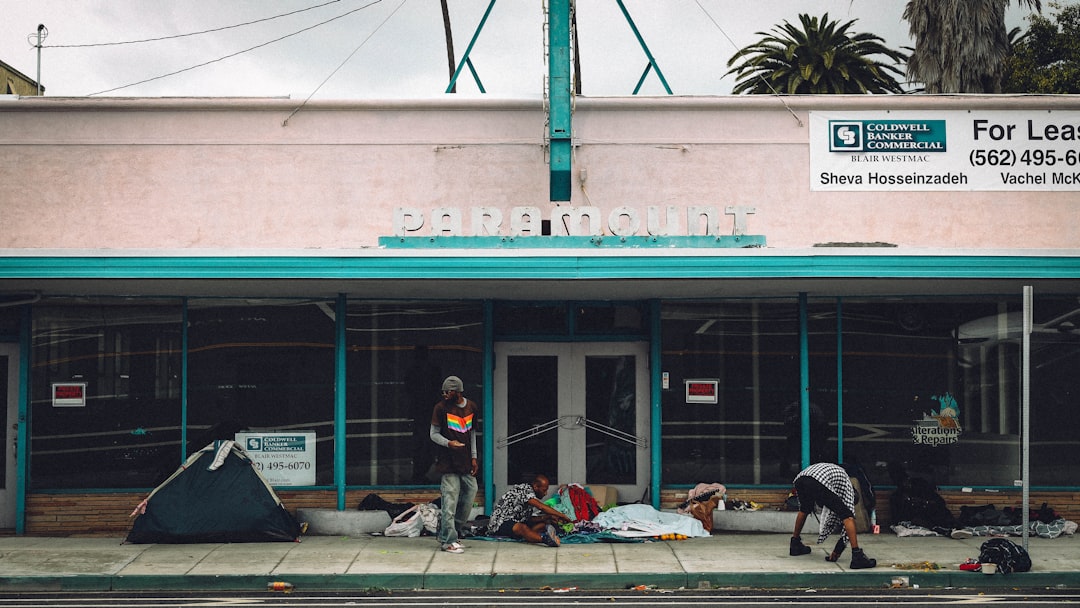
The platform, aidbnb.help, was created by a Dubai resident who saw social media posts from people unable to find accommodation or return home as airlines canceled flights and regional instability made travel uncertain. Within days of launching, the simple website connected people offering rooms, couches, and meals with those in need—no payments, no middlemen, just community solidarity.
"I kept seeing posts about people being stranded—no place to stay, no food, no support system," the platform's creator explained in a post on the r/UAE subreddit. "Instead of just scrolling, I built something."
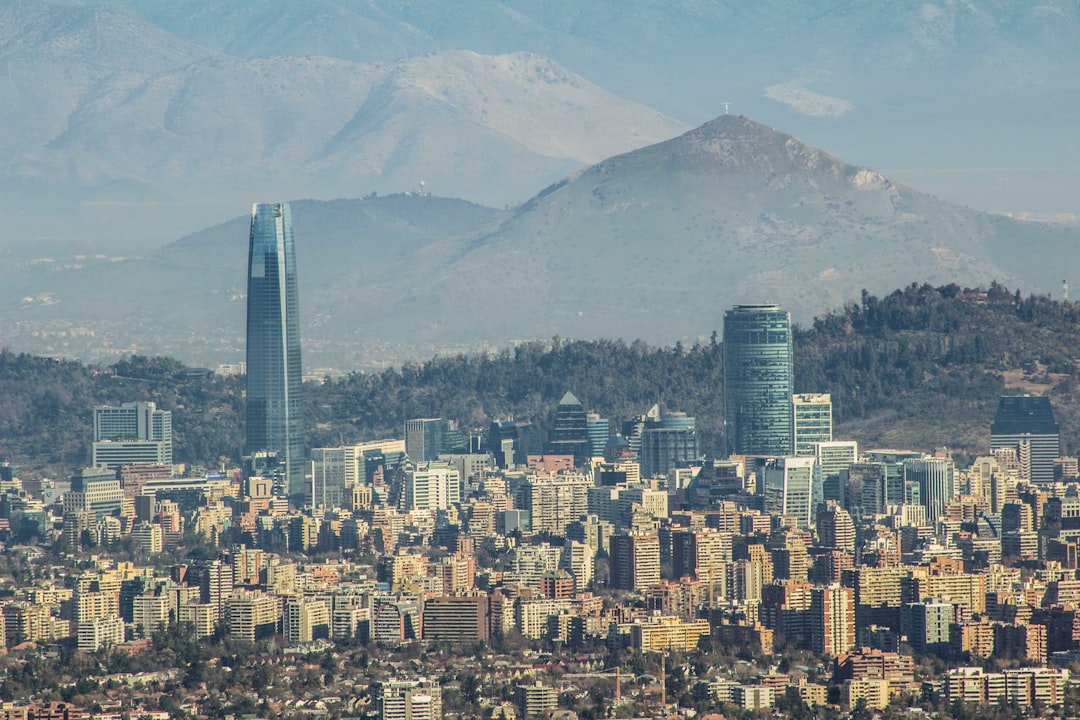
The response highlights a distinctive feature of the UAE's demographic reality: a population that is approximately 90% foreign nationals, many far from family support networks, but connected through strong community ties forged in the Emirates. In the Emirates, as across the Gulf, ambitious visions drive rapid transformation—but during crises, grassroots networks reveal the human infrastructure beneath the glass towers.
The platform operates through a simple interface where residents can list available resources—spare bedrooms, sofas, meals, transportation—while those in need can search for help. No monetary transactions occur through the site; it facilitates connections that participants arrange directly. Moderators verify basic information to prevent exploitation, but the system relies primarily on community trust.
"This is what community is," the creator wrote. "The thanks doesn't belong to me. It belongs to the people who opened their homes, the ones who shared food, and everyone who spread the word."
The initiative emerged as flight cancellations stranded thousands across the Gulf. Airlines suspended routes to Iran, Iraq, and Lebanon as regional tensions escalated, while some travelers faced visa complications or financial constraints that prevented rebooking. Hotel prices surged with demand, placing commercial accommodation beyond reach for many.

Dubai's status as a regional travel hub meant the disruptions concentrated particularly heavily in the emirate. Families visiting relatives found themselves unable to return home. Business travelers faced extended stays without employer support. Students on spring break couldn't reach universities abroad. The stranded population represented the full diversity of the Emirates' international community.
The platform's success reflects both the scale of need and the willingness of Dubai residents to help neighbors. "I have a spare room anyway," one host told the platform. "Better someone uses it than it sits empty while people sleep in airports." Others offered simpler assistance: home-cooked meals, rides to government offices, phone credit for international calls.
Community response extended beyond individual help. WhatsApp groups formed to coordinate larger efforts. Restaurants donated meals. A community center offered space for overnight stays. The r/UAE subreddit moderators allowed promotional posts, recognizing the legitimate need. Information spread through Instagram, TikTok, and word of mouth.
The crisis assistance highlights how the UAE's expatriate demographics create both vulnerabilities and strengths. While the lack of permanent residence rights means many residents have limited safety nets, the constant churn of arrivals and departures creates communities practiced at mutual aid. Newcomers remember their own difficult transitions; established residents maintain networks that activate during emergencies.
"In my home country, family would help," one stranded traveler explained. "Here, I found strangers who became family." The sentiment echoed across testimonials shared on the platform and social media.
The grassroots response contrasts with relatively limited official emergency assistance. While government text messages assured residents of security, no large-scale shelter program emerged for stranded travelers. The UAE's social safety net focuses on citizens, leaving the vast expatriate majority to rely on employers or personal resources during crises.
As of publication, the platform shows 145 people successfully connected with assistance, though the creator notes that number represents only confirmed matches—actual help provided likely exceeds that figure as connections move offline. New listings continue arriving as uncertainty about regional stability persists.
The initiative may outlast the immediate crisis. Several participants suggested expanding the platform for other needs—newcomers seeking temporary housing, people between jobs needing short-term support, emergency situations beyond travel disruptions. The infrastructure created for this crisis could serve broader community resilience.
For now, the platform stands as evidence that Dubai's transformation into a global business hub hasn't erased the human connections that make cities livable during difficult times—it's simply changed how those connections form and activate.