
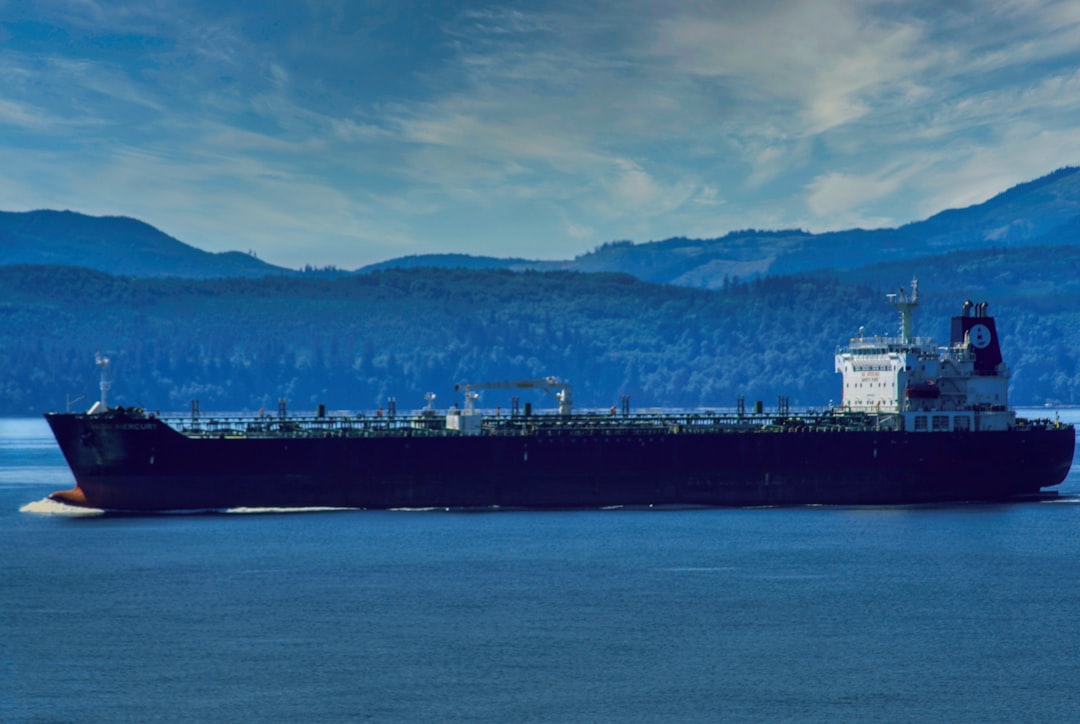
When 22 countries issue a joint statement begging another country to reopen a shipping lane, you know the situation is serious. And when that shipping lane handles roughly 20% of the world's oil supply, it's time to pay attention to what this means for your wallet.
The Strait of Hormuz - that narrow waterway between Iran and the Arabian Peninsula - has been effectively closed by Iranian military action. The international community's response? A strongly worded letter signed by 22 nations warning of "global repercussions" and asking nicely for Iran to please stop.
Color me skeptical about how effective that's going to be.
Let's cut through the diplomatic language and talk about what this actually means for investors. First, oil prices. The market has already priced in some disruption - crude has been climbing steadily. But here's what most people are missing: the longer this drags on, the more it's not just about oil prices. It's about inflation, Fed policy, and every assumption we've made about interest rates for 2026.
Energy costs ripple through everything. Transportation costs go up. Manufacturing costs go up. Food prices go up because farming and distribution both depend on fuel. The Fed was already walking a tightrope trying to get inflation down without triggering a recession. Now they're trying to walk that tightrope while someone shakes it.
If oil stays elevated or goes higher, the Fed's hands are tied. They can't cut rates aggressively to support growth because inflation will stay sticky. That means your mortgage refinance plans might need to wait. That means corporate profit margins get squeezed. That means the soft landing everyone was pricing in becomes a lot harder to achieve.
So what's an investor supposed to do? The obvious play is energy stocks, and plenty of people are piling into those. But here's the thing about obvious plays: they get crowded fast, and when the situation resolves - and it will eventually - those gains can evaporate quickly.
The smarter move might be defensive positioning. Consumer staples, healthcare, utilities - the boring stuff that holds up when the market gets nervous. These sectors don't shoot the lights out when times are good, but they don't crater when geopolitics goes sideways either.
Also worth considering: companies with locked-in energy contracts or low energy intensity. Tech companies that run lean data centers, service businesses that don't ship physical goods, companies that hedged their fuel costs. These are the businesses that won't see their margins destroyed by $120 oil.
The joint statement from 22 countries emphasizes that "the effects of Iran's actions will be felt by people in all parts of the world, especially the most vulnerable." That's diplomatic speak for: this is going to hurt, and it's going to hurt everywhere.
Here's what I'm watching: how long this lasts. A two-week disruption is painful but manageable. A two-month disruption changes the entire economic picture for 2026. The longer shipping stays disrupted, the more you'll see supply chain issues compounding with energy price inflation.
The market is still treating this as a temporary crisis. I'm not so sure. The diplomatic language suggests nobody has a quick solution, and Iran clearly isn't sweating a strongly worded letter from two dozen countries.
Twenty percent of global oil supply doesn't get replaced overnight. And your portfolio needs to reflect that reality, not wishful thinking about diplomatic breakthroughs.