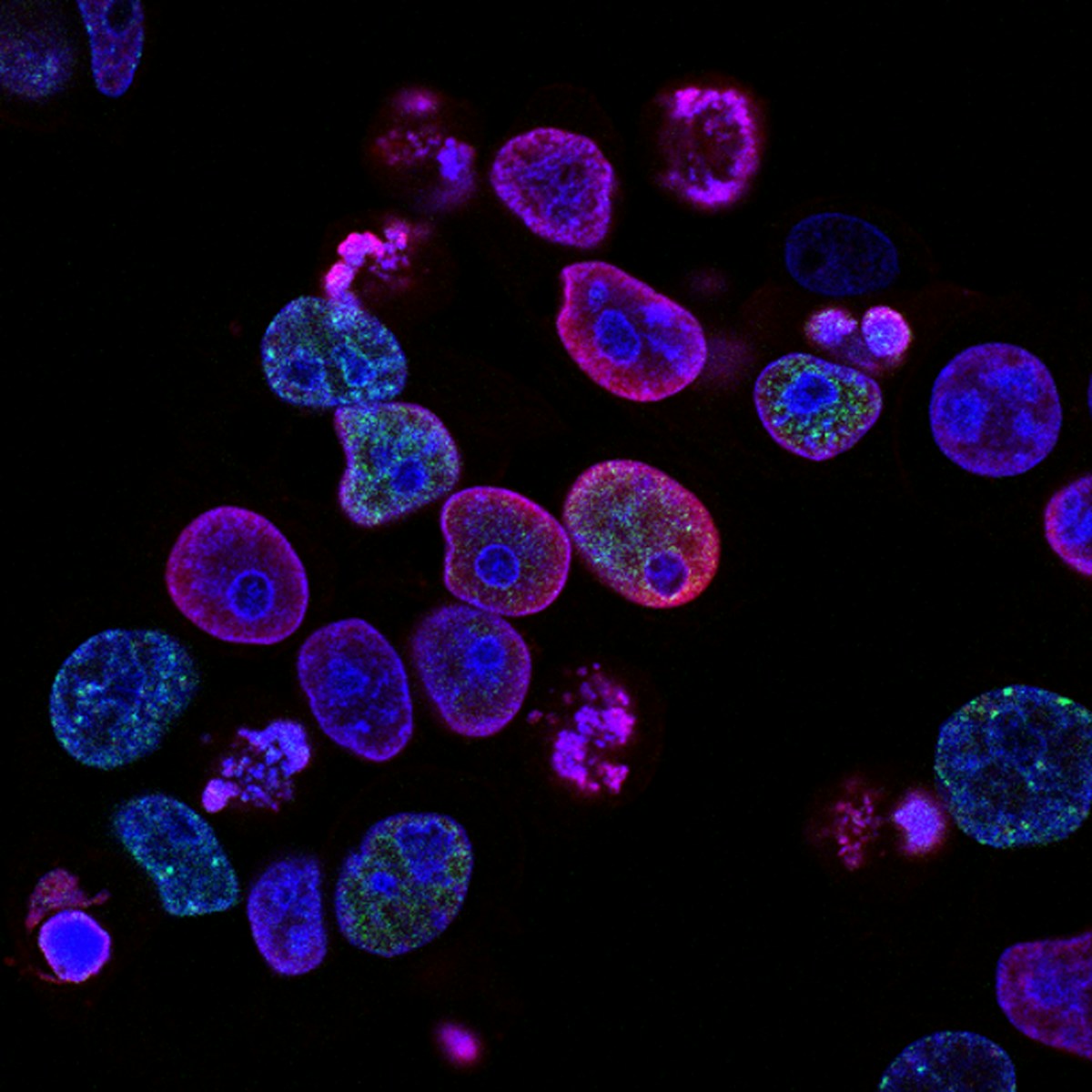
Japan has approved two groundbreaking stem cell treatments for Parkinson's disease and heart failure, marking the world's first commercially available medical products using induced pluripotent stem (iPS) cells—the technology that won scientist Shinya Yamanaka the 2012 Nobel Prize.
This is genuinely significant. Not "revolutionary" in the way press releases use the term, but actually representing a major milestone in regenerative medicine that's been decades in the making.
The first treatment, Amchepry, manufactured by Sumitomo Pharma, transplants stem cells directly into patients' brains to replace the dopamine-producing neurons lost in Parkinson's disease. The second, ReHeart, developed by startup Cuorips, uses heart muscle sheets to form new blood vessels and restore cardiac function in severe heart failure patients.
Both therapies received "conditional and time-limited approval" from Japan's health ministry and are expected to reach patients by summer 2026.
Let's talk about what makes this real versus vaporware. The Parkinson's treatment underwent a trial with seven patients aged 50-69 at Kyoto University. Participants received either 5 or 10 million cells implanted in both brain hemispheres. Results showed no major adverse effects over two years, with four patients experiencing symptom improvements.
Those are small numbers—seven patients is a pilot study, not a definitive trial. But the "conditional approval" designation is actually appropriate here: the regulatory framework acknowledges that for treatments targeting conditions with limited options, you can approve based on preliminary evidence while requiring continued monitoring and further studies.
The technology itself—iPS cells—is fascinating from an engineering perspective. Unlike embryonic stem cells, which require destroying embryos and carry ethical controversies, iPS cells are created by reprogramming adult cells back to a pluripotent state. That means you can generate patient-specific stem cells without the immune rejection issues that plagued earlier approaches.
's 2012 Nobel Prize recognized the fundamental breakthrough, but there's always a massive gap between and The fact that we're now seeing commercially available treatments based on this technology—15 years after the Nobel—shows how long it takes to translate basic research into actual therapies.