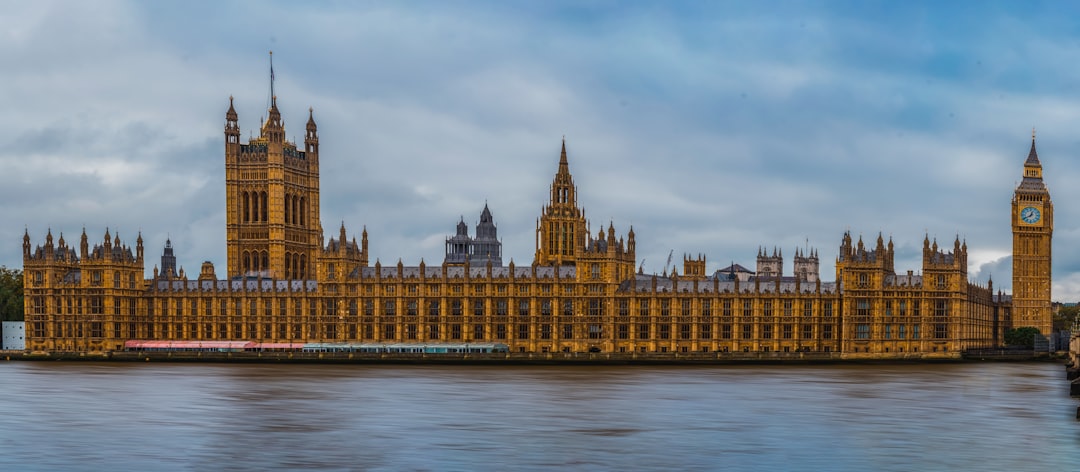
Keir Starmer announced Wednesday that Britain will seek closer ties with the European Union in response to the escalating crisis in the Persian Gulf, marking the most significant shift in UK-EU relations since Brexit became operational.
The Prime Minister's statement, delivered during a Downing Street press conference, comes as Iran threatens to close the Strait of Hormuz—a chokepoint through which 20 percent of the world's oil passes—leaving Britain scrambling to coordinate energy security without the institutional architecture it abandoned four years ago.
"The current crisis has made clear that Britain's security and prosperity are inseparable from Europe's," Starmer said, in language that would have been unthinkable under his predecessors. "We will be seeking deeper cooperation on energy security, defence, and foreign policy coordination."
As they say in Westminster, "the constitution is what happens"—precedent matters more than law. And this represents a precedent indeed. The last time a Labour Prime Minister spoke of drawing closer to Brussels was Gordon Brown signing the Lisbon Treaty in 2007, before the financial crisis made European integration a toxic subject in British politics.
What remains unclear is what "closer ties" actually means in practice. Downing Street insists this does not represent a return to the single market or customs union—the red lines that have defined British politics since the 2016 referendum. Instead, government sources point to enhanced security cooperation, energy infrastructure coordination, and regularised diplomatic consultation.
But the timing tells its own story. Britain finds itself leading a 30-nation coalition to reopen the Strait of Hormuz whilst simultaneously courting European partners whose security architecture it recently left. It's the diplomatic equivalent of trying to run two separate dinner parties in the same house—you can insist they're completely independent affairs, but everyone can hear the conversation from the other room.