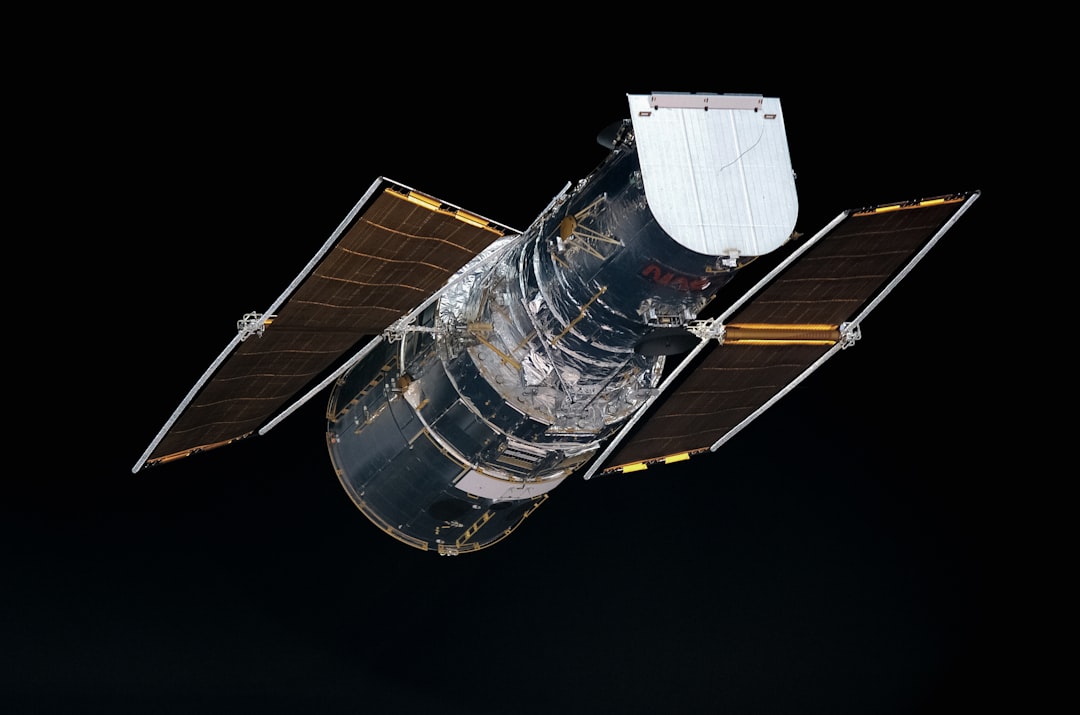
A Starlink satellite broke apart into tens of objects in orbit, marking another unexplained explosion in SpaceX's satellite constellation. The company confirmed the "anomaly" as tracking systems detect the debris field.
SpaceX has launched thousands of satellites with the promise of reliable internet from space. But if satellites are exploding for unknown reasons, that's not just a business problem—it's a cascading debris risk that affects everyone operating in orbit.
Space debris isn't like terrestrial pollution where the damage is localized. In orbit, a single piece of debris traveling at 17,000 mph can destroy an operational satellite, creating more debris, which destroys more satellites, in a cascade known as Kessler Syndrome. This isn't theoretical—it's the nightmare scenario that keeps space agencies awake at night.
SpaceX has positioned Starlink as a model of responsible space operations. The satellites are in low Earth orbit, where atmospheric drag naturally deorbits dead satellites within a few years. They have ion thrusters for active deorbiting. The company has emphasized that they take debris concerns seriously.
But when satellites explode—and we don't know why they're exploding—those assurances ring hollow. An explosive breakup creates debris in unpredictable orbits. Some of it might deorbit quickly. Some of it might persist for years. All of it poses collision risks to other satellites.
This isn't the first Starlink satellite to experience an unexplained breakup. It's part of a pattern. And patterns in engineering failures usually indicate systematic issues, not random flukes. Possible causes range from battery failures to micrometeorite impacts to design flaws that only manifest under specific conditions in orbit.
The challenge for SpaceX is that they've built a constellation at unprecedented scale—over 5,000 satellites currently in orbit, with plans for tens of thousands more. If there's a systematic reliability issue affecting even a small percentage of satellites, the absolute numbers become concerning very quickly.
One space debris researcher noted that the current tracking systems can detect the breakup and monitor large debris fragments, but smaller pieces—still large enough to destroy a satellite on impact—often go untracked. We might not know the full extent of the debris field.