A recent r/digitalnomad post has sparked debate about workspace etiquette and money-saving strategies: Starbucks now offers unlimited drip coffee refills if you stay at the location—turning a $3.25 coffee into an all-day workspace pass.
The poster explained the policy: "Starbucks is now offering unlimited free refills on their drip coffee IF you stay at the location. Apparently, they're trying to push a coffee house vibe since everyone views them as a corporate to-go place."
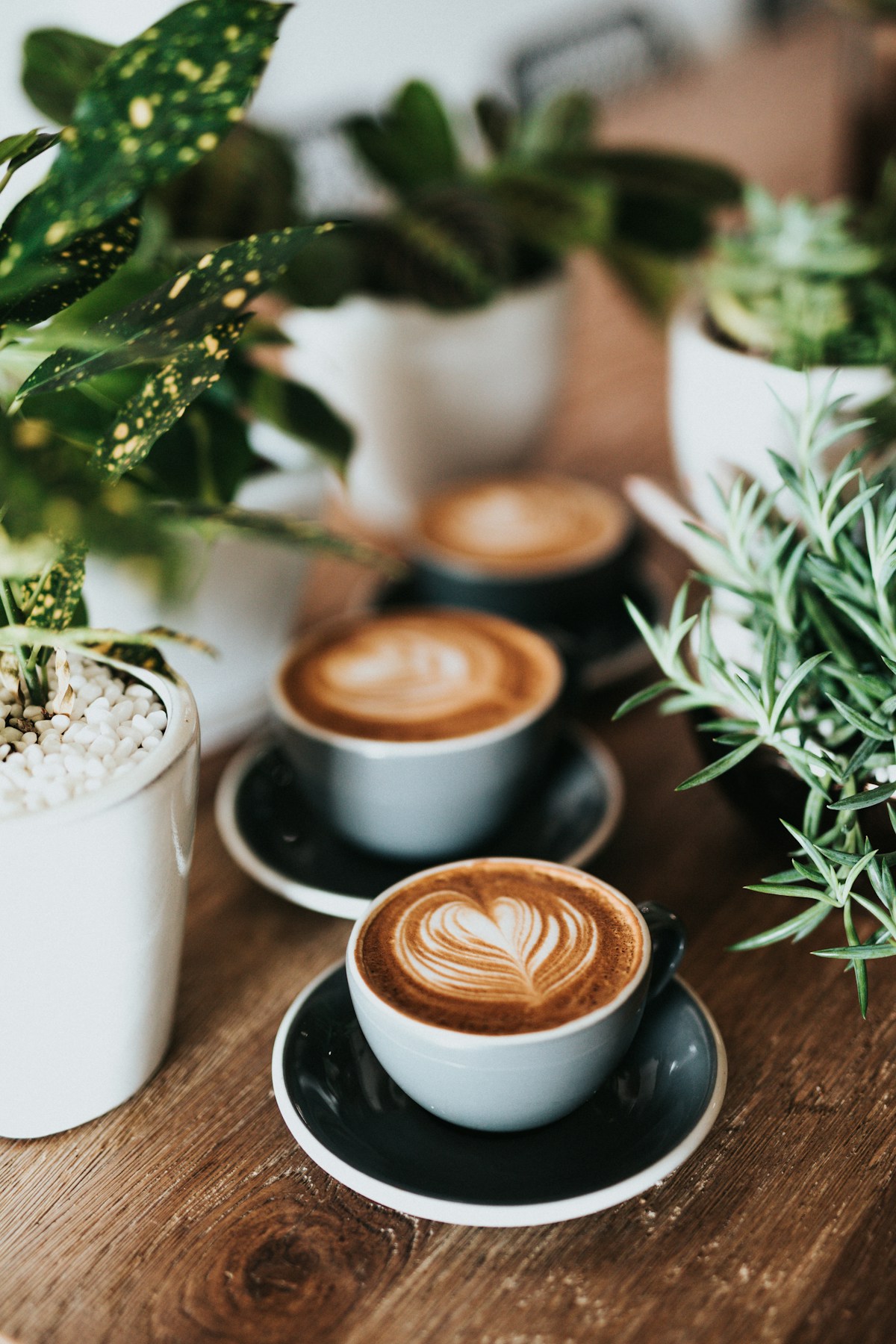
The deal includes custom pour-overs in ceramic mugs, positioning Starbucks as a legitimate coworking alternative. For digital nomads and remote workers, it's a significant cost savings compared to coworking spaces ($100-300/month) or repeatedly ordering drinks at independent cafes.
But the post also highlighted an ethical tension in the digital nomad community: when is it okay to camp out with one purchase, and when does it cross into taking advantage?
The original poster drew a clear line: "Don't do this at boutique coffee shops."
"I'm working out of a boutique coffee shop 3-5 times per week. I'll start with a cappuccino, maybe get some food after an hour, maybe another drink before I leave. I keep the purchases flowing. These are small businesses—don't take advantage of them!"
For large chains like Starbucks? "Who cares?" The sentiment reflects a common digital nomad philosophy: mega-corporations can handle the laptop crowd; small independents need protection.
The ethics of cafe working have been debated for years. WorkFrom's cafe etiquette guide suggests spending $5-10 per 2-3 hours, avoiding peak lunch/breakfast rushes, giving up your table if the cafe fills up, tipping well (20%+ if staying hours), asking permission for longer stays, and not monopolizing outlets or large tables during busy periods.
The Starbucks unlimited refill policy appears designed to recapture the "third place" concept—spaces between home and work where people gather. With remote work exploding and coworking memberships feeling expensive, Starbucks is positioning itself as a free alternative.
For Starbucks, the math likely works. A customer buying one $3.25 coffee and staying six hours might refill 3-4 times, costing the company maybe $4-5 in product. But that customer potentially buys food ($8-12 margin), creates the "busy cafe" atmosphere that attracts other customers, builds brand loyalty and routine, and represents potential repeat business.
Digital nomads on Nomad List increasingly factor cafe culture into destination choices. Cities like Chiang Mai, Lisbon, Mexico City, and Bali are popular partly because of abundant cafes with good WiFi and laptop-friendly policies.
But the rapid growth of digital nomadism is straining local cafe culture in these hotspots. In Lisbon, some independent cafes have implemented laptop bans during peak hours after being overwhelmed by remote workers occupying tables for entire days.
The backlash has led to a growing emphasis on "laptop-free" cafes and community guidelines about respecting small businesses.
Digital Nomad Community Consensus:
1. Big chains (Starbucks, Costa, etc.): Fair game for long working sessions with one purchase 2. Indie cafes with strong WiFi marketing: Rotation or multiple purchases expected 3. Traditional local cafes: Should be left for locals and tourists, not used as offices 4. Coworking cafes: Designed for this; follow their stated policies
Some nomads argue that coworking memberships ($100-200/month) are worthwhile investments that support local economies properly, provide community and networking, offer better ergonomics and facilities, and remove ethical concerns about space-hogging.
Others counter that cafe working is part of legitimate public space use and point out that many successful startups were built in coffee shops. Airbnb was famously developed in San Francisco cafes.
The Starbucks unlimited refill policy might represent a middle ground: a clearly defined arrangement where both parties benefit. Remote workers get affordable workspace; Starbucks gets foot traffic and food sales.
Just don't try the same approach at your local independent roaster—they're already struggling with rising rents and wholesale costs. As the original poster put it: "These are small businesses—don't take advantage of them!"