Sri Lanka is challenging the assumption that serious wildlife viewing requires expensive African safaris, according to recent trip reports documenting unexpectedly rich animal encounters at a fraction of traditional safari costs.
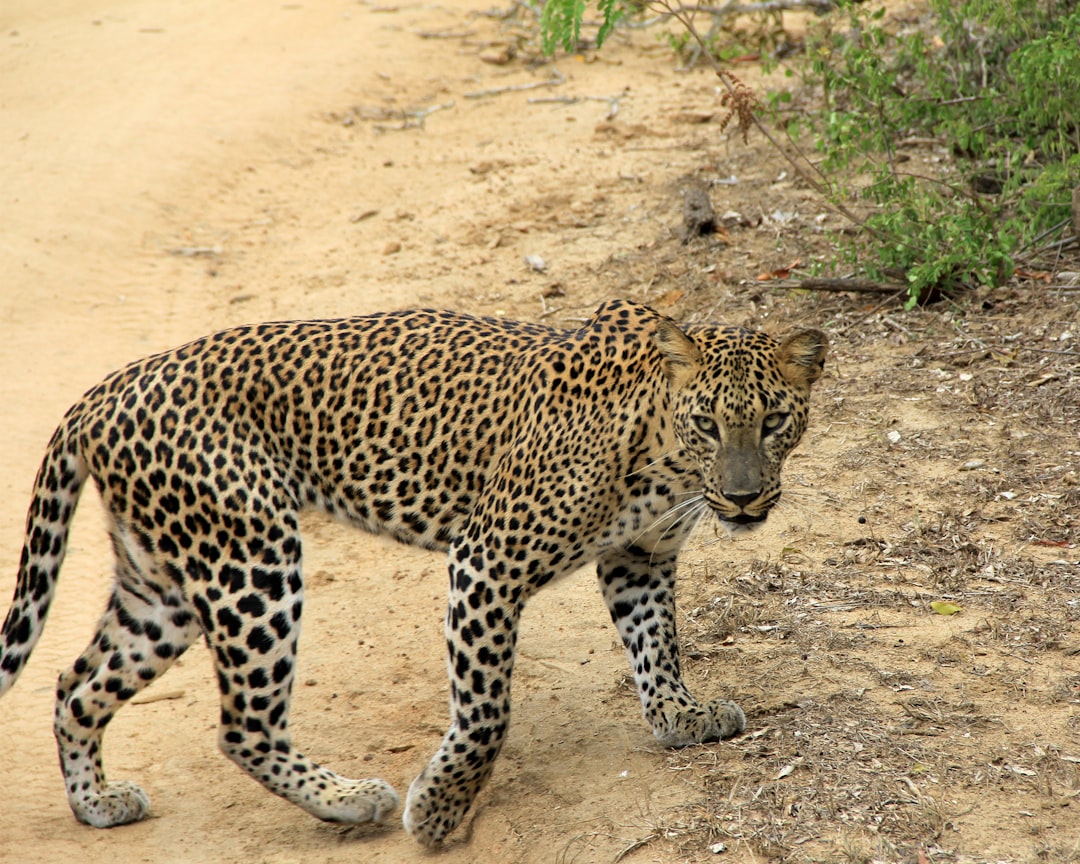
One traveler who visited a Sri Lankan national park on a local's recommendation reported seeing spotted deer, water buffalo, monitor lizards, crocodiles, baby elephants, and even a leopard moving across rocks in just a few hours during a morning visit.
"I haven't traveled to Africa yet, but based on a local's recommendation we decided to visit a national park in Sri Lanka — and honestly, I didn't expect to see this much wildlife," they wrote. "I was honestly surprised by how much we saw in just a few hours."
The experience offers several advantages over traditional African safaris. Cost is the most obvious: while a week-long safari in Kenya or Tanzania can easily exceed $3,000-$5,000 per person, Sri Lankan national parks offer similar wildlife diversity for a fraction of that cost.
Yala National Park, one of Sri Lanka's most famous wildlife destinations, has one of the highest leopard densities in the world. Other parks like Udawalawe offer elephant viewing, while Wilpattu provides opportunities to spot sloth bears alongside leopards and elephants.
Accessibility is another major factor. Sri Lanka's compact size means travelers can combine wildlife viewing with beach relaxation, cultural sites, and tea plantations in a single trip. The island's well-developed tourist infrastructure makes independent travel straightforward, unlike some African safari destinations that require extensive planning or tour packages.
The animals were active during the morning visit, reinforcing the universal safari wisdom: early starts yield the best wildlife encounters. Most Sri Lankan park safaris depart around 5:30-6:00 AM when animals are most active before the heat of the day.
For budget travelers or those making their first wildlife safari, Sri Lanka presents a compelling alternative. The country offers the thrill of seeing megafauna like elephants and leopards in their natural habitat, diverse ecosystems from dry forests to wetlands, and the possibility of multiple animal encounters in relatively short timeframes.
The best time for wildlife viewing in Sri Lanka is during the dry season (May to September for Yala, December to March for other parks) when animals congregate around water sources, making sightings more predictable.
While African safaris remain unmatched for certain experiences like the Great Migration or gorilla trekking, Sri Lanka proves that world-class wildlife viewing doesn't require a world-class budget.