Sri Lanka has introduced modern low-floor buses with contactless payment systems on two Colombo routes, marking a visible sign of the island nation's slow recovery from economic collapse.
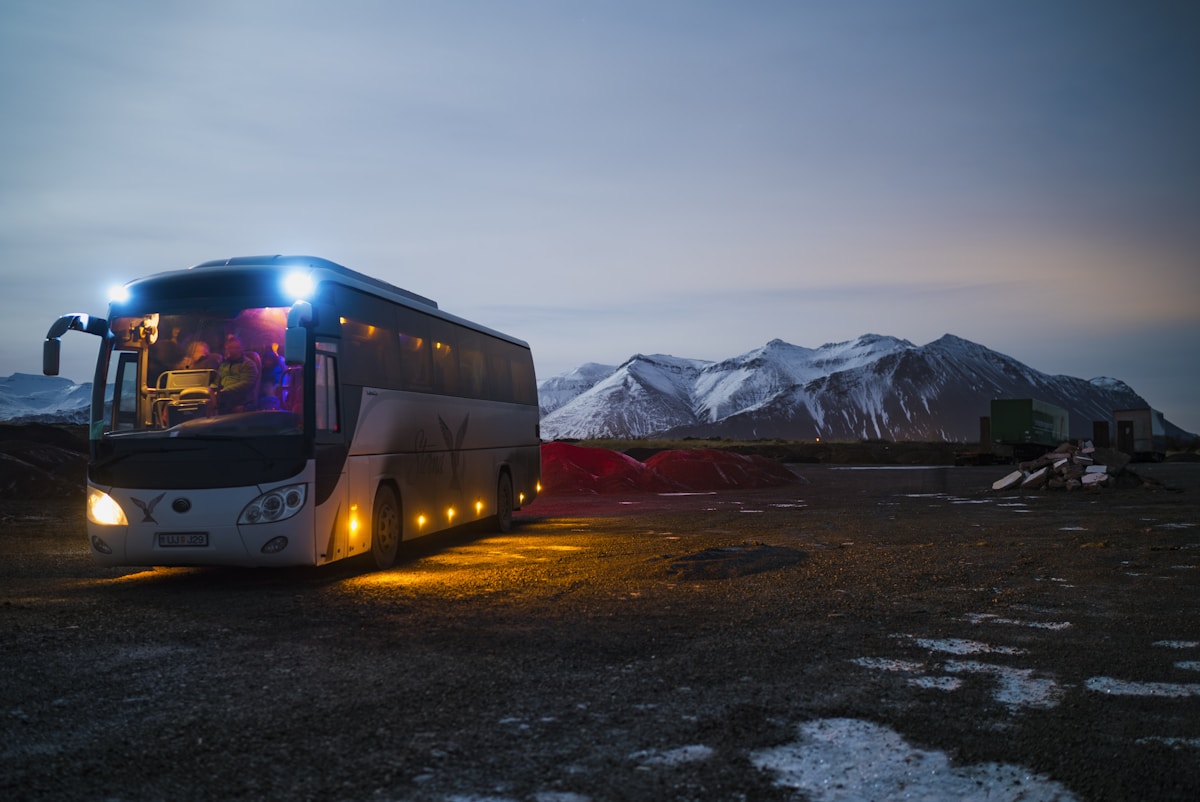
The buses, operated by Sri Lanka Transport Board in collaboration with Metro company, run on the Pettah-Makumbura and similar routes. They feature wheelchair accessibility, air conditioning, and the ability to pay by card—basic amenities that feel revolutionary in a country where public transport has barely changed in decades.
Dinesh Perera, who commutes from Pettah to Isurupaya for work, rode one of the new buses. "It was actually comfortable," he said, surprised. "I paid Rs. 185 by card. The bus was on time, the driver was professional, and I didn't have to scramble for exact change."
Right now, it's just these two routes with five buses each. More buses are expected in August.
But not everyone is celebrating. Gemunu Wijeratne, chairman of the Lanka Private Bus Owners' Association, has raised concerns about the new service competing with private operators. According to Newswire.lk, private bus operators argue the government-subsidized buses undercut their business model.
This tension exposes the real story: Sri Lanka's economic recovery requires modernization, but modernization threatens entrenched interests that profited from the old system.
Private bus operators have long dominated Sri Lankan public transport, running aging vehicles with inconsistent service and safety standards. They oppose government competition not because the new buses are bad for passengers—they're obviously better—but because they threaten profit margins.
Anjali Fernando, a wheelchair user, has a different perspective. "I haven't been able to take a bus in years," she said. "The old buses have steps I can't climb. This low-floor bus means I can actually travel independently. That's worth more than any operator's profit."
A billion people aren't a statistic—they're a billion stories. For Anjali, these buses aren't about economic policy debates. They're about dignity and independence.
Sri Lanka's economic crisis in 2022-2023 brought the country to its knees. Fuel shortages, currency collapse, and soaring inflation forced the government to seek an IMF bailout. Recovery has been slow and painful.
These buses represent a small but symbolic step. The government is using recovery funds not just to stabilize macroeconomic indicators but to deliver visible improvements to ordinary citizens' daily lives.
The political battle with private operators will continue. But for now, riders like Dinesh and Anjali are experiencing something Sri Lankans haven't felt in years: optimism that things might actually get better.
Ten modern buses won't fix Sri Lanka's economy. But they prove the government can deliver tangible improvements despite opposition from vested interests. That matters more than the buses themselves.