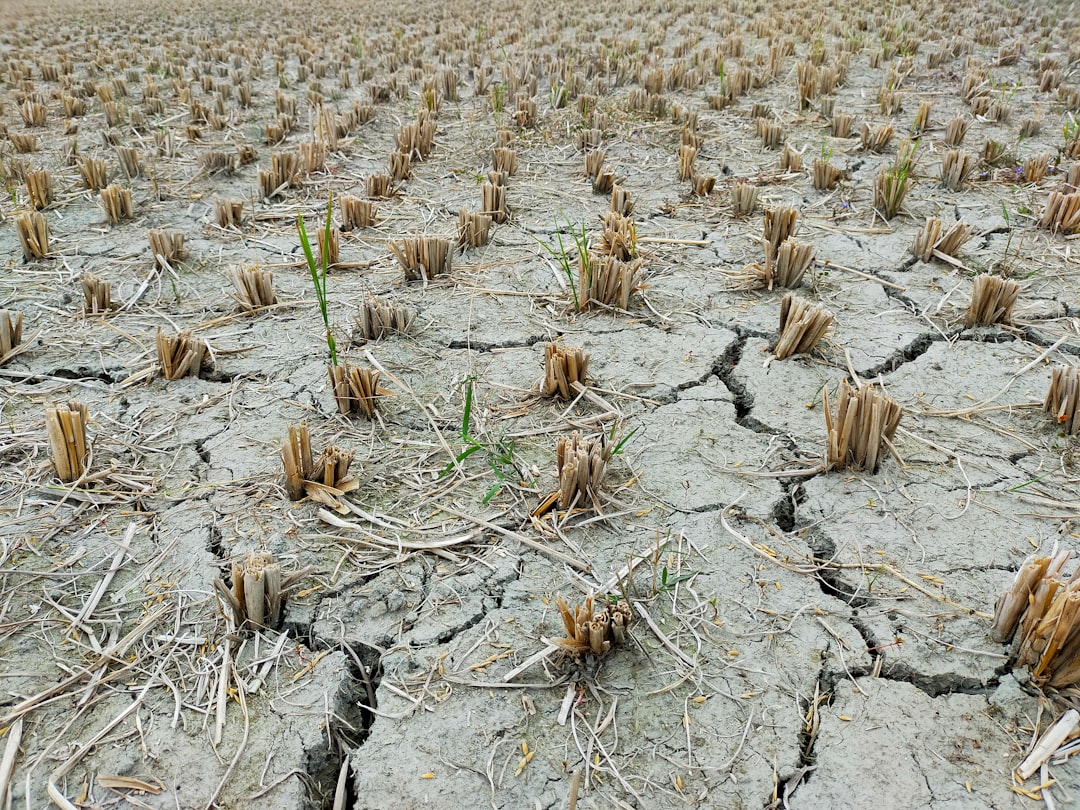
A spreading spring drought across the Great Plains is withering wheat crops and forcing ranchers to thin cattle herds, threatening to add fresh inflationary pressure to food prices just as the Federal Reserve debates its next move on interest rates.
The drought is hitting at the worst possible time for an agricultural sector already squeezed by high input costs, elevated interest rates, and volatile commodity markets. Wheat futures have jumped in recent weeks as traders price in reduced yields, while cattle futures reflect concerns about herd liquidation that could spike beef prices later this year.
Here's the economic chain reaction: Drought forces ranchers to sell cattle early because they can't afford feed or don't have enough grazing land. That creates a short-term glut that temporarily depresses cattle prices. But six months from now, when those herds are gone, beef prices spike because there's less supply. Consumers feel it at the grocery store, and the Fed watches core inflation tick higher.
The wheat situation is more immediate. Kansas, Oklahoma, and Texas the heart of the winter wheat belt are seeing crops rated in poor or very poor condition. These states produce the bulk of America's hard red winter wheat, the variety that goes into bread flour. A failed harvest here means higher prices for everything from sandwich bread to pizza dough.
For investors, the implications ripple across multiple sectors. Agricultural equipment makers like Deere & Company face headwinds as farmers postpone capital expenditures. Fertilizer companies see reduced demand when crops aren't planted. Food manufacturers and grocery chains confront margin pressure from rising commodity costs.
The timing is particularly bad for farm lenders. Many agricultural loans are tied to harvest revenue, and a drought-reduced crop means farmers struggle to make payments. Rural banks with heavy agricultural exposure could see rising delinquencies just as higher interest rates squeeze their net interest margins.
There's also a macroeconomic dimension that Wall Street can't ignore. The Fed is trying to engineer a soft landing, balancing growth against inflation. Food prices are a key component of the consumer price index, and agricultural commodity shocks have derailed monetary policy before. If drought-driven food inflation keeps core CPI elevated, it gives hawks on the Federal Reserve board ammunition to keep rates higher for longer.