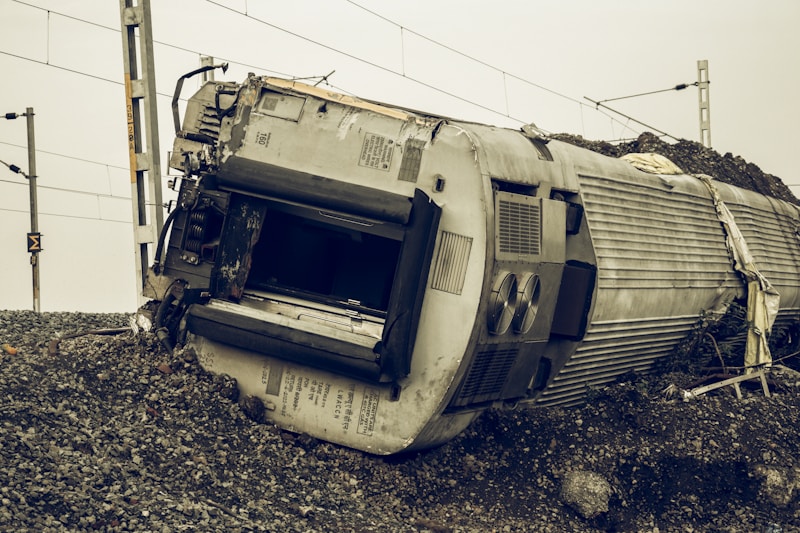
At least 40 people were killed when two high-speed trains collided in Spain on Sunday, in one of the country's deadliest rail disasters in recent decades.
The collision occurred in the early evening near Zamora, a city in northwestern Spain approximately 250 kilometers from Madrid, according to Reuters, citing Spanish state broadcaster RTVE.
Emergency services reported that dozens of additional passengers sustained injuries, with at least 15 people in critical condition being transported to hospitals in Zamora and Valladolid. The death toll is expected to rise as rescue workers continue to search the wreckage.
Spanish Prime Minister Pedro Sánchez expressed condolences to the victims' families and announced that he was cutting short a visit to Brussels to return to Madrid and coordinate the government's response. "Spain is in mourning," Sánchez wrote on social media. "All our support to the families and those injured in this terrible tragedy."
Preliminary reports suggest both trains were operating on Spain's high-speed AVE network, which connects major cities across the country at speeds up to 310 kilometers per hour. Investigators have not yet determined the cause of the collision, though Spanish Transport Minister Óscar Puente said authorities were examining whether a signaling failure may have contributed to the crash.
The collision occurred on a straight section of track, raising questions about how two trains traveling in opposite directions could have ended up on the same line. Spanish rail operator Renfe said in a statement that both trains had passed all required safety checks before departing their respective stations.

To understand today's headlines, we must look at yesterday's decisions. Spain has invested heavily in high-speed rail infrastructure over the past three decades, building one of Europe's most extensive networks. The AVE system has maintained a strong safety record, with no fatal accidents involving high-speed trains since the network's launch in 1992—until a devastating derailment near Santiago de Compostela in 2013 killed 80 people.
That earlier disaster, caused by excessive speed on a curve, led to significant reforms in Spanish rail safety protocols, including enhanced automatic braking systems and stricter speed controls. Sunday's collision raises questions about whether additional safety measures are needed, particularly concerning signaling and track management.
Rescue operations continued through the night, with more than 200 emergency personnel deployed to the scene. The Spanish Red Cross established a crisis center in Zamora to assist families searching for information about loved ones who were traveling on the affected trains.
European Commission President Ursula von der Leyen expressed solidarity with Spain, saying the European Union "stands ready to provide any assistance needed." Leaders from across Europe offered condolences as details of the tragedy emerged.
The collision is likely to prompt renewed scrutiny of rail safety protocols across Europe, where high-speed networks have proliferated in recent years. While such networks generally maintain excellent safety records, the consequences when failures occur can be catastrophic given the speeds involved.
Spanish authorities have opened a formal investigation into the crash, with findings expected to take several months. In the meantime, a nation that has prided itself on its modern rail infrastructure confronts a sobering reminder that technology and safety systems, however advanced, remain dependent on human oversight and vulnerable to failure.