If you've got a 401(k) that tracks the S&P 500, congratulations—you're about to become an involuntary Elon Musk investor with zero recourse if things go sideways.
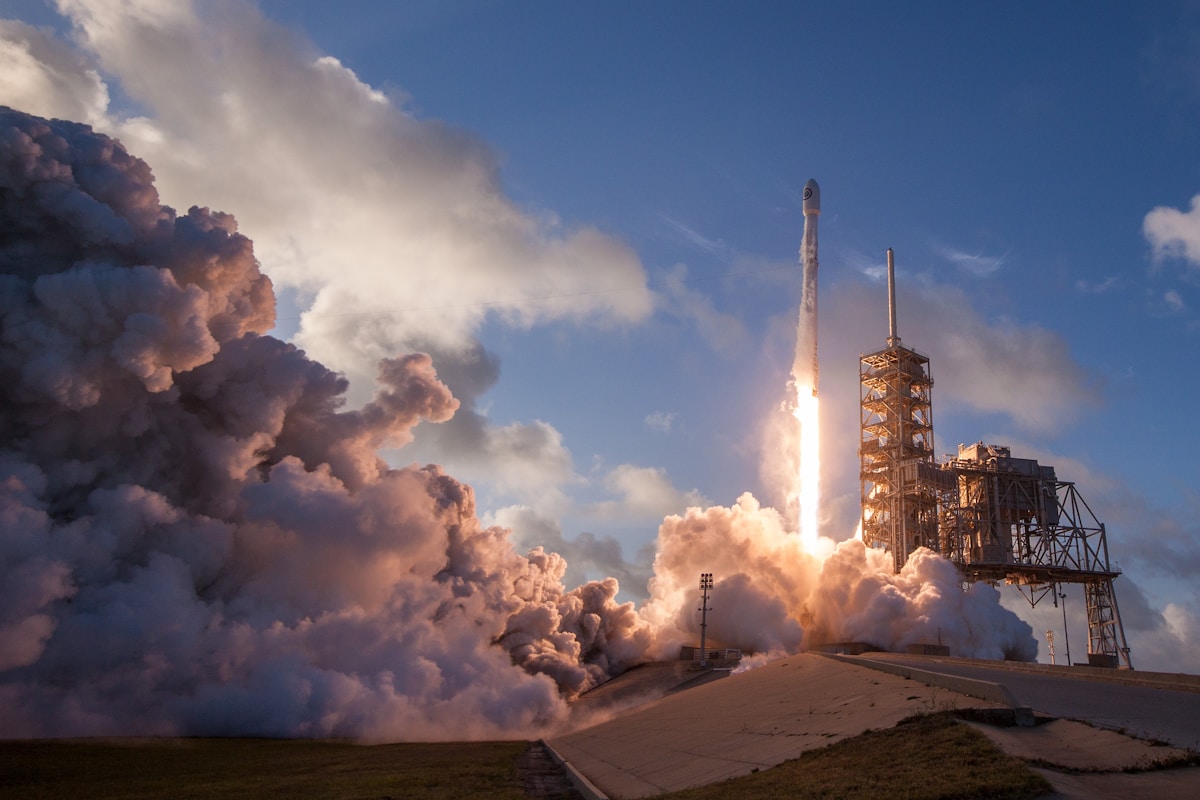
SpaceX is going public, and the IPO filing includes some of the most extreme governance provisions Wall Street has seen in years. According to reports from Reuters, anyone who buys shares will "irrevocably and unconditionally" waive their right to sue the company, its directors, or its officers. Class action lawsuits? Banned. Jury trials? Forget it.
Here's the part that should make your financial advisor sweat: SpaceX is getting fast-tracked into the S&P 500. That means passive index funds—the ones in millions of retirement accounts—will automatically buy SpaceX shares whether their holders want them or not. You don't get a vote. You just get exposure.
Elon Musk will retain over 50% of voting control after the IPO, giving him the power to elect or remove any board member at will. He'll be both CEO and board chairman. The company will be classified as a "controlled company" under securities rules, which means it doesn't have to follow the usual requirement for independent directors on key committees.
Translation: Musk answers to no one.
Bruce Herbert, CEO of Newground Social Investment, told Reuters that the structure "closes the voting door, the courthouse door and the proposal door simultaneously. It's unprecedented in terms of creating a total lack of accountability."
The SOC Investment Group, which advises pension funds, is already sounding alarms. They're specifically concerned that "SpaceX's IPO will expose numerous investors—many unwillingly—to a company whose value may decline once its financial disclosures can be independently assessed and verified."
Let's be clear: this isn't about whether SpaceX builds good rockets. It's about what happens when a company with this kind of governance structure gets auto-bought by every index fund in America. Your retirement money becomes exit liquidity for early investors, and you have zero legal recourse if the valuation craters once actual financial transparency kicks in.
If SpaceX's financials are as solid as Musk claims, why the need for ironclad lawsuit protections? If the governance is sound, why strip shareholders of every traditional remedy?
The SEC hasn't commented on whether it will scrutinize this structure. SpaceX's IPO filing is confidential, so detailed financials aren't public yet. But institutional investors are already mobilizing to shield their funds from automatic exposure.
So what does this mean for you? If you own an S&P 500 index fund—and most people do—check whether your fund provider has mechanisms to exclude controlled companies or limit exposure to IPOs with extreme governance red flags. Some pension funds are already exploring options. You should too.
Because once SpaceX hits the index, your money is along for the ride whether you like it or not.