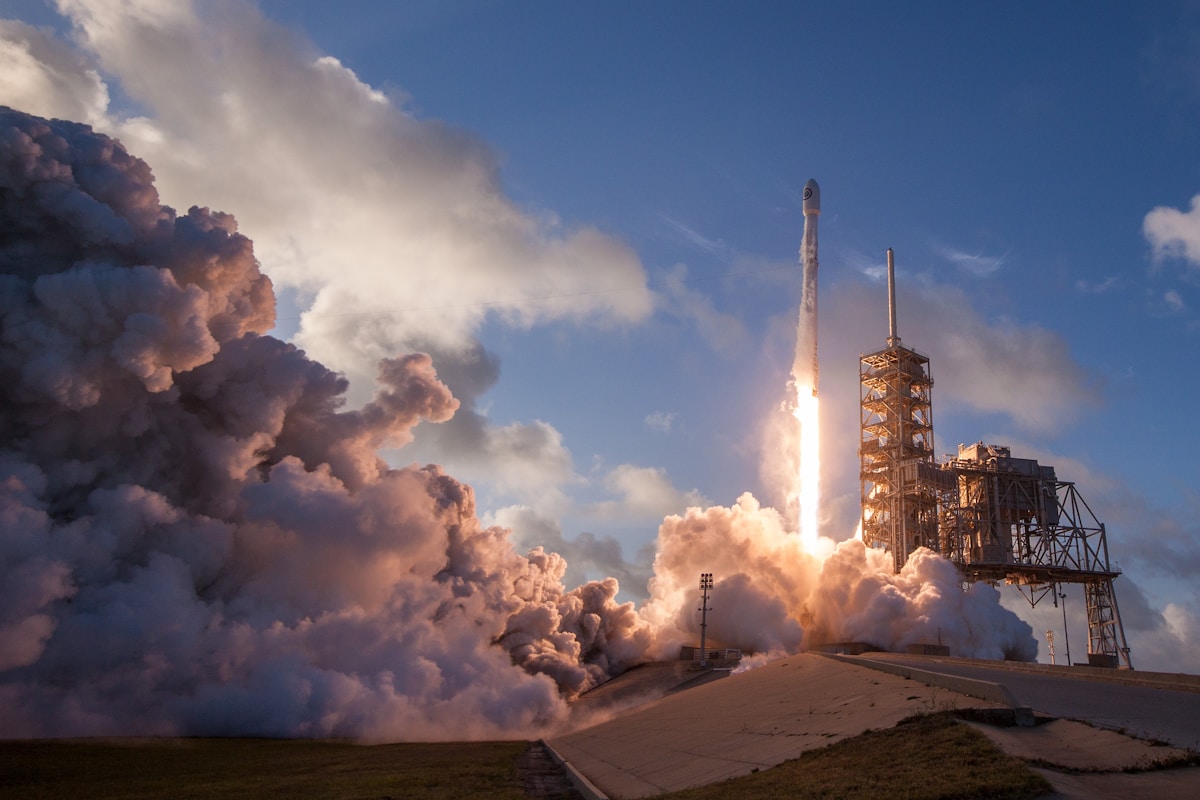
SpaceX has confidentially filed for an IPO under the internal codename "Project Apex," targeting a valuation that would make it worth more than Apple and Microsoft combined. At $1.75 trillion, the aerospace company would be the largest IPO in history by a factor of ten.
Let's talk about what that number actually means. To put it in perspective, SpaceX would be valued higher than the entire global aerospace and defense industry. Higher than Boeing, Lockheed Martin, Northrop Grumman, Airbus, and every other manufacturer of things that fly—added together.
The company assembled an unusually large syndicate of 21 banks to manage the offering, which tells you how complex and massive this deal is. A confidential filing gives SpaceX time to prepare the paperwork privately before public disclosure requirements kick in.
Here's the problem: valuations this astronomical require extraordinary revenue and profit growth to justify them. SpaceX is genuinely revolutionary—reusable rockets, Starlink satellite internet, Starship development—but $1.75 trillion implies the company will not just dominate space launch, but own it entirely, while also building multiple other trillion-dollar businesses.
For context, Amazon took 25 years to reach a $1 trillion valuation. Apple took 42 years. SpaceX is asking public markets to believe it's worth nearly double that after 22 years, based largely on future promises about Mars colonization and satellite internet dominance.
The Starlink business is real and growing fast. Launch services are genuinely profitable. But this valuation prices in not just success—it prices in perfection, monopoly, and technological breakthroughs that haven't happened yet.
Investors who got in early through private rounds are going to make spectacular returns if this IPO happens anywhere near this valuation. The question is whether public market investors will be left holding the bag when reality meets hype.