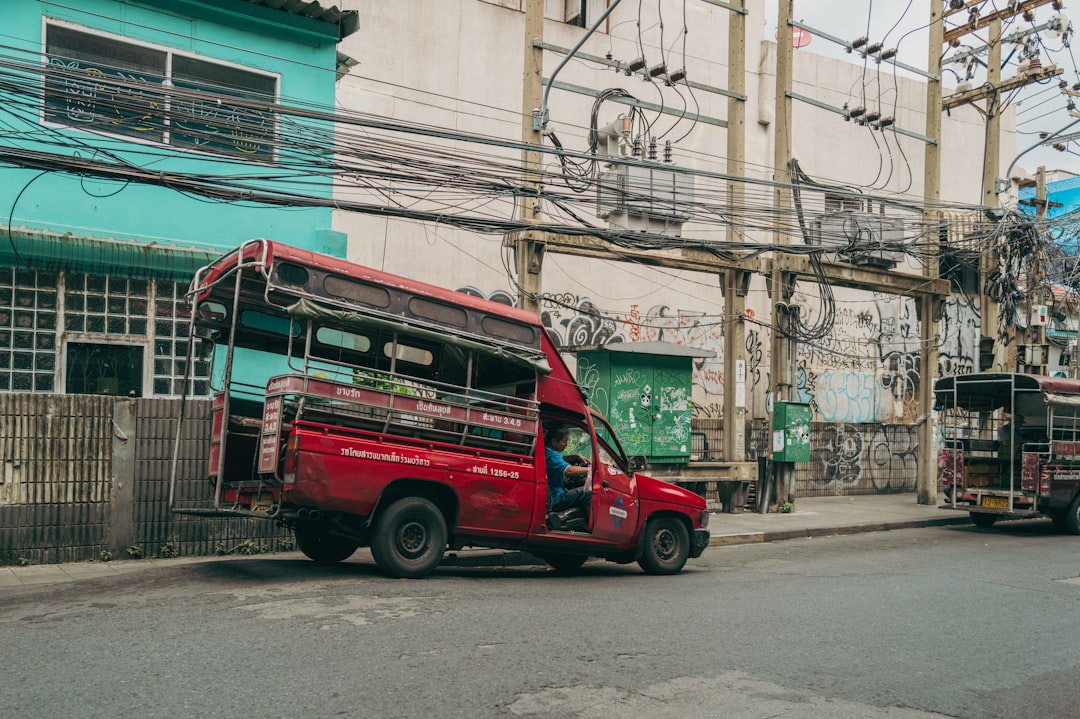
The escalating conflict in Iran and the closure of the Strait of Hormuz have sent shockwaves through Southeast Asia's tourism industry, leaving travelers facing an uncomfortable question: is it still ethical to visit during a fuel crisis?
Fuel shortages have been reported across Thailand, Malaysia, Indonesia, and the Philippines as the Strait of Hormuz - a critical chokepoint for global oil transport - remains closed due to regional conflict. The strait normally handles about 21% of global petroleum, and its closure has disrupted fuel supplies across Asia.
A traveler planning a trip to the region in the coming weeks posted on r/solotravel, asking whether it's "ethical to travel and contribute to the demand on the limited supply of fuel for transportation or electricity" or "worse to deprive these regions of tourism during a tough time."
The dilemma highlights the complex relationship between tourism and economic survival in the region. Southeast Asia depends heavily on tourism revenue - in Thailand alone, tourism accounts for approximately 12% of GDP.
"Tourism actually provides the foreign currency these countries need to afford fuel imports," one experienced traveler responded in the thread. "Staying away might hurt more than help."
However, practical concerns are mounting. Several travelers in the region have reported cancelled ferry services to island destinations and reduced flight schedules. Fuel prices have spiked, with some areas seeing increases of 30-40% in just weeks.
For those already traveling in the region, the advice is clear: build flexibility into your plans. Book accommodations and transport that offer easy cancellation, keep extra cash on hand in case card systems go offline due to power rationing, and consider staying longer in each location to reduce transportation needs.