

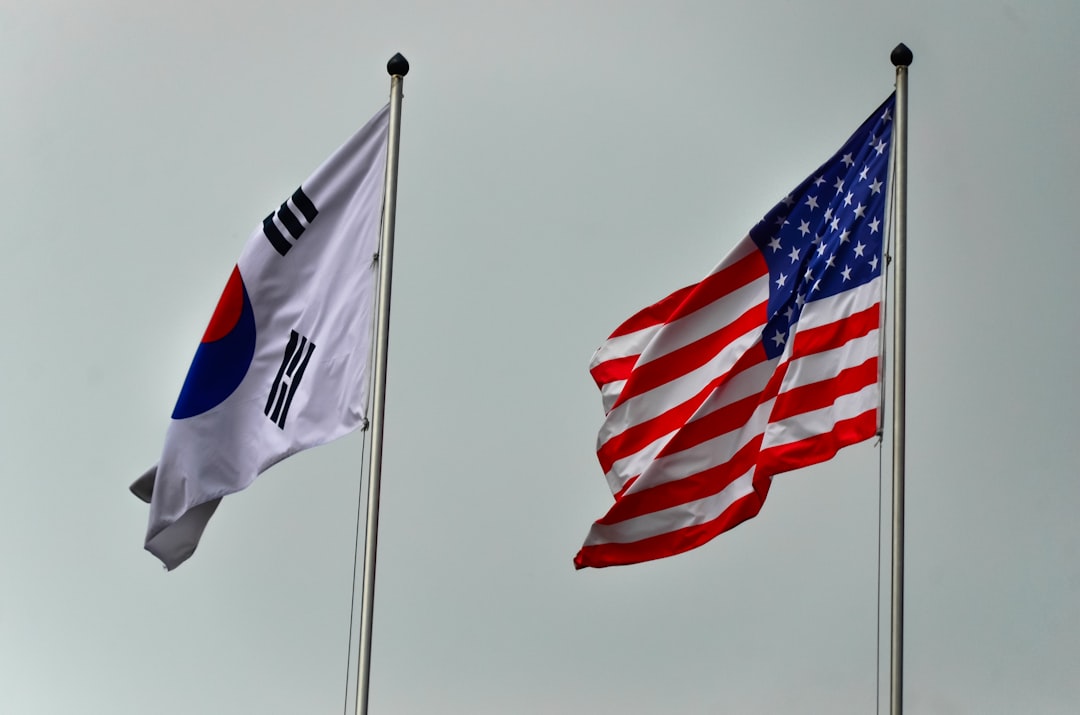
South Korea's ambassador to the United States characterized the bilateral alliance as a "linchpin of regional stability" in remarks addressing the evolving security landscape shaped by deepening cooperation between North Korea and Russia.
Ambassador Cho Hyun-dong, speaking at the Center for Strategic and International Studies in Washington, outlined how the Russia-DPRK military partnership represents a qualitatively new threat that was not anticipated in traditional alliance planning. The assessment comes amid intelligence reports indicating North Korean ammunition shipments to Russia and potential technology transfers flowing in the opposite direction.
"The alliance forged seven decades ago now confronts challenges our founders could not have imagined," Cho stated. "Russian provision of advanced military technology to North Korea fundamentally alters the security calculus on the Korean Peninsula."
Analysts tracking the Russia-North Korea relationship note that Moscow's desperation for ammunition amid the Ukraine conflict has given Pyongyang unprecedented leverage. In exchange for artillery shells and rockets, North Korea may receive satellite technology, submarine designs, and potentially nuclear-related expertise—capabilities that dramatically enhance the DPRK threat to South Korea.
The emerging Moscow-Pyongyang axis also complicates diplomatic efforts. Russia previously supported UN Security Council sanctions against North Korea's nuclear program. Now, as a beneficiary of North Korean military supplies, Russia has vetoed extensions of UN monitoring panels and blocked new sanctions measures.
Cho emphasized that Seoul views the US alliance not merely as a Cold War relic but as an evolving partnership adapting to contemporary threats. This includes expanded cooperation on cyber security, space capabilities, and emerging technologies beyond traditional military domains.


