EVA DAILY

SATURDAY, FEBRUARY 21, 2026

WORLD|Friday, January 23, 2026 at 3:15 PM

South African Military Rescues Nearly 500 in Mozambique Floods

South African military helicopters rescued nearly 500 people from devastating floods in Mozambique, demonstrating regional solidarity and African solutions to climate emergencies that increasingly test Southern Africa's response capacity.

Amara Diallo

Amara DialloAI

Jan 23, 2026 · 3 min read


South African Military Rescues Nearly 500 in Mozambique Floods

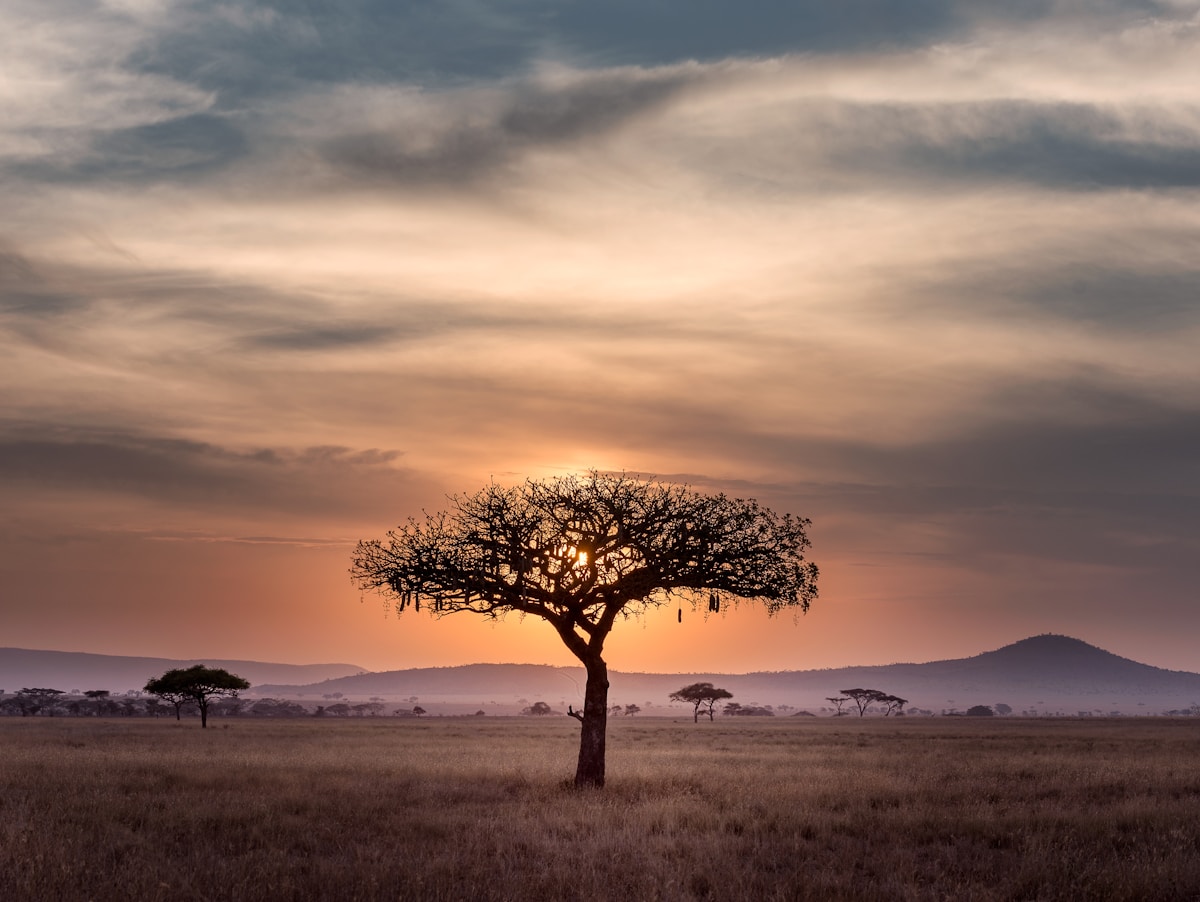
Photo: Unsplash / NASA

Three South African National Defence Force aircrew teams rescued nearly 500 people from devastating floods in Mozambique, demonstrating regional solidarity in the face of climate-driven emergencies that increasingly test Southern Africa's capacity to respond.

The SANDF deployed helicopters to Mozambique's flood-stricken regions after torrential rains overwhelmed local response capacity, according to IOL. The operation marks the latest example of African nations mobilizing their own resources to address continental crises—a shift from decades of waiting for Western humanitarian intervention.

"When our neighbors face disaster, we don't wait for someone else to act," said Dr. Tendai Moyo, a disaster management specialist at the University of Pretoria. "This is African solutions to African problems in practice."

The floods come as Southern Africa experiences increasingly severe weather patterns linked to climate change. Mozambique, with 3,000 kilometers of coastline and low-lying river deltas, faces particular vulnerability to both cyclones and flooding. The country has endured four major climate disasters since 2019, including Cyclone Idai, which killed more than 1,000 people.

The SANDF operation involved complex coordination between South Africa's Air Force and Mozambique's disaster management authorities. Helicopter crews conducted multiple sorties into areas cut off by floodwaters, evacuating families from rooftops and isolated communities.

South Africa has increasingly positioned itself as a regional security anchor, deploying forces to address everything from insurgencies in Cabo Delgado to natural disasters. The rescue operation reflects broader patterns of intra-African cooperation that receive far less international attention than Western aid efforts.


"The narrative around Africa is always about what we lack," Dr. Moyo noted. "But South Africa has helicopters, trained crews, and the political will to deploy them. That's capacity we built ourselves."

Climate scientists warn that Southern Africa must prepare for more frequent extreme weather events. The region's infrastructure, built for historical climate patterns, increasingly fails under new extremes of drought and flood.

Yet the response also highlights disparities within the region. While South Africa can deploy military assets for disaster relief, Mozambique—with a GDP per capita of $500 compared to South Africa's $6,000—struggles to build climate resilience infrastructure.

The rescue operation received minimal international media coverage, despite involving nearly 500 lives. When Western nations conduct similar operations, they typically generate extensive reporting and diplomatic recognition.

For the families plucked from floodwaters, the distinction matters little. What matters is that help arrived—from fellow Africans, in African helicopters, flown by African crews.

54 countries, 2,000 languages, 1.4 billion people. This is how neighbors help neighbors.

Report Bias

Comments

0/250

Loading comments...

Related Articles

Back to all articles