South Africa offers something almost no other country can match: mountains, beaches, wildlife, vineyards, and vibrant urban culture all within a few hours' drive. Yet it remains conspicuously underrepresented on global travel bucket lists, overshadowed by safety concerns that dominate international discourse.
The disconnect is striking. Millions of tourists visit every year without incident, yet South Africa consistently ranks lower than objectively similar destinations in traveler consideration. A recent discussion among backpackers posed the question directly: is South Africa genuinely risky, or has collective fear been exaggerated at the expense of one of the planet's most rewarding travel experiences?
The statistics paint a more nuanced picture than headlines suggest. Tourist areas in Cape Town, the Garden Route, and major game reserves maintain safety records comparable to many popular destinations. Problems concentrate in specific areas that tourists rarely encounter, yet media coverage creates the impression of universal danger.
Seasoned travelers emphasize that basic precautions eliminate most risks: avoid displaying expensive items, use reputable transportation, stay aware of surroundings, don't walk alone at night in unfamiliar areas. These aren't South Africa-specific rules—they apply to cities worldwide, from Barcelona to Buenos Aires.
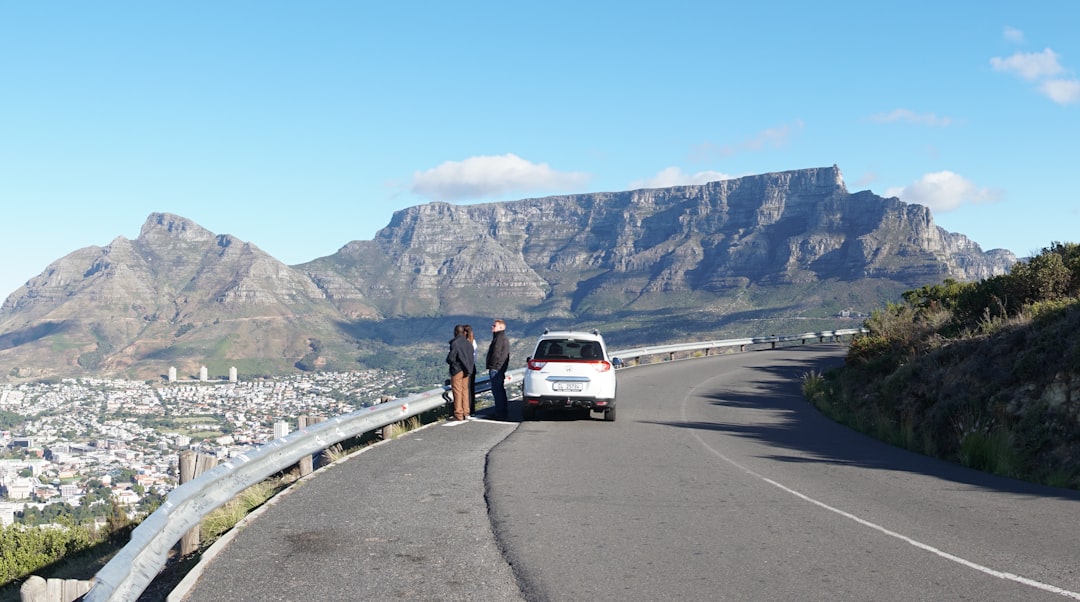
What visitors gain in exchange is extraordinary. Table Mountain rises dramatically from the sea in Cape Town. The Winelands rival Napa Valley at a fraction of the cost. Kruger National Park delivers world-class wildlife experiences. The Drakensberg Mountains offer hiking through landscapes that look photoshopped. Durban's beaches stretch for miles. The Wild Coast remains genuinely wild.
Beyond natural beauty, provides complex, essential perspectives on history, inequality, and social transformation. tours, , and offer education that luxury resorts cannot provide.