
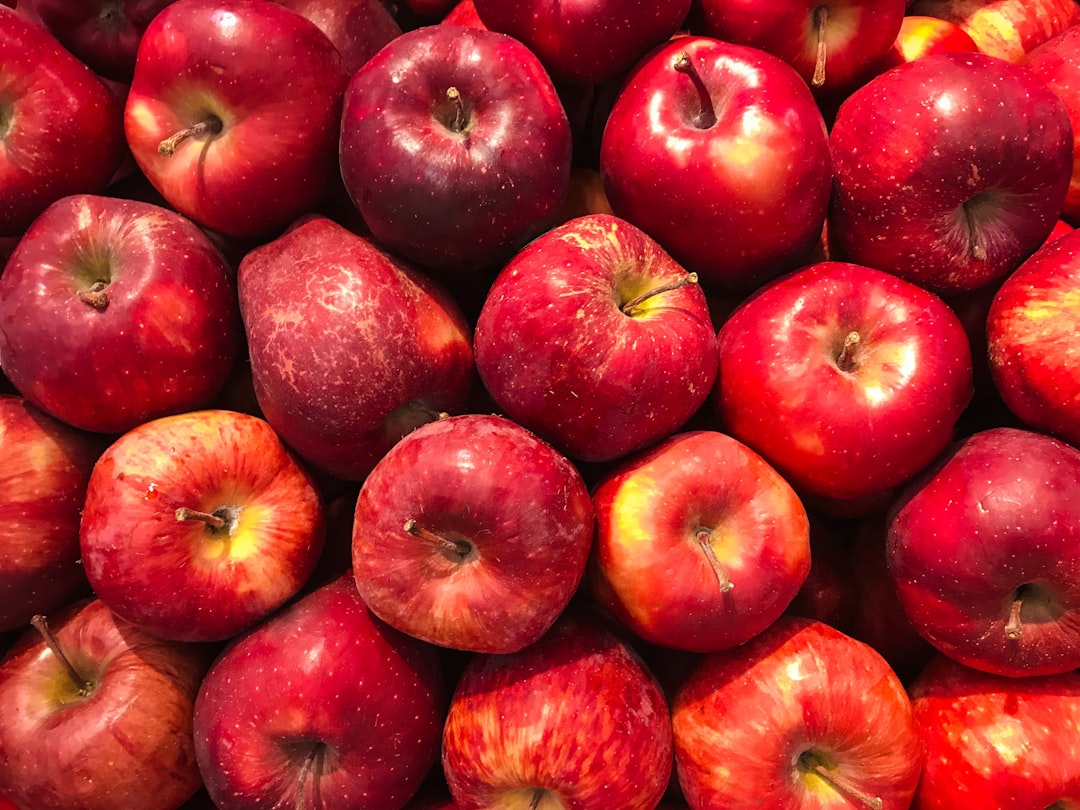
South Africa's largest apple and pear exporter is spending more than R2 million daily on diesel to keep refrigeration running amid chronic electricity shortages, a staggering cost that illustrates the economic toll of the country's persistent power crisis, News24 reports.
The revelation from a major agricultural exporter underscores how load shedding—the rotating power cuts that have become synonymous with South Africa's infrastructure crisis—is directly eroding the competitiveness of export industries critical to the country's economy.
For fruit exporters operating on tight margins in competitive global markets, the forced reliance on diesel generators represents both an immediate cost crisis and a longer-term competitiveness problem. While European and South American competitors benefit from reliable grid electricity, South Africa's exporters face a choice between absorbing unsustainable fuel costs or passing them along to international buyers increasingly willing to source elsewhere.
The agricultural sector has emerged as a flashpoint for the broader electricity crisis. Unlike many industrial operations that can adjust production schedules around load shedding, cold storage facilities for perishable exports must maintain uninterrupted power. A single prolonged outage can destroy millions of rands worth of fruit destined for international markets.
In South Africa, as across post-conflict societies, the journey from apartheid to true equality requires generations—and constant vigilance. Yet that journey becomes immeasurably harder when basic infrastructure necessary for economic growth systematically fails, undermining job creation and export earnings that could fund social development.
The power crisis traces its roots to decades of underinvestment in electricity generation, aging coal plants operating well below capacity, and corruption scandals that hollowed out state utility Eskom during the era of "state capture" under former President Jacob Zuma. While the Government of National Unity formed after the 2024 elections has prioritized electricity reform, progress toward reliable supply remains slow.