
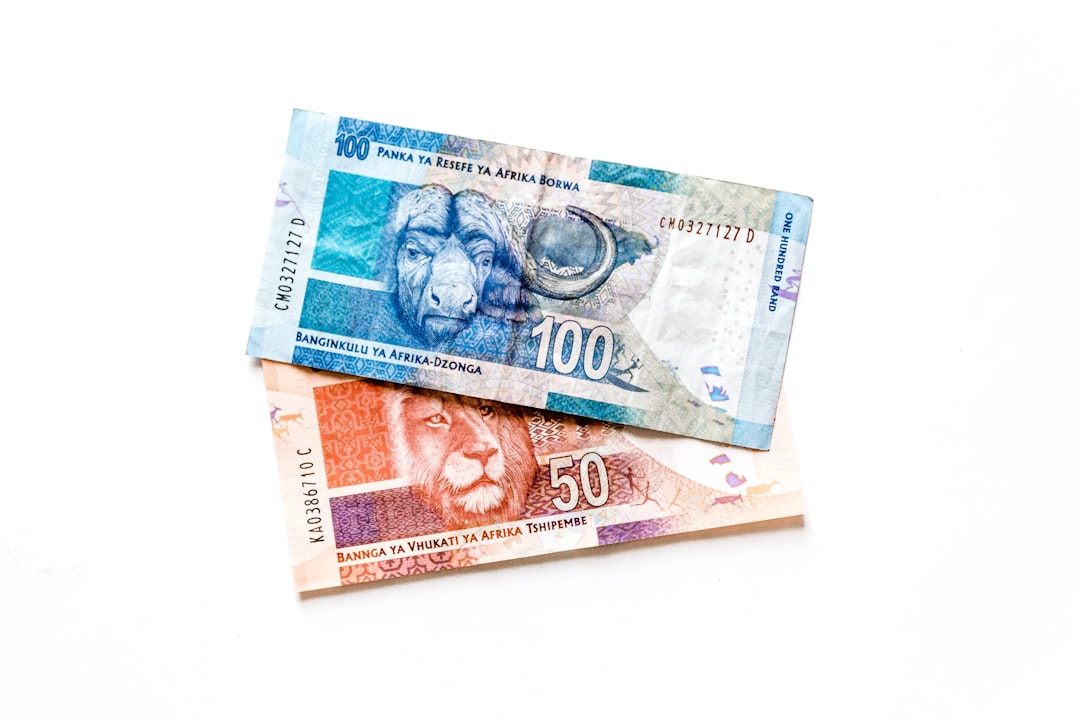
South Africa's 2026 Budget Speech has received cautious approval from economists, with Standard Bank's chief economist awarding it a 7.5 out of 10 rating—a signal that the country's Government of National Unity may be successfully balancing fiscal discipline with social spending demands.
The relatively positive assessment, reported by News24, reflects growing confidence among investors and analysts that the coalition government formed after the 2024 elections can maintain macroeconomic stability while addressing the deep inequalities that have persisted three decades after apartheid's end.
The budget's emphasis on fiscal consolidation—reducing the deficit without abandoning social grants and infrastructure investment—appears to have reassured markets concerned about South Africa's debt trajectory. The Government of National Unity, which brought together the African National Congress with opposition parties including the Democratic Alliance, has faced the delicate task of satisfying both market-oriented reformers and constituencies demanding expanded service delivery.
Standard Bank's chief economist highlighted the budget's commitment to maintaining spending on education and healthcare while introducing efficiencies in state-owned enterprises—a balance that has eluded previous administrations. The 7.5 rating suggests the budget avoids the pitfalls of both austerity that could deepen unemployment and populist spending that might trigger credit rating downgrades.
The positive reception comes at a critical moment for South Africa's economy. The country has struggled with chronic electricity shortages—"load shedding"—that have hampered growth, alongside persistent unemployment above 30 percent and inequality levels that remain among the world's highest. The Government of National Unity's first full budget is seen as a test of whether the coalition can overcome ideological differences to deliver pragmatic economic governance.
Yet cautious optimism is the watchword. Other economists have noted that execution remains the critical challenge. South Africa has a history of sound budgetary frameworks undermined by poor implementation, corruption, and state capture—the systematic looting of public institutions that characterized the Jacob Zuma presidency and continues to hamper service delivery.
The budget's success will ultimately be measured not by economists' ratings but by its impact on ordinary South Africans: whether it can fund the infrastructure needed to end power cuts, create jobs for a young population facing bleak employment prospects, and deliver on the post-apartheid promise of a more equitable society.
In South Africa, as across post-conflict societies, the journey from apartheid to true equality requires generations—and constant vigilance. This budget represents another incremental step forward, but the distance remaining is considerable.
Markets responded positively to the budget announcement, with the rand strengthening slightly against major currencies. Analysts will now watch quarterly revenue collection and expenditure reports to determine whether the government can meet its ambitious fiscal targets amid global economic uncertainty and domestic pressures for increased social spending.