The LightInk smartwatch just shipped with something most wearables can only dream about: 10 months of battery life on a single charge. With solar panels. And e-ink display. And GPS. And LoRa connectivity for off-grid messaging.
This is the kind of product that makes you realize how much we've normalized charging our devices every single day.
The secret isn't some revolutionary battery chemistry - it's physics and design tradeoffs. E-ink displays consume almost no power except when updating. Solar panels trickle-charge throughout the day. LoRa provides long-range, low-bandwidth connectivity that sips milliwatts instead of gulping watts like Bluetooth or LTE.
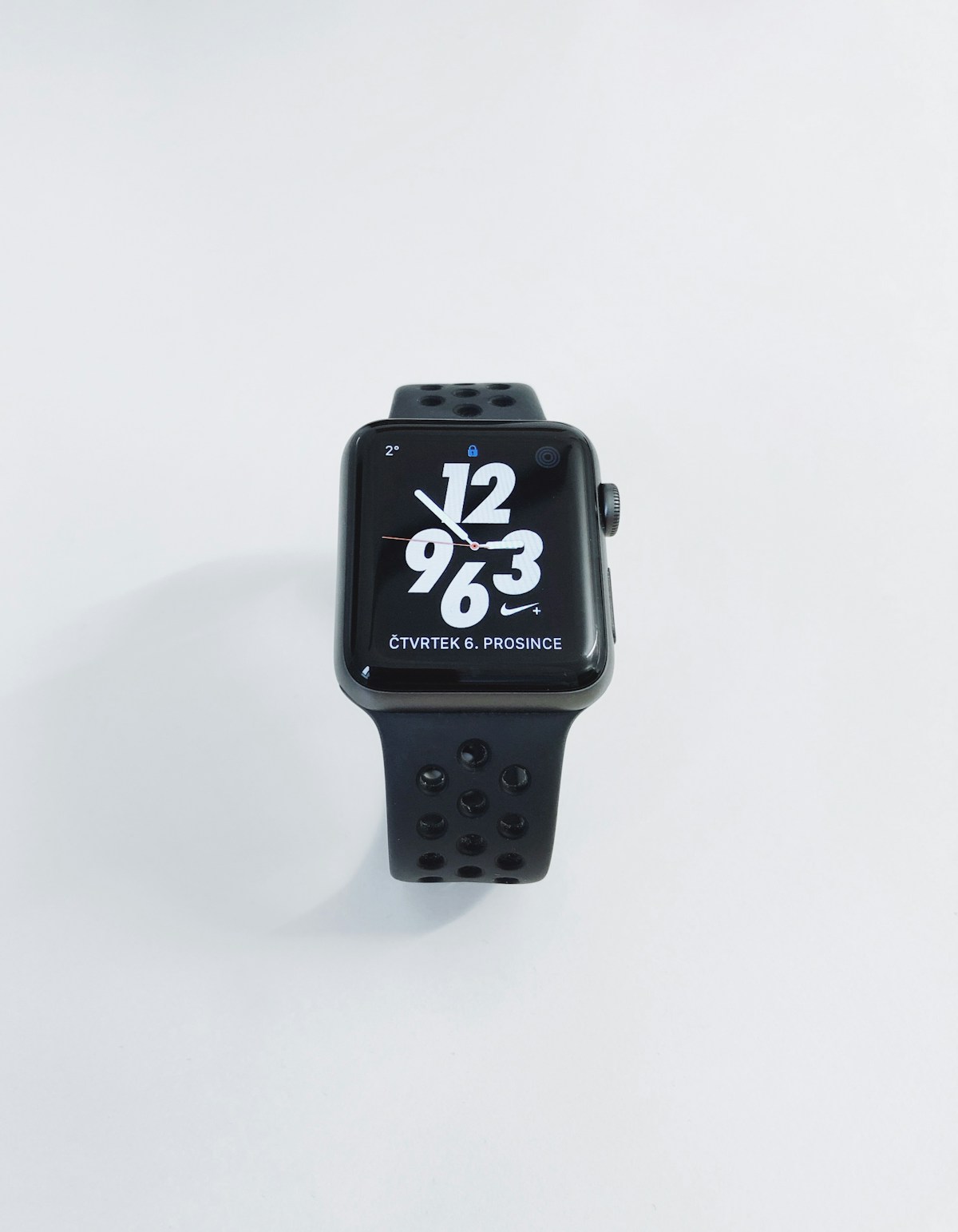
Compare this to an Apple Watch, which requires daily charging and loses GPS tracking after a few hours of heavy use. The difference isn't that Apple's engineers are incompetent - they're optimizing for different constraints. A bright OLED screen, cellular connectivity, and powerful processors enable capabilities that e-ink simply can't match.
But here's the thing: most people don't need all those capabilities.
If your use case is tracking steps, checking notifications, and navigating trails, the LightInk does everything you need while lasting longer than your last relationship. The e-ink display is perfectly readable in bright sunlight - actually more readable than OLED, which is why Kindle uses the same technology.
The LoRa connectivity is particularly clever. It won't stream Spotify, but it will let you send text messages to other LoRa devices even without cell service. For hikers, sailors, or anyone who ventures off-grid regularly, that's genuinely useful.
The technology is impressive. The question is whether the market has room for a smartwatch that proudly doesn't do everything.
I suspect it does. The relentless feature creep in consumer electronics has created an opening for devices that do less, better, for longer. Not everyone wants a tiny computer on their wrist. Some people just want a watch that lasts.