

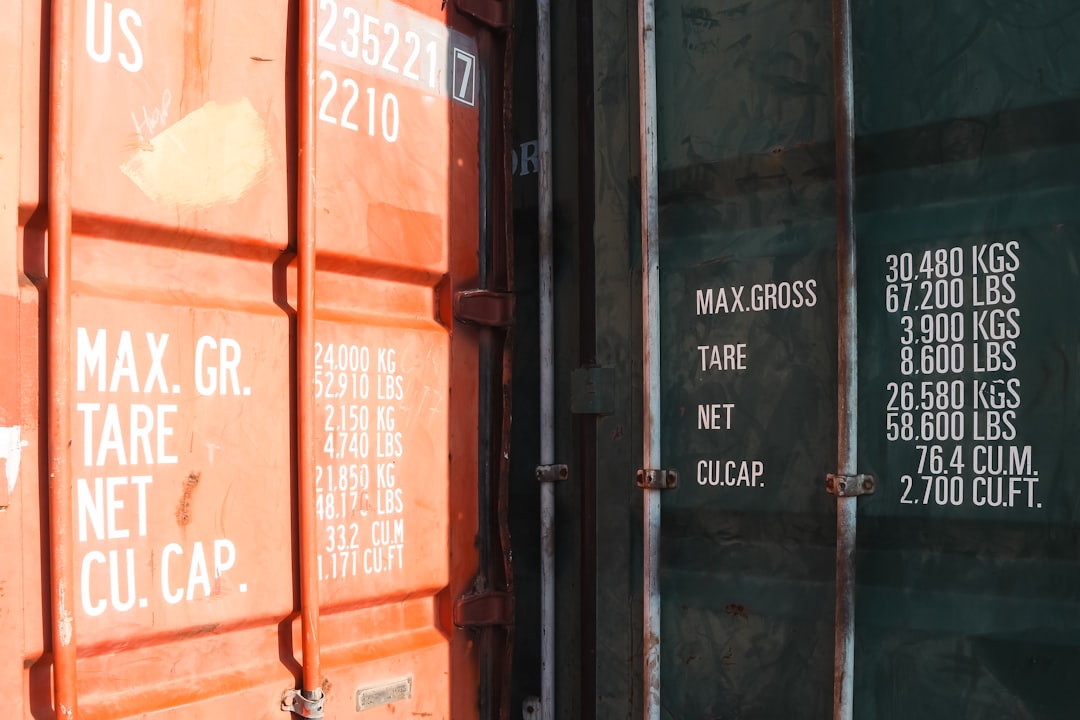
A relatively unknown shipping company has emerged as a symbol of the persistent challenges facing European efforts to enforce economic sanctions against Russia, exploiting regulatory gaps that allow continued trade between Moscow and Berlin despite sweeping restrictions imposed after the invasion of Ukraine.
According to an investigation by Politico, the small logistics firm has managed to maintain regular cargo flows between Russia and European markets by navigating technical loopholes in the sanctions architecture—a pattern that highlights the gap between political commitments to isolate Moscow economically and the practical realities of enforcement.
In Russia, as in much of the former Soviet space, understanding requires reading between the lines. The continued operation of such channels reflects both the complexity of modern supply chains and the determination of commercial actors to find workarounds in sanctions regimes that inevitably contain technical vulnerabilities.
European sanctions against Russia, imposed in multiple packages since February 2022, represent some of the most comprehensive economic restrictions ever deployed. They target Russian energy exports, financial institutions, technology transfers, and luxury goods, among other sectors. Yet enforcement remains fragmented across 27 EU member states with varying levels of commitment and capacity.
The shipping operation reportedly relies on technical compliance with the letter of sanctions while circumventing their spirit, using methods that may include rerouting through third countries, exploiting exemptions for certain categories of goods, or leveraging ambiguities in how dual-use items are classified.
Such evasion mechanisms have become increasingly sophisticated as Russian businesses, their European partners, and intermediaries adapt to the sanctions environment. Intelligence agencies and investigative journalists have documented elaborate schemes involving shell companies, falsified documentation, and circuitous shipping routes designed to obscure the Russian origin or destination of goods.
European authorities face a persistent challenge in closing loopholes without creating unintended economic disruptions or harming legitimate trade. Sanctions must be specific enough to target Russian interests while maintaining European economic activity and avoiding humanitarian impacts in third countries caught in supply chain disruptions.
/file/attachments/2991/P1Estellehantaviruscover_411095.jpg)


