

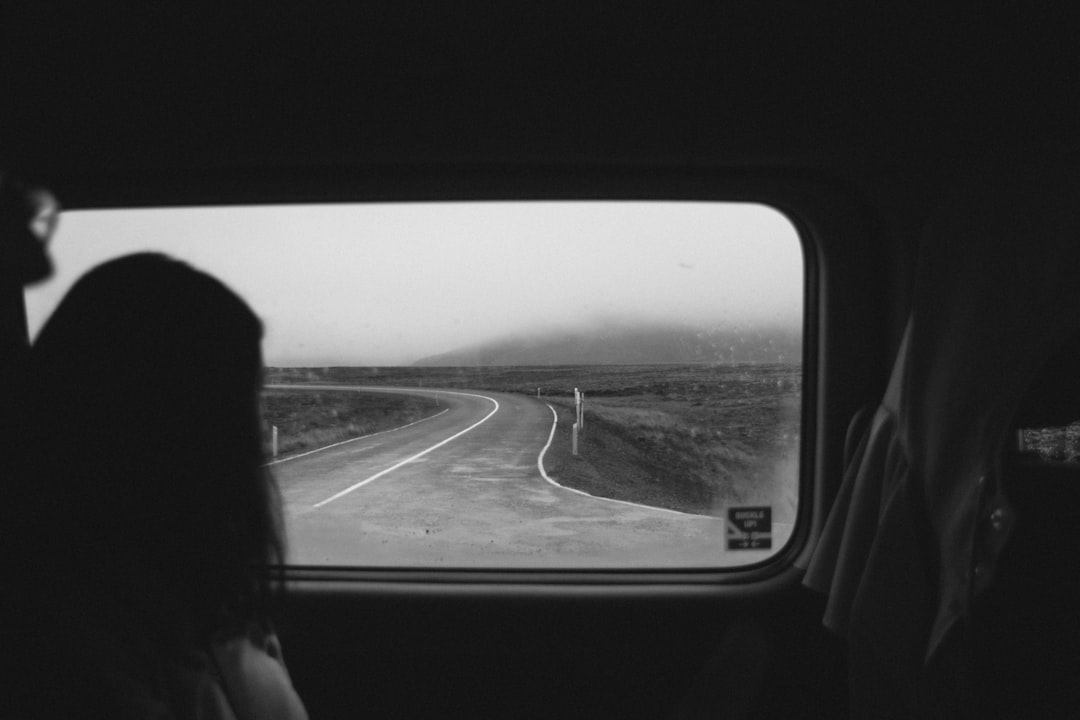
Something profound happens on extended trips that guidebooks don't mention. A solo traveler describes the moment when tracking stops:
"Not checking how far I'd come. Not thinking about how much was left. It felt strange at first... but also lighter. Days just happened. Some long, some quick. Didn't really matter. I wasn't trying to 'cover' the country anymore. Just moving through it."
The Psychological Shift
This captures something rarely articulated in travel writing: the transition from achievement-oriented tourism to simply existing in motion.
In the first days or weeks of a trip, most travelers maintain mental spreadsheets: days remaining, sights to see, distances to cover, boxes to check. Travel feels like a project with metrics and goals.
Then somewhere - maybe week three, maybe month two - the tracking stops. You forget what day it is. You stop calculating how many countries you've visited. The destination matters less than the rhythm of being somewhere new.
Why It Happens
Part of it is exhaustion. The mental effort of constant planning, navigation, and optimization eventually becomes draining. Letting go of control paradoxically feels like relief.
Part is adaptation. What felt foreign and stimulating in week one becomes normal by week six. Your baseline resets. Being "on the road" stops feeling temporary and starts feeling like just... life.
Part is philosophical. The traveler asks: "Has anyone else felt this shift?" The answer is yes, and it represents a deeper engagement with travel itself.
What Changes
Decision-making becomes more intuitive. Instead of researching the top 10 things to do in each city, you walk around and see what happens. Serendipity replaces optimization.

