For breast cancer survivors, the question haunts: Am I really cured?
You've endured surgery, chemotherapy, radiation, years of hormone therapy. Your scans are clear. Your doctors are optimistic. But you know the statistics—up to 30% of people treated for estrogen receptor-positive (ER+) breast cancer experience relapse, sometimes five, ten, even twenty years after their initial treatment succeeded.
Where does the cancer hide? How does it survive? And why does it wait so long to return?
Researchers at the Garvan Institute of Medical Research and UNSW Sydney have now mapped one answer: cancer cells that divide at remarkably slow rates, forming microscopic tumors too small to detect, quietly ticking away for decades until they gather enough strength to strike again.
The findings, published in Nature Communications, identify a specific cellular pathway—called Rac1—that enables these "sleeper" cells to persist through treatment. More importantly, when researchers blocked Rac1 experimentally, they successfully reduced both the size and number of tumors in patient-derived lab models.
"While we know some cancer cells can go into complete hibernation, we found an important alternative pathway enabling cells to keep dividing during treatment," explains Associate Professor Liz Caldon, who led the research team at UNSW and the Garvan Institute.
It's an elegant survival strategy, really. Cancer thrives on rapid, uncontrolled growth—which is precisely what makes it vulnerable to chemotherapy and radiation, treatments designed to target fast-dividing cells. But slow down the division rate, and those cells slip through the net. They're not dormant; they're just patient.
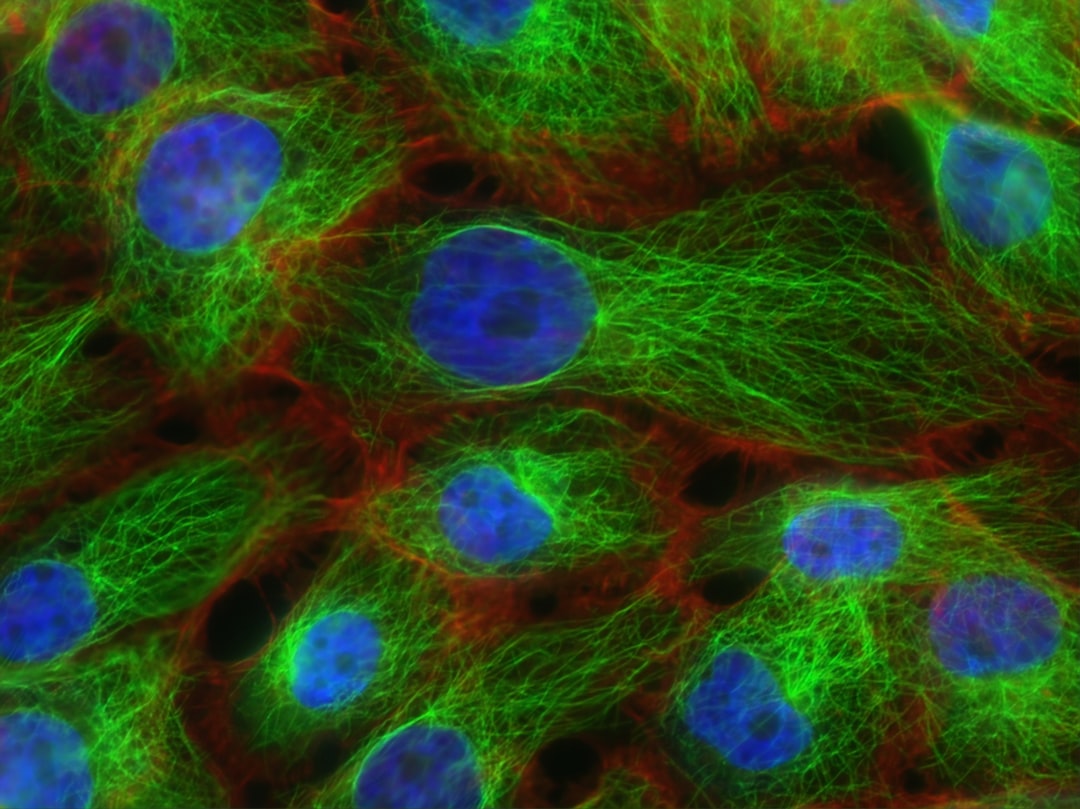
The team spent years isolating these slow-growing breast cancer cells in laboratory settings. Led by first author Kristine Fernandez, a senior research assistant at the Garvan Institute, they introduced the cells into preclinical models to observe their behavior over time. Using advanced biosensor imaging, they watched the Rac1 pathway activate within these cells—essentially seeing the mechanism that keeps them alive.