
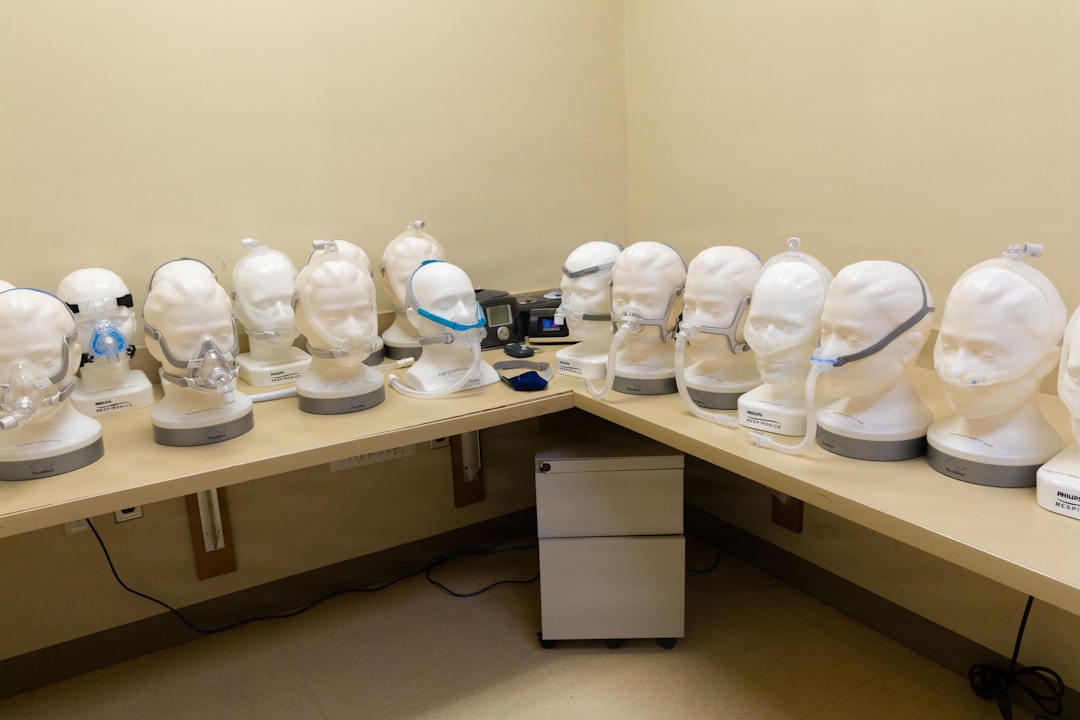
For the millions of people who struggle with sleep apnea, there's long been an uncomfortable truth: CPAP machines work brilliantly—if you can tolerate them. A new clinical trial suggests there might finally be an alternative.
Researchers presented results from the SynAIRgy trial showing that AD109, a once-nightly pill combining two existing medications, reduced breathing interruptions by 44% compared to just 18% for placebo. Nearly one in five participants achieved complete relief from their sleep apnea.
Let's talk about why this matters. Obstructive sleep apnea affects somewhere between 10-30% of adults, depending on how you define it. The airway collapses during sleep, cutting off breathing sometimes hundreds of times a night. The consequences aren't trivial: cardiovascular disease, cognitive impairment, diabetes risk, and dangerous daytime sleepiness.
CPAP machines—continuous positive airway pressure devices that keep airways open with pressurized air—are the gold standard treatment. They work. But adherence is terrible. Studies suggest 30-50% of patients either quit using CPAP or never use it consistently. The machines are noisy, claustrophobic, socially awkward, and require nightly commitment. As Dr. Patrick John Strollo from the University of Pittsburgh Medical Center noted, many patients simply refuse or can't tolerate them.
AD109 takes a different approach. It combines aroxybutynin and atomoxetine—two medications that strengthen the muscles in your throat and prevent airway collapse during sleep. Rather than mechanically propping the airway open from outside, it addresses the underlying neuromuscular dysfunction.
The six-month trial enrolled 646 adults across 69 sites in the U.S. and Canada. Participants had mild to severe sleep apnea and either refused or couldn't tolerate CPAP. The results showed consistent improvements across different severity levels and body types, with meaningful reductions in oxygen deprivation.
Before you ask your doctor for a prescription, though: this isn't approved yet. Common side effects included dry mouth, nausea, insomnia, and difficulty urinating. About 21% discontinued the medication due to adverse effects—not negligible, though arguably comparable to CPAP discontinuation rates.
The FDA has granted AD109 Fast Track designation, recognizing the significant unmet need. Developer Apnimed submitted a New Drug Application with expected FDA action in the first quarter of 2027. If approved, it won't replace CPAP for everyone—nothing in the trial matched the near-complete efficacy of properly used CPAP. But for the millions who won't or can't use those machines, a 44% reduction in breathing interruptions could be genuinely life-changing.