Stargazers across the Northern Hemisphere will witness a rare astronomical event Saturday evening as six planets align in the western sky, creating a celestial arrangement that occurs only once every few years. The planetary parade peaks on February 28, weather permitting, with several worlds visible to the naked eye.
The alignment features Mercury, Venus, and Saturn among the confirmed visible planets, appearing as bright star-like objects along the ecliptic—the path the sun traces across our sky. According to Space.com, the best viewing window occurs during evening twilight, when the planets shine against the darkening western horizon.
For optimal viewing, head outside shortly after sunset and look toward the west. Clear skies are essential—as the saying goes among astronomers, "we truly hope it doesn't rain on your parade." Urban observers should seek locations with unobstructed views of the horizon, as some planets will appear relatively low in the sky.
No special equipment is required for basic observation, though binoculars or a small telescope will reveal additional details like Saturn's rings or Venus's phases. The planets appear as steady points of light, unlike the twinkling of stars, making them easier to identify once you know where to look.
In space exploration, as across technological frontiers, engineering constraints meet human ambition—and occasionally, we achieve the impossible. While planetary alignments occur through natural orbital mechanics rather than human engineering, they remind us of the clockwork precision governing our solar system.
What makes this alignment "rare" is the specific combination of planets visible simultaneously from Earth. Each world orbits the sun at different speeds—Mercury completes a lap in 88 days while Saturn takes 29 years—meaning their relative positions constantly shift. Alignments requiring six planets to appear in the same general region of sky don't occur frequently, making Saturday's show worth catching.
The event offers a perfect opportunity for novice stargazers to familiarize themselves with planetary observation. Unlike deep-sky objects that require dark skies and telescopes, bright planets punch through light pollution and appear magnificent even from suburban backyards. Saturn's golden hue, Venus's brilliant white, and Mercury's elusive glow each offer distinct visual experiences.
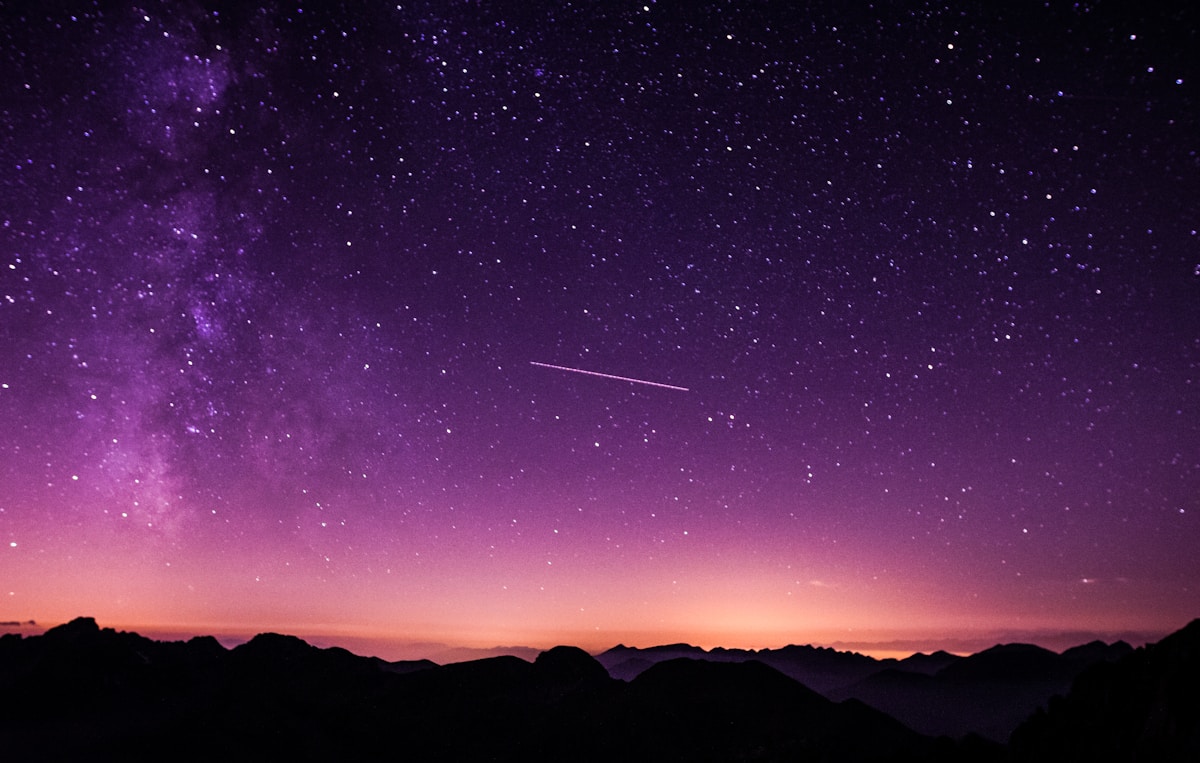
For those unable to observe Saturday evening, the alignment persists for several days around the peak, though the configuration gradually loosens as planets continue their individual orbits. Photography enthusiasts should bring tripods for long exposures capturing the full planetary arrangement against twilight colors.