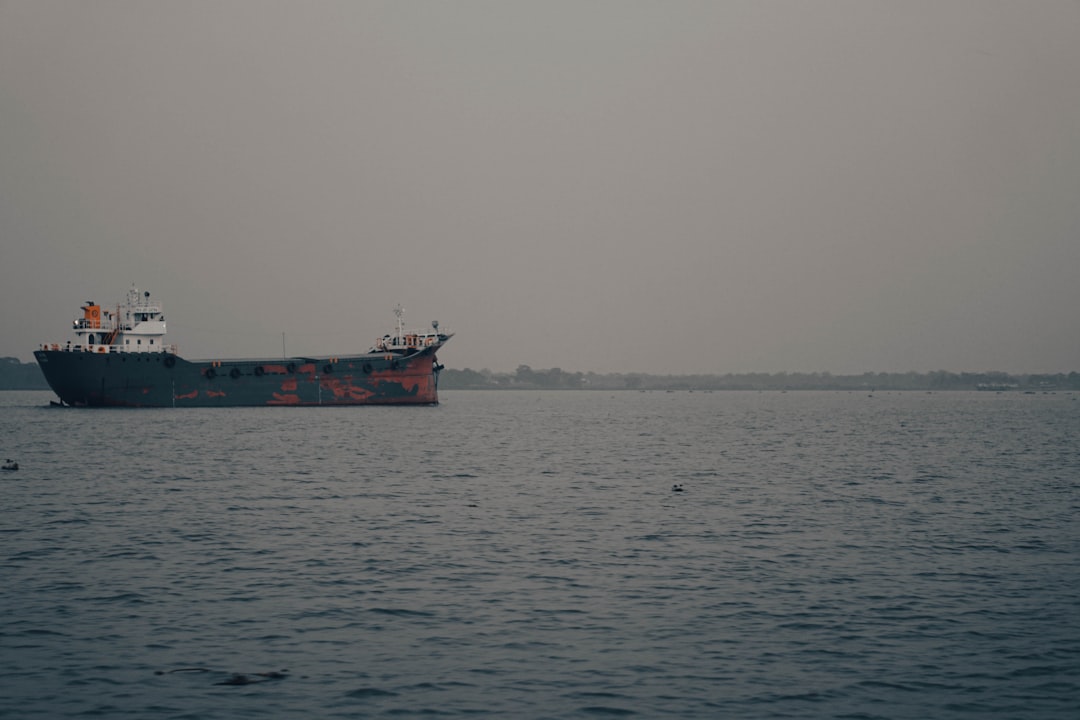
Australia is facing its first tangible fuel supply disruption from the Iran war, with six fuel shipments cancelled or deferred after mid-April, the energy minister confirmed on Saturday.
The cancellations expose Australia's vulnerability as an island nation dependent on fuel imports with minimal strategic reserves. While Energy Minister Chris Bowen insists that 74 other shipments remain on schedule and supply is secure, the admission marks a significant shift from earlier assurances that Australia was insulated from Middle East disruptions.
Mate, there's a whole continent down here that runs on imported fuel, and we've got about as much strategic reserve as a corner servo. Six cancelled shipments might sound manageable until you realize we're one escalation away from serious problems.
The minister acknowledged there may be "bumps" due to the war but maintained that Australia's fuel security arrangements are holding. That's diplomatic speak for "we're monitoring the situation closely and hoping it doesn't get worse." The reality is that Australia abandoned any pretense of fuel self-sufficiency decades ago, and now global conflicts can directly impact what Australians pay at the pump - or whether there's fuel at the pump at all.
The timing couldn't be worse. Regional Australia is already struggling with soaring fuel prices, some areas seeing petrol climb above $3 per litre. The cancelled shipments add supply uncertainty to an already volatile price environment, and that combination is politically toxic for a government facing cost-of-living pressures.
This is also driving the electric vehicle conversation in ways climate policy never could. When fuel security becomes a national security issue, suddenly EVs look less like environmental virtue signaling and more like strategic necessity. The Iran war is achieving what years of emissions targets couldn't - making Australians seriously question their dependence on imported petroleum.
The government is now caught between reassuring the public that supply is secure while simultaneously preparing for potential shortages. It's a delicate balance, and one that will be tested if the conflict escalates further or more shipments are cancelled in coming weeks.