A mechanical engineer on Reddit just posted what might be the most sobering analysis of where gas prices are headed, and it's not good news.
Using data from the Energy Information Agency, the St. Louis Fed, and Yahoo Finance, the engineer built a regression model correlating oil prices to gas prices adjusted for inflation dating back to 2000. The model has an R² of 0.94, which in plain English means it's really accurate—it explains 94% of the variance in gas prices based on oil and inflation alone.
Here's the punchline: if oil reaches the July 2008 high of $147.27 per barrel—which is no longer a hypothetical given oil is already at $100 and climbing—the model predicts $5.60 per gallon as the national average. That's a doubling from current levels.
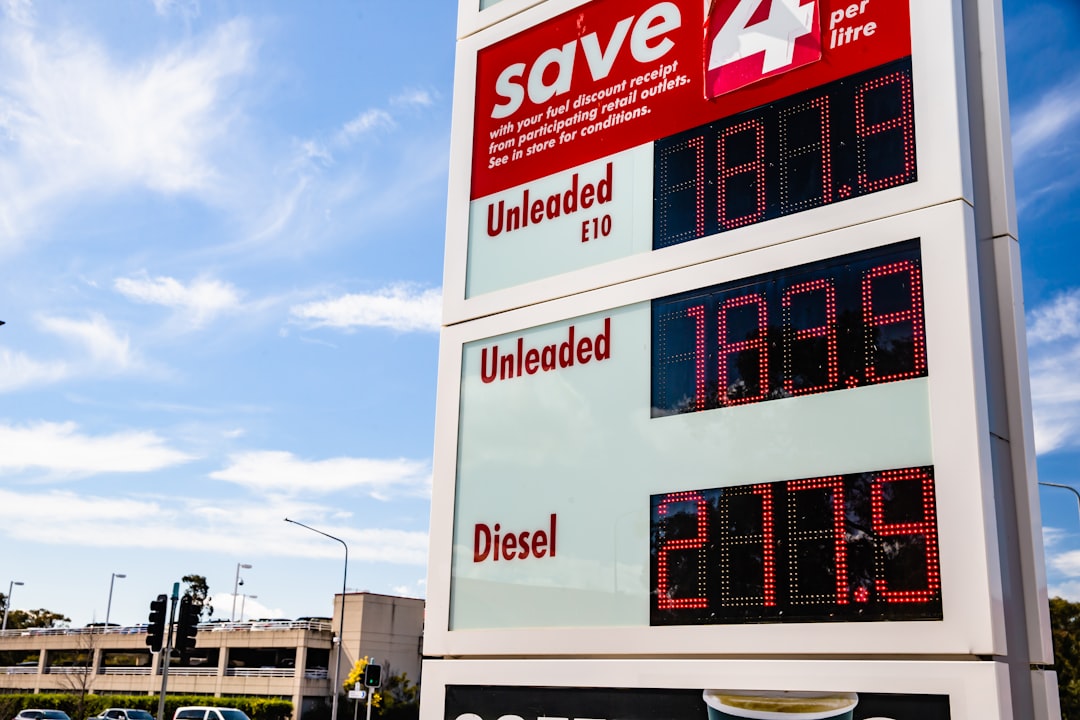
And those are national averages. If you live in California, New York, or any other high-cost state, you're looking at $6, $7, maybe higher.
The engineer, posting on r/wallstreetbets, initially calculated $9 but corrected it after catching a math error. Even at the corrected $5.60, that's brutal. For context, gas peaked at around $5 during the 2022 spike, and people were furious. Double that pain.
Why should you trust a Reddit post from an engineer instead of, say, a bank analyst? Because the methodology is transparent. The data sources are public. The model is simple—oil price plus inflation equals gas price—and it's held up for 25 years. Wall Street analysts have every incentive to soften bad news. This person has no agenda except showing their work.
The model also shows it takes time for oil price increases to fully propagate to the pump. So even if oil stabilizes at $100, you won't see the full impact immediately. But if the conflict drags on and oil climbs higher, the pain at the pump will follow with a lag of a few weeks.
Here's what that actually means in dollar terms. If you're filling up a typical 15-gallon tank:
- At $3.50/gallon (recent average): $52.50 - At $5.60/gallon (model prediction): $84 - Difference: $31.50 per tank
If you fill up once a week, that's an extra $1,600 per year. For a family with two cars, double it.
The political implications are obvious. Voters tolerate a lot of things, but they do not tolerate expensive gas. It's visible, it's unavoidable, and it hits every single day. If gas hits $6, the pressure on politicians to do —release strategic reserves, negotiate ceasefires, anything—will be enormous.