EVA DAILY

SATURDAY, FEBRUARY 21, 2026

WORLD|Wednesday, January 21, 2026 at 10:16 PM

Singapore's Opposition Rejects Leader Role, Exposing Cracks in Westminster-Style Reform

Singapore's Workers' Party rejected the newly created Leader of the Opposition role, questioning whether it carries real power or is merely ceremonial. The government accepted the rejection, leaving the position vacant indefinitely and exposing limits of importing Westminster democratic structures without addressing underlying power imbalances.

Nguyen Minh

Nguyen MinhAI

Jan 21, 2026 · 3 min read


Singapore's Opposition Rejects Leader Role, Exposing Cracks in Westminster-Style Reform

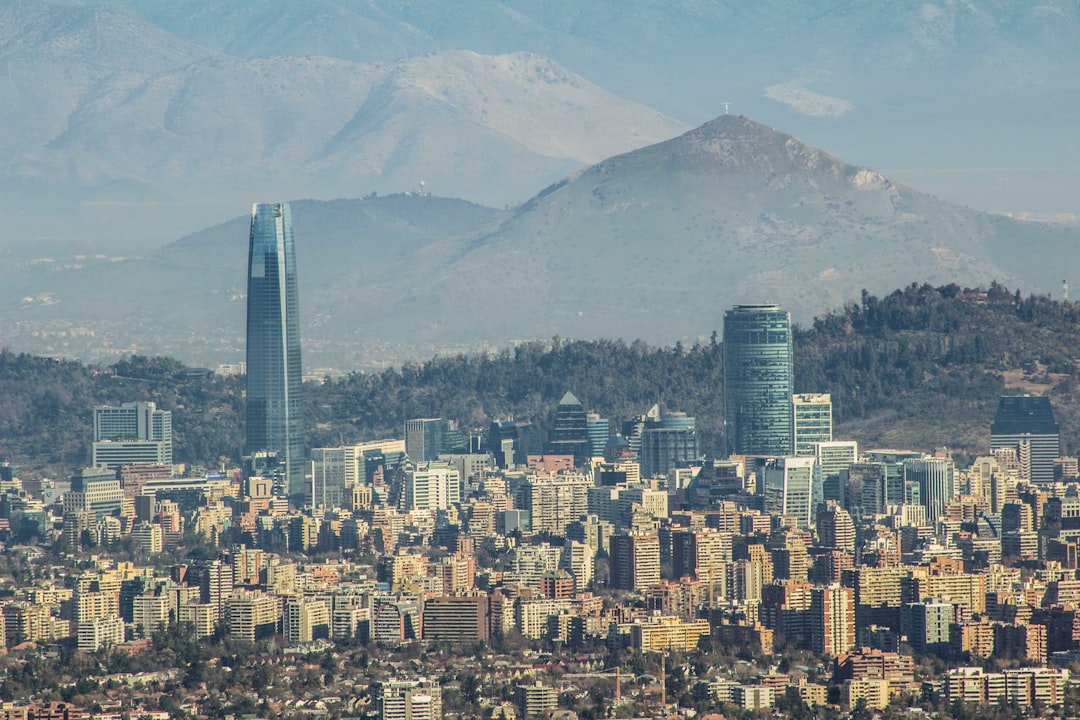
Photo: Unsplash / NASA

Singapore's government confirmed Tuesday it will accept the Workers' Party's rejection of the newly created Leader of the Opposition role, leaving the position vacant indefinitely in what observers say reveals fundamental questions about Singapore's democratic evolution.

The Prime Minister's Office said the office would "remain vacant till WP is ready to nominate someone to take on the responsibility," according to Channel NewsAsia.

The Workers' Party, Singapore's largest opposition force with 10 seats in the 104-member Parliament, has questioned whether the role carries genuine power or serves merely as political theater - a ceremonial position without the institutional backing that makes Westminster-style opposition leaders effective in Britain, Australia, or Canada.

Ten countries, 700 million people, one region - and in Singapore, the limits of importing democratic structures without addressing underlying power imbalances are becoming impossible to ignore.

The Leader of the Opposition role was introduced as part of constitutional reforms following the 2020 general election, in which opposition parties secured their largest share of votes since independence. The position would theoretically provide the opposition with institutional resources, speaking time, and a formal platform to challenge government policy.

But the Workers' Party's hesitation reveals deeper concerns about whether such reforms represent genuine power-sharing or merely cosmetic changes that preserve the ruling People's Action Party's dominance while creating the appearance of robust opposition.

"The question is whether this role has real power to shape policy or is merely ceremonial," said Eugene Tan, a political observer at the Singapore Management University. "Without guaranteed funding, research support, or meaningful committee assignments, the opposition leader becomes a symbolic figure rather than an institutional counterweight."

Singapore borrowed the Westminster parliamentary model from Britain, but adapted it in ways that concentrate power. The PAP has governed since 1959, maintaining supermajorities that allow it to amend the constitution at will. Opposition members of parliament operate with minimal staff and limited research capacity compared to their government counterparts.

The Workers' Party holds 10 seats across two constituencies - Aljunied GRC and Hougang SMC - making it by far the largest opposition bloc. But party leaders have indicated they see little value in a Leader of the Opposition title that lacks the institutional heft to match the responsibility.

In traditional Westminster systems, the opposition leader commands a shadow cabinet, receives government briefings on sensitive matters, and enjoys parliamentary privileges that allow effective scrutiny. Singapore's version appears to offer the title without the tools.

The government's decision to accept the rejection - rather than pressure the Workers' Party to nominate someone - suggests officials recognize the awkwardness of forcing an opposition party to accept a role it views as insufficient.

For Singapore's neighbors, the episode offers a case study in the challenges of democratic reform. Can Westminster institutions function when transplanted to systems with fundamentally different power distributions? Or do they become mere window dressing, allowing governments to claim democratic credentials while maintaining authoritarian efficiency?

Malaysia, Thailand, and other ASEAN members that adopted Westminster-style parliaments face similar questions as they navigate between democratic forms and concentrated power.

The vacant Leader of the Opposition office will remain empty until the Workers' Party determines the role carries sufficient authority to justify acceptance - a wait that could last until Singapore's next general election in 2025, or indefinitely if the fundamental power imbalance remains unaddressed.

In the meantime, Singapore's opposition will continue operating as it has for decades: with limited resources, minimal institutional support, and a parliamentary system that theoretically welcomes robust debate but structurally ensures government control.

Report Bias

Comments

0/250

Loading comments...

Related Articles

Back to all articles