
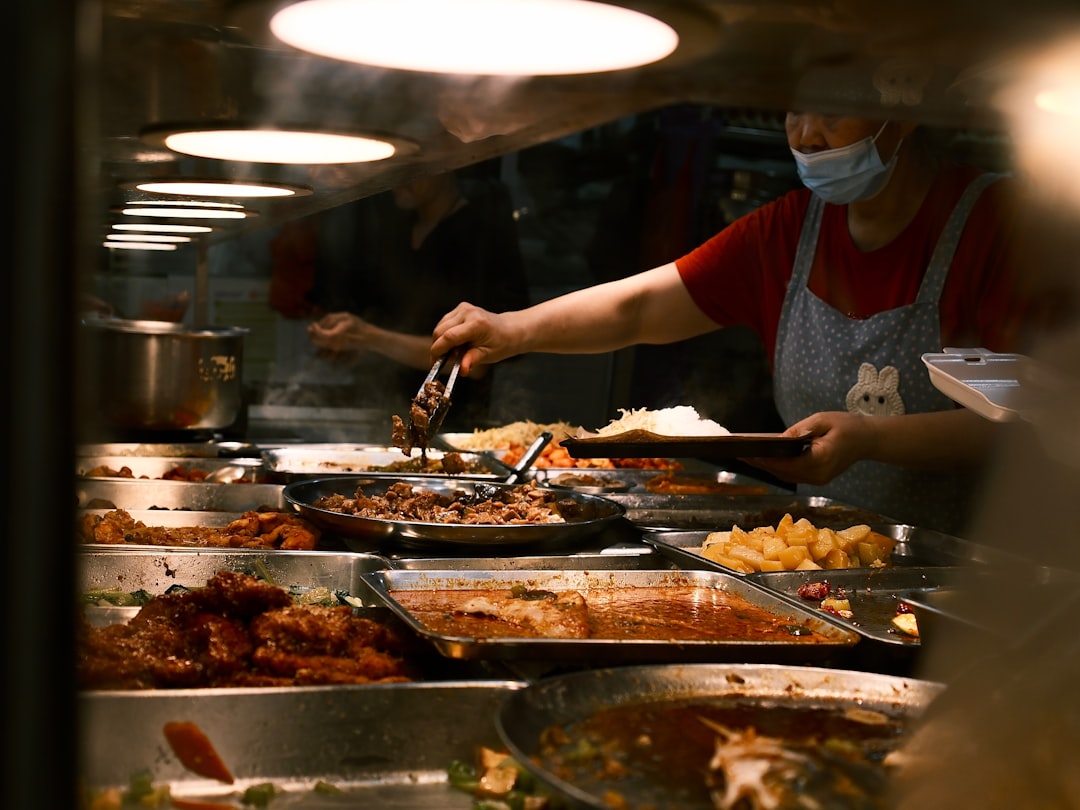
Singapore will raise the base salary for food service workers to S$2,220 (US$1,645) starting July 1, marking the latest expansion of the city-state's unique Progressive Wage Model (PWM)—a sector-by-sector approach to lifting incomes without imposing a universal minimum wage.
The increase applies to full-time food service workers, including cooks, servers, and kitchen staff across Singapore's vast F&B sector. The move affects tens of thousands of workers in a country where food culture is central to daily life and where hawker centers and restaurants employ a significant portion of the workforce.
The Progressive Wage Model, implemented sector by sector since 2012, sets mandatory wage floors tied to skills, productivity, and career ladders. Unlike a blanket minimum wage, the PWM requires employers to provide training and clear advancement pathways, linking pay increases to skills acquisition. The model has been applied to cleaning, security, landscaping, retail, and now food services.
For Singapore, which has long resisted a universal minimum wage on the grounds that it could reduce competitiveness and employment flexibility, the PWM represents a middle path. The approach allows the government to address income inequality while maintaining the city-state's business-friendly reputation.
The July increase comes as Singapore grapples with inflation and a tight labor market. Food prices have climbed steadily, and restaurants face rising costs for ingredients, rent, and utilities. The wage hike will likely translate into higher menu prices, but policymakers argue that sustainable wage growth is necessary to prevent the erosion of living standards for low- and middle-income workers.
Across ASEAN, labor policies vary widely. Indonesia, Thailand, and the Philippines have national or regional minimum wages, but enforcement is uneven, especially in informal sectors. Vietnam sets minimum wages by region, while Malaysia has recently debated raising its national floor. Singapore's PWM stands out for its emphasis on skills and career progression rather than a simple wage floor.
Ten countries, 700 million people, one region—and for , a cook at a hawker center in , the S$2,220 base wage means financial breathing room and a path to higher earnings through training. 's approach may not be replicable across ASEAN, but it offers a case study in how governments can lift wages without abandoning labor market flexibility.