
Singapore's Ministry of Foreign Affairs has successfully repatriated citizens from the Middle East via a dedicated charter flight, marking the city-state's rapid response to escalating regional tensions that threaten Southeast Asian nationals and economic interests across the volatile region.
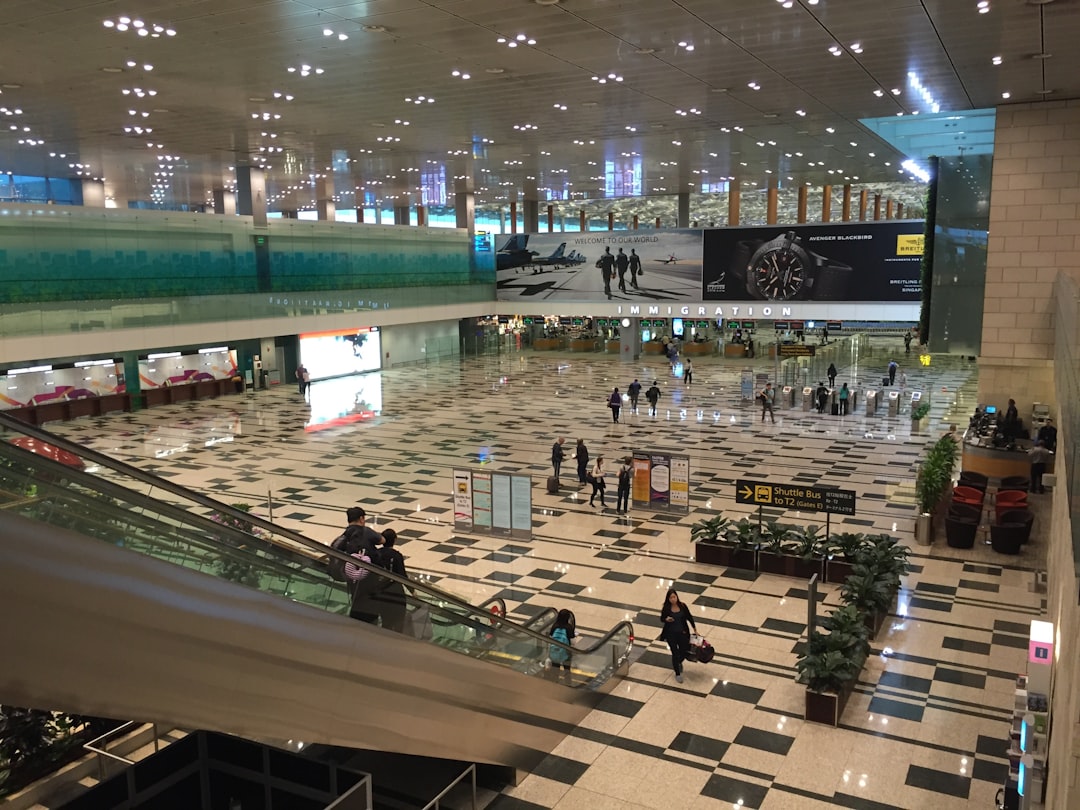
The first repatriation flight landed at Changi Airport carrying Singaporeans who had requested evacuation assistance, according to The Straits Times. The Ministry of Foreign Affairs coordinated the operation as tensions between Iran and the United States sent shockwaves through global energy markets and threatened shipping routes critical to ASEAN's trade-dependent economies.
For Singapore, the evacuation demonstrates a crisis response model honed over decades—swift diplomatic coordination, clear communication with nationals abroad, and decisive action when security deteriorates. The operation reflects lessons learned from previous regional crises, including the 2006 Lebanon evacuation and pandemic repatriations.
But the implications extend far beyond one city-state's citizens. Southeast Asia's exposure to Middle East volatility runs deep: the region imports roughly 60 percent of its oil from the Persian Gulf, hosts hundreds of thousands of migrant workers in Gulf states, and depends on shipping lanes now threatened by potential conflict. A prolonged crisis could spike fuel costs across ASEAN, pressure inflation-fighting central banks, and disrupt the maritime trade that accounts for a quarter of global shipping tonnage.
Ten countries, 700 million people, one region—and for Singapore, this evacuation is both crisis management and a reminder of how quickly distant geopolitics can reach Southeast Asian doorsteps. The Strait of Hormuz, through which 21 percent of global petroleum passes, lies 6,000 kilometers from but might as well be next door when it comes to economic impact.