
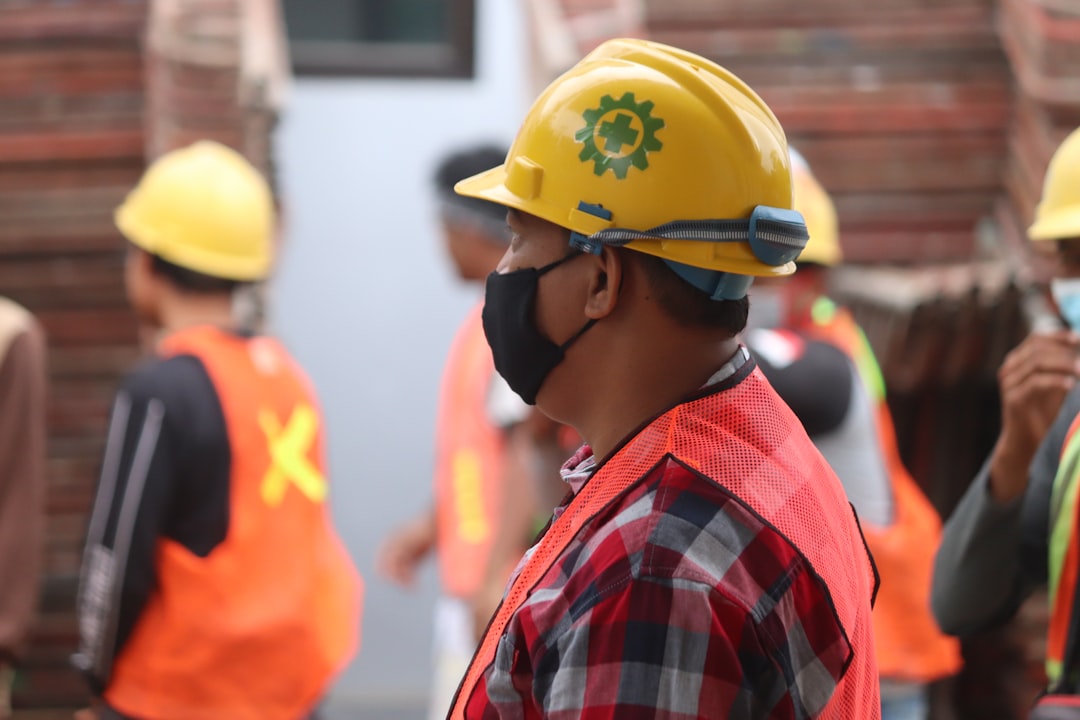
Construction workers, miners, and stonecutters have long known that breathing silica dust damages lungs. What they didn't know—and what regulators couldn't quantify—was exactly when that damage becomes irreversible.
Now they do. New research published in the Journal of Occupational Medicine and Toxicology identifies a critical "tipping point" in cumulative silica exposure, beyond which lung function begins an accelerated and potentially irreversible decline.
The finding comes from a long-term study tracking workers across multiple industries where crystalline silica exposure is common—construction, mining, foundries, and stone fabrication. Researchers measured both cumulative exposure levels over entire careers and changes in lung function over time.
What they found was not a gradual, linear decline. Instead, once workers inhaled a certain threshold of silica dust over their careers, lung function deteriorated at an accelerating pace. Below that threshold, decline remained modest and manageable. Above it, the trajectory steepened dramatically.
The mechanism isn't mysterious. Crystalline silica particles, when inhaled, trigger chronic inflammation and progressive scarring of lung tissue—a condition called silicosis. But the tipping point suggests that the body's repair mechanisms can handle a certain cumulative burden before they're overwhelmed. Cross that line, and damage compounds faster than healing can occur.
This has massive policy implications. Roughly 2.3 million workers in the United States alone are exposed to respirable crystalline silica on the job. Globally, millions more work in industries where silica exposure remains poorly regulated or unmonitored.
Current workplace safety standards focus on limiting daily exposure levels. That's important, but this research suggests cumulative lifetime exposure deserves equal attention. You can't simply average out years of heavy exposure against years of lighter exposure and call it safe—the damage accumulates.
The study points toward several urgent interventions: better tracking of individual workers' cumulative exposure throughout their careers, earlier screening to catch lung function decline before it accelerates, and stricter enforcement of exposure limits for those approaching the threshold.
"The critical message here is prevention," notes the research team.