
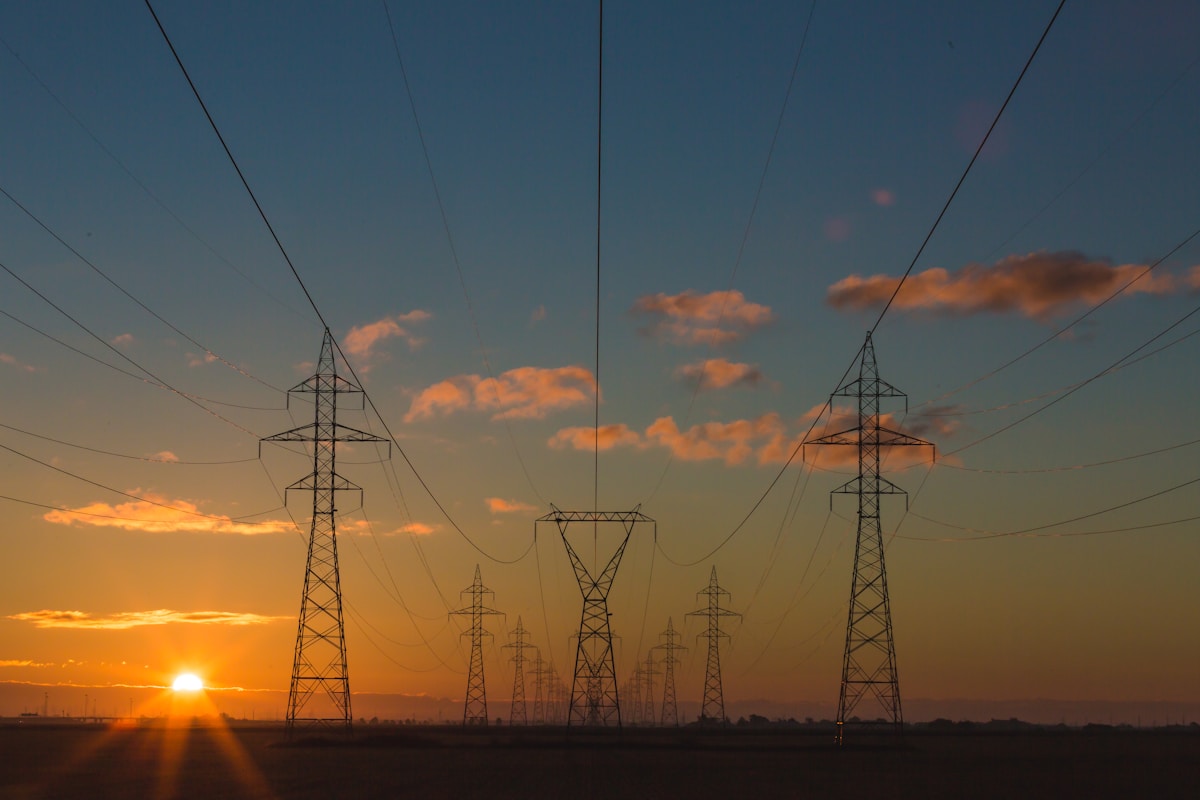
Lagos — After years of unexplained delays, Nigeria's $2.3 billion Siemens power infrastructure project has reportedly resumed, raising questions about why such a critical undertaking could vanish from public scrutiny for so long.
The German engineering giant's massive infrastructure initiative, designed to overhaul Nigeria's chronically failing electricity grid, stalled for years with minimal media attention or government updates. Nigerian power sector analysts say the silence reflects both a thin media ecosystem and a dangerous public apathy born from decades of unfulfilled promises.
"Nigeria's media ecosystem remains thin," wrote one analyst in tracking the project's re-emergence. "The fact that a project of this scale could stall for years with little sustained public scrutiny is troubling. Where was the consistent follow-up reporting?"
The Siemens deal, signed during Muhammadu Buhari's presidency, aimed to stabilize power generation and transmission across Nigeria's 200+ million population. Yet the project disappeared from headlines even as most Nigerians continued enduring daily blackouts and relying on expensive diesel generators.
Nigerian journalists who cover infrastructure say the coverage gap stems from multiple factors: limited resources for long-term investigative tracking, government opacity around project timelines, and editorial focus on immediate political drama over slow-moving technical stories.
But a deeper issue compounds the media failure. Public learned helplessness reduces accountability.
"When people assume failure is inevitable, they stop tracking project progress and stop demanding updates," the analyst noted. "That lowers the political cost of delays. Accountability weakens upstream, starting with public expectations."
This pattern—ambitious infrastructure announcement followed by years of silence—repeats across Nigerian public works. Lagos residents joke that road construction signs serve as permanent landmarks rather than temporary notices.
Nigerian power sector experts say the Siemens project, if executed properly, could genuinely transform electricity access. The German firm specializes in grid modernization and has successfully completed similar projects in other developing economies. The investment targets both generation capacity and transmission infrastructure, addressing Nigeria's dual bottleneck.
Yet Nigerians have learned to discount such promises. Decades of power sector reforms have yielded minimal results, leaving the country with roughly 4,000 megawatts of reliable generation for over 200 million people—less than a quarter of South Africa's capacity serving 60 million.
The economic costs are staggering. Nigerian businesses spend an estimated $14 billion annually on backup generators, according to the Lagos Chamber of Commerce. Manufacturing competitiveness suffers when companies must generate their own power at several times the grid cost.
In Nigeria, as across Africa's giants, challenges are real but entrepreneurial energy and cultural creativity drive progress. Nigerian tech startups have thrived despite power failures by building generator costs into their business models. But that entrepreneurial resilience shouldn't excuse infrastructure failures that would be scandalous in functional states.
The Siemens project's restart offers an accountability test. Will Nigerian media maintain consistent coverage? Will civil society organizations track implementation milestones? Will government officials face consequences if the project stalls again?
Nigerian power sector advocates say sustained public attention matters more than technical details. Large infrastructure projects need political will to succeed, and political will requires voter attention.
"Until both media pressure and citizen attention improve," the analyst concluded, "major power projects will continue to drift in and out of focus."
For now, the Siemens project is reportedly moving forward. Whether it reaches completion—and whether Nigerians notice if it doesn't—remains an open question.