
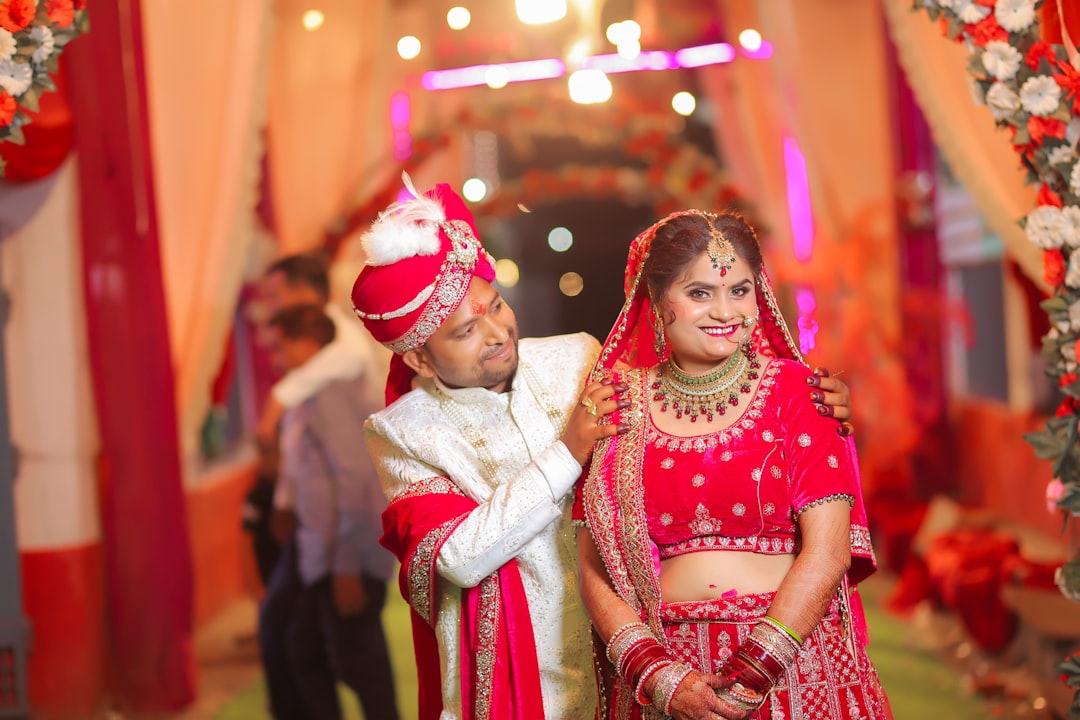
A dramatic shift in stated marriage preferences suggests India's millennials and Gen Z may be breaking from centuries of caste endogamy, though experts caution the gap between preference and practice remains wide. According to the Modern Matchmaking Report 2026 by matrimonial platform Jeevansathi, just 54% of Indians now prefer marrying within their caste—down from 91% in 2016.
The 37-percentage-point decline over a decade represents one of the most rapid shifts in social attitudes in India's recent history. If the trend translates to actual behavior, it would mark a fundamental transformation of Indian society, where caste has governed marriage for millennia.
In India, as across the subcontinent, scale and diversity make simple narratives impossible—and fascinating. The survey's findings vary sharply across regions, urban-rural divides, and age cohorts. Younger, urban, educated Indians show the strongest preference for inter-caste marriages, while traditional attitudes persist in rural areas and among older generations.
But methodology questions loom large. The survey measures stated preferences on a matrimonial website—a context where respondents may express more progressive views than they follow in practice. Sociologists note that Indian families often maintain traditional caste preferences in actual marriage negotiations, even when younger members claim openness to inter-caste matches.
Real-world data suggests the gap between preference and behavior remains substantial. While 46% now claim indifference to caste in potential partners, India's marriage market continues to show strong caste clustering. Family pressure, community expectations, and structural barriers keep inter-caste marriage rates far below the levels this survey might suggest.
The shift in stated preferences still matters. Social attitudes precede behavior change, and the Jeevansathi data indicates weakening ideological attachment to caste endogamy. India's expanding urban middle class, increased education levels, and greater workforce participation by women all contribute to erosion of traditional marriage norms.
Caste remains central to Indian politics, with parties organizing around caste blocs and reservation policies generating intense debate. Prime Minister Narendra Modi's government has navigated these dynamics carefully, balancing its political coalition's diverse caste constituencies. Social transformation in marriage patterns could reshape these political calculations over time.
Demographic context matters. India's median age is 28 years, meaning the generation most open to inter-caste marriage constitutes a growing share of the marriage market. As older generations' influence wanes, stated preferences may translate more directly into actual behavior.
Experts note that marriage platform data offers important insights but incomplete pictures. Jeevansathi users skew urban, educated, and economically mobile—precisely the demographic most likely to embrace inter-caste marriage. Rural India, where 65% of the population resides, may show different patterns.
The survey's findings, if confirmed by broader research, would represent a seismic social shift. Caste-based marriage has served as the primary mechanism maintaining India's caste system across generations. Its weakening—even if gradual—would transform Indian society's fundamental structure. Whether stated preferences become lived reality will determine if this survey marks a turning point or merely captures aspirational thinking ahead of its time.