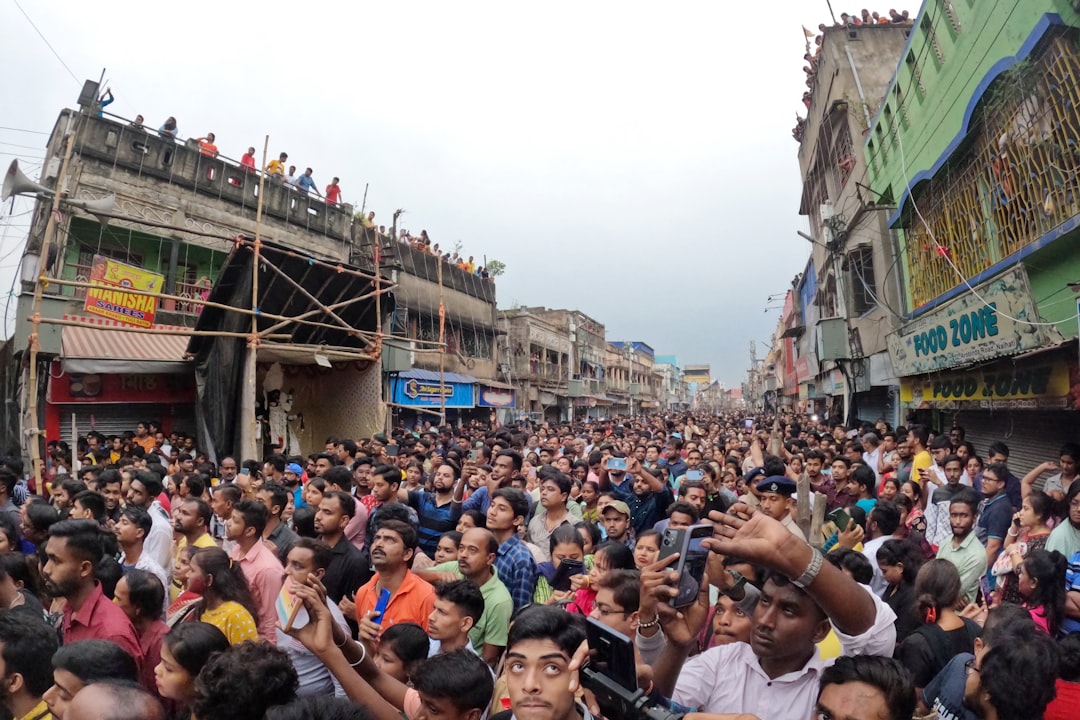

The trauma of Kenya's 2007 post-election violence, which killed over 1,200 people and displaced hundreds of thousands, continues to shape electoral anxiety nearly two decades later, with growing numbers of Kenyans expressing fear that the conditions for similar unrest are being recreated ahead of the 2027 general election.
A widely circulated analysis drawing parallels between 2007 and the present day has reignited painful memories of a national crisis that exposed deep fractures in Kenyan society and tested the country's democratic institutions to their limits.
The 2007 crisis erupted after the disputed presidential election between incumbent Mwai Kibaki and opposition leader Raila Odinga. When Kibaki was hurriedly sworn in amid allegations of vote manipulation, violence spread across the country along ethnic and political lines. The crisis ended only after international mediation led by former UN Secretary-General Kofi Annan brokered a power-sharing agreement.
Prof. Macharia Munene, a historian at the United States International University-Africa, said the persistence of 2007 anxiety reflects unresolved questions about Kenya's electoral integrity. "The institutional reforms we implemented after 2007 were supposed to make such a crisis impossible. But when citizens see patterns that feel familiar—opaque electoral processes, ethnic mobilization, institutional capture—the fear returns," he explained.
Current concerns center on several factors: allegations of voter registration suppression, particularly among youth; claims that security forces are being positioned to favor incumbents; massive unexplained public expenditures that critics say are designed to fund electoral manipulation; and a media environment that some say is being systematically captured to control narratives.
Dr. Wanjiru Gikonyo, a trauma counselor who worked with survivors of the 2007 violence, said the psychological scars remain raw. "I have clients who still cannot talk about what happened without breaking down. When they hear political rhetoric that echoes 2007, when they see signs of institutional failure, it triggers genuine terror," she said.
The fear is particularly acute in communities that bore the brunt of the violence—informal settlements in like and , towns in the where ethnic tensions exploded, and coastal areas where political and land grievances intersected with electoral disputes.