
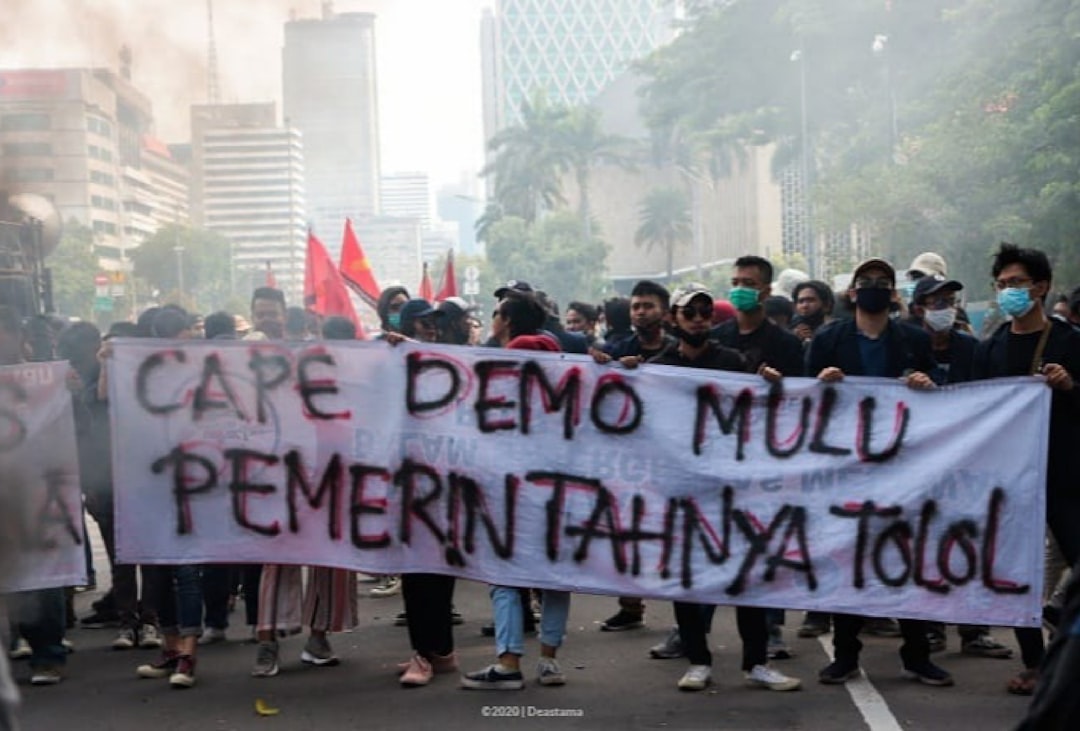
A wave of sexual harassment allegations is sweeping through Indonesian universities, with student activism forcing long-resistant institutions to confront systemic failures in protecting women on campus. The cases expose a generational conflict over accountability in the world's largest Muslim-majority democracy.
At Universitas Nahdlatul Ulama (UNU) in Blitar, a senior lecturer has been suspended following allegations from 15 female students describing a pattern of inappropriate behavior ranging from sexually explicit classroom comments to inappropriate messaging. The university, affiliated with Nahdlatul Ulama, Indonesia's largest Islamic organization, initially moved slowly before student pressure forced administrative action.
Separately, Universitas Mataram (Unram) suspended two lecturers for making sexist remarks to female students. While university officials initially characterized the comments as "jokes," student activists rejected that framing, arguing it minimized predatory behavior and perpetuated a culture where harassment is dismissed as harmless banter.
The cases reflect broader tensions in Indonesian society as younger generations demand accountability from institutions historically protected by hierarchical respect norms. University lecturers traditionally command deference that can shield misconduct, while reporting mechanisms often prove ineffective or expose complainants to retaliation.
The pattern is particularly significant in Indonesia, where Islamic universities and institutions affiliated with religious organizations play a major role in higher education. The willingness of students to publicly challenge respected lecturers at institutions like UNU represents a cultural shift, as #MeToo-style activism gains traction in Muslim-majority democracies.
Student organizers have documented institutional resistance at multiple universities, including delayed investigations, pressure on victims to withdraw complaints, and administrative attempts to resolve cases quietly rather than through formal disciplinary processes. The viral spread of allegations on social media has forced institutions to act where internal mechanisms failed.