
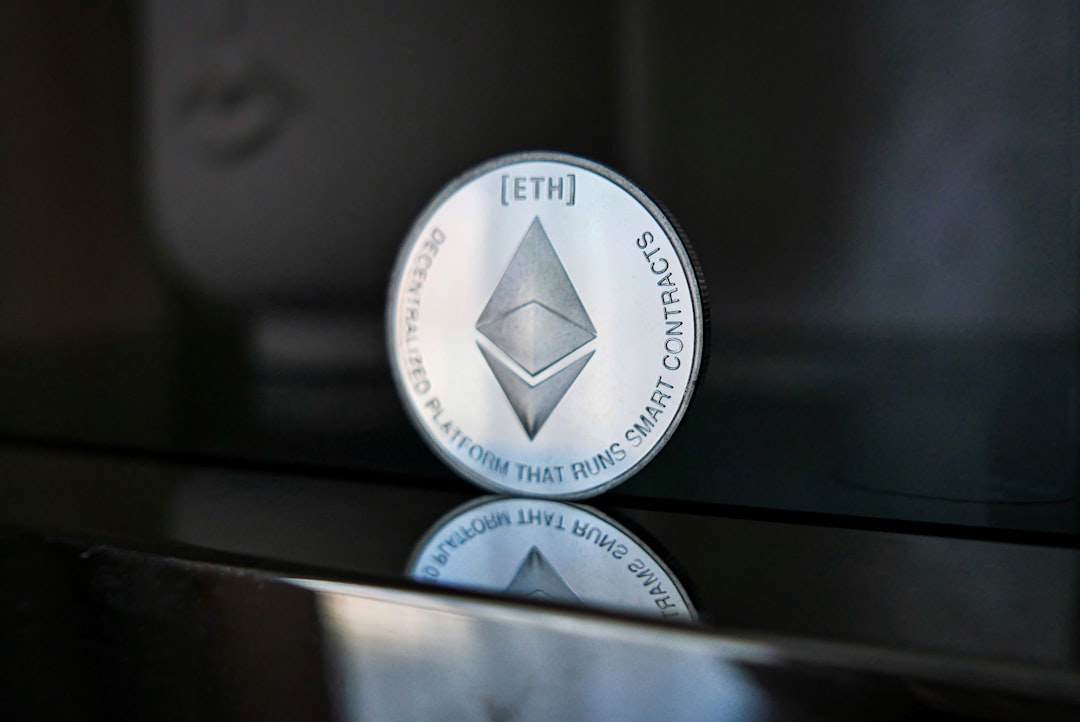
The SEC approved Nasdaq's pilot program for tokenized securities trading on Wednesday, and crypto Twitter immediately lost its mind. "Blockchain is finally going mainstream!" "This changes everything!"
Let me save you some time: it doesn't.
Here's what actually happened. Nasdaq got approval to test representing certain securities on a blockchain instead of traditional settlement systems. Same shares, same rights, same regulations—just a different backend database.
For you as an investor, literally nothing changes. You still buy and sell stocks the same way. You still get the same ownership rights. You still pay the same taxes. The only difference is invisible to you: the record of who owns what is stored on a distributed ledger instead of a centralized database.
The crypto crowd wants you to believe this is revolutionary. It's not. It's a technology upgrade to settlement infrastructure, similar to when the industry moved from paper certificates to electronic records decades ago. That was important for efficiency, but it didn't change what stocks are or how investors interact with them.
Tokenization enthusiasts will tell you this enables 24/7 trading, fractional ownership, and instant settlement. Technically true. Practically? Irrelevant for 99% of investors.
24/7 trading sounds great until you realize market liquidity outside business hours is terrible. Fractional ownership already exists through apps like Robinhood. And T+1 settlement (one business day) is already fast enough for most people.
The real question is: why is Nasdaq doing this? Two reasons. First, blockchain settlement could reduce costs and operational risk over time. That's good for Nasdaq's bottom line. Second, they don't want to get left behind if blockchain infrastructure becomes the industry standard.
Notice I said "could" and "if." This is a pilot program for a reason. The technology needs to prove it's more reliable, more secure, and more cost-effective than existing systems. That's a high bar.
The SEC's approval is also heavily caveated. This is a limited test, not a full rollout. Nasdaq will have to demonstrate that tokenized settlement doesn't introduce new risks to market integrity, investor protection, or financial stability.