
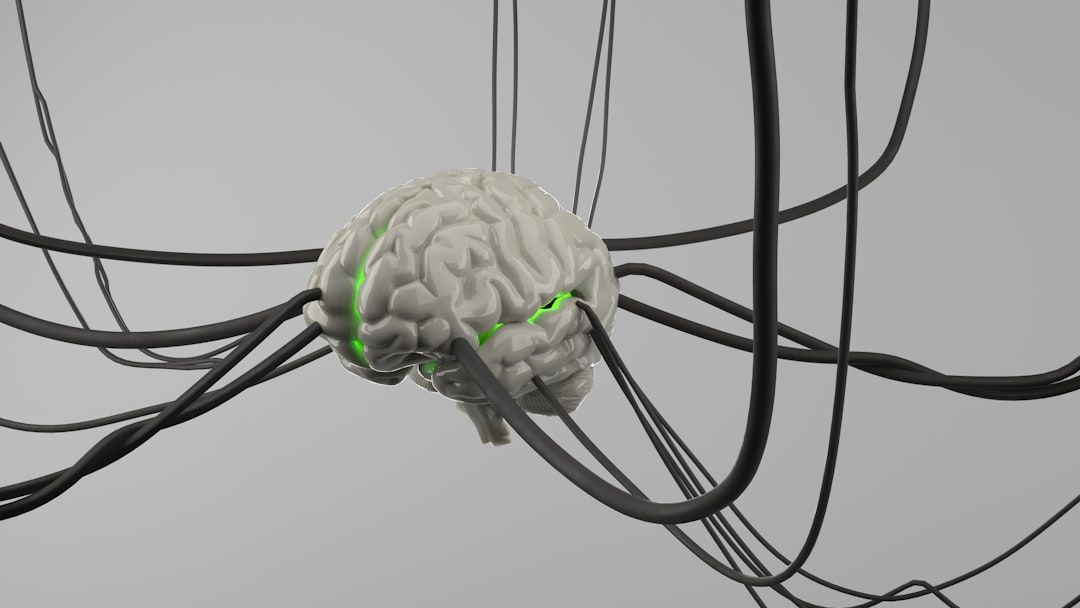
For decades, schizophrenia medications have successfully managed hallucinations and delusions but failed at treating the cognitive symptoms that often devastate patients' lives. Now researchers at Northwestern University have identified both a biomarker and a potential treatment for this neglected aspect of the disorder.
The cognitive symptoms—disorganized thinking, impaired memory, difficulty processing information—are often more debilitating than the psychotic episodes. They're why many patients with schizophrenia struggle to hold jobs, maintain housing, or function independently. Yet we've had no targeted treatments.
The new research identifies a previously unknown form of the brain protein Cacna2d1 that circulates freely in cerebrospinal fluid. People with schizophrenia have reduced levels of this protein, which correlates with overactive brain circuits—the biological signature of cognitive dysfunction.
Here's where it gets interesting: the team created a synthetic version called SEAD1 and tested it in mouse models of the disorder. A single injection into the animals' brains corrected both the abnormal brain circuit activity and the behavioral problems linked to cognitive symptoms.
Now, mouse models aren't humans. The neurobiology is simpler, the circuit dysfunction is an approximation, and what works in rodents often fails in clinical trials. But the mechanism is compelling.
What makes this particularly significant is the cerebrospinal fluid work. CSF biomarkers are harder to access than blood tests—they require spinal taps—but they're far more informative about brain chemistry. The fact that they found a measurable, quantifiable protein difference is a big deal. It means we could potentially identify which patients would respond to SEAD1 treatment before starting therapy.
The research team is now working to develop a blood-based biomarker. If they succeed, it would enable routine screening and could lead to a weekly injection therapy, similar to current treatments for other conditions.
The bigger picture here is that schizophrenia is not one disease. It's a syndrome—a collection of symptoms that can arise from different underlying mechanisms. Some patients might have reduced Cacna2d1; others might have different circuit dysfunctions entirely. Precision medicine for schizophrenia means identifying these subtypes and matching them to targeted therapies.